A quick note from Giga: We build modular turnkey AI data centers, scalable to your compute, cooling, and density needs. We don't currently offer retail colocation or rack space for rent. This guide is here to explain how colocation works so you can decide what fits your deployment. For information on new data center builds, contact our sales team.
Access to GPUs is no longer the constraint for neoclouds and hyperscalers. Power availability, cooling capacity, and speed to deploy have become the biggest hurdles, making colocation a strategic decision for operators looking to deploy GPUs fast.
Colocation is one of the most common answers for operators in this situation, but that doesn’t mean it’s well understood. Most explanations either oversimplify what ‘colocation’ actually means or bury the parts that actually matter to a buyer.
This guide covers what a colocation data center is, how it works, the main types of facilities, the benefits and trade-offs, and how colocation stacks up against building or owning your own data center site.
What is a colocation data center?
In short, a colocation data center is a data center facility where you can rent physical space to house hardware you own and control. Depending on the colocation partner, you may be able to rent a rack, part of a rack, a full suite, or anything in between. Under this setup, the provider handles the power, cooling, and physical security, and you handle the compute power running inside of it.
When you use a colocation data center, you own and manage the servers and networking, and the facility houses and powers them.
Most neoclouds and hyperscalers don’t stop at a single colocation facility. Instead, it’s common to spread equipment across several colocation sites, either for proximity to end users or redundancy (or both).
How a colocation data center works
What does it look like to partner with a data center provider for colocation services? Once you sign on, you’ll ship or install your servers and networking gear in your leased space. From there, the facility handles the infrastructure. Unless you’re renting the entire facility, you’ll share power, cooling, and physical security with other tenants in the building. However, your rack, cage, or suite is dedicated to you alone.
Connectivity is a big part of why enterprises decide to colocate. The right facility gives you access to multiple internet service providers through carrier-neutral cross-connects, so you're not locked into a single network path. That kind of redundancy is difficult to build on your own, and it can be a deciding factor when choosing between colocation and running an on-premises data hall.
One important consideration many explainer posts skip involves regular maintenance. Who does what once your gear is installed and running?
The facility keeps the building running, handling power, cooling, security, and access control. Your team will handle the equipment itself, including patching, reboots, swaps, or troubleshooting, unless you’ve arranged remote hands through your colocation facility to cover it.
Be sure the division of labor is clear before signing any colocation deal, so you know who is responsible for what before something breaks.

Types of colocation: retail, wholesale, and hybrid
Colocation deals fall into three categories: retail, wholesale, and hybrid. None of these options is better than the others. The right type for your use case depends on the power and space you need.
Benefits and trade-offs of colocation
Colocation comes with benefits as well as trade-offs. In this section, we’ll explore the pros and cons of colocation.
Pros of colocation
- Reliability: If you leverage multiple colocation data centers, redundancy keeps your equipment running through outages and hardware failures that would take down a single-site setup.
- Risk: With colocation, the operator assumes the risk for your critical IT. If a power outage or connectivity failure hits, you have a built-in fallback instead of having to recover on your own.
- Security: Facilities combine physical security like badge access and cameras with network-level protections most in-house server rooms don't have.
- Scalability: When you work with a colocation partner, if you need more rack space or power next quarter, you can usually expand within the same facility instead of building out new capacity yourself.
- Connectivity: Access to multiple carriers and carrier-neutral cross-connects gives you network redundancy that's expensive to build on your own.
- Less to manage: The facility handles maintenance, utilities, and building operations, so your team can stay focused on your workloads.
Read more: SemiAnalysis mapped three models for data center builds; there's a fourth
Cons of colocation
- Limited visibility: You don't run the building, so your access to real-time facility monitoring and security controls is only as good as what the provider gives you.
- Multi-site complexity: Spreading equipment across facilities is great for redundancy, but coordinating network design, latency, and consistent standards across sites can be a challenge.
- Lease commitments: Colocation contracts often run multiple years. Scaling down or exiting early isn't always simple or cheap.
- Less control over the roadmap: Facility upgrades, policy changes, and pricing decisions belong to the provider, not you, giving you less control than you’d have if you owned and operated your own site.
Colocation can be a smart move for some use cases, but it’s important to consider all the pros, cons, and alternatives before signing a multi-year lease with a colocation data center.
Wholesale colocation is on the rise
Wholesale colocation means leasing a large, dedicated footprint rather than sharing a cage with other tenants. It's built for buyers who need more space and power than a shared setup can handle, and right now, it's where most colocation growth is happening.
Large-scale colocation deals are eating up capacity faster than it can be built. In the tightest markets, vacancy has nearly disappeared, and much of what's still under construction is already spoken for before it's finished.
Hyperscalers and other large-scale operators are driving that shift, locking in capacity early and in bulk, partnering with turnkey developers to build sites for wholesale colocation rather than waiting for capacity to come online.
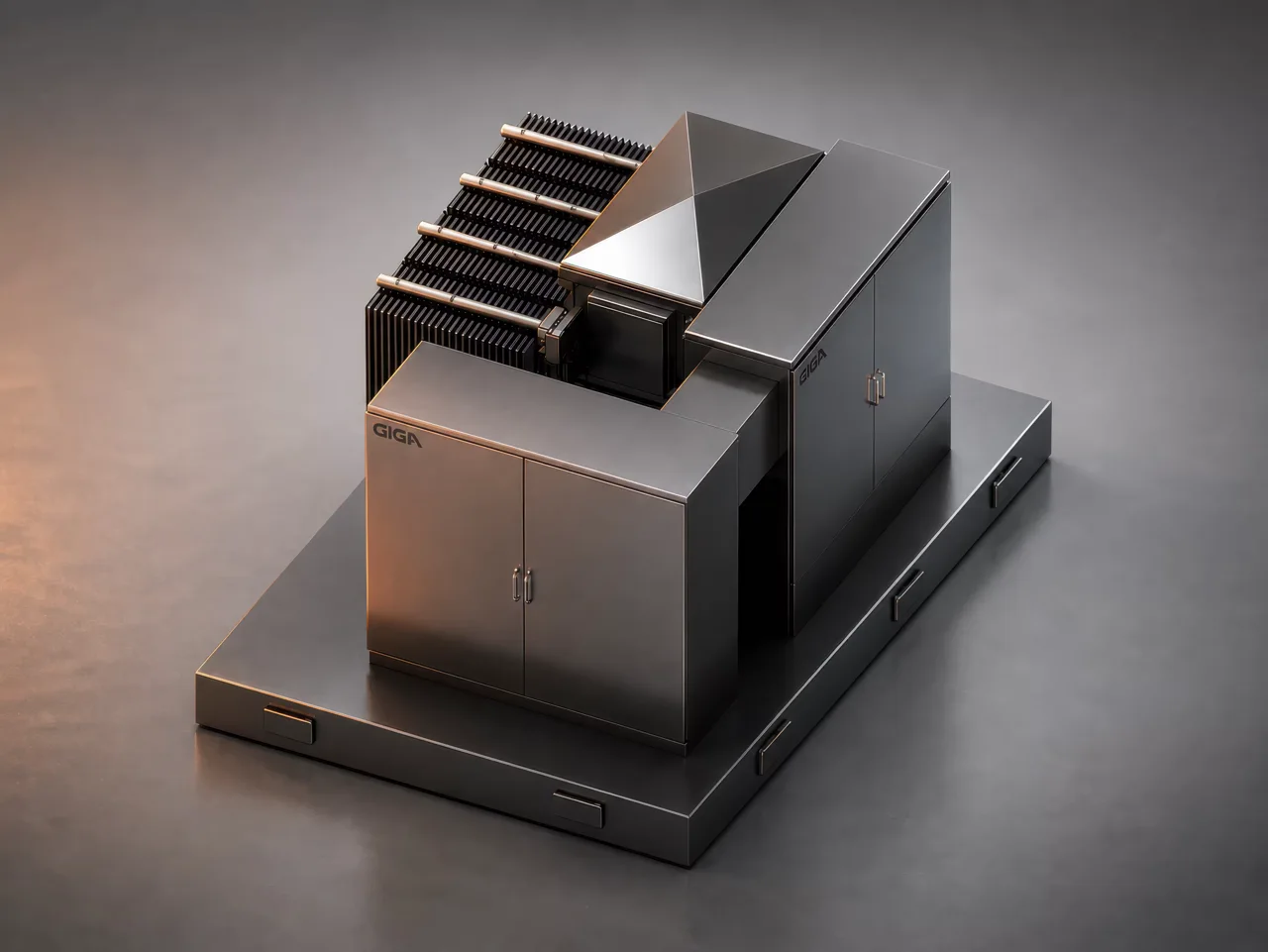
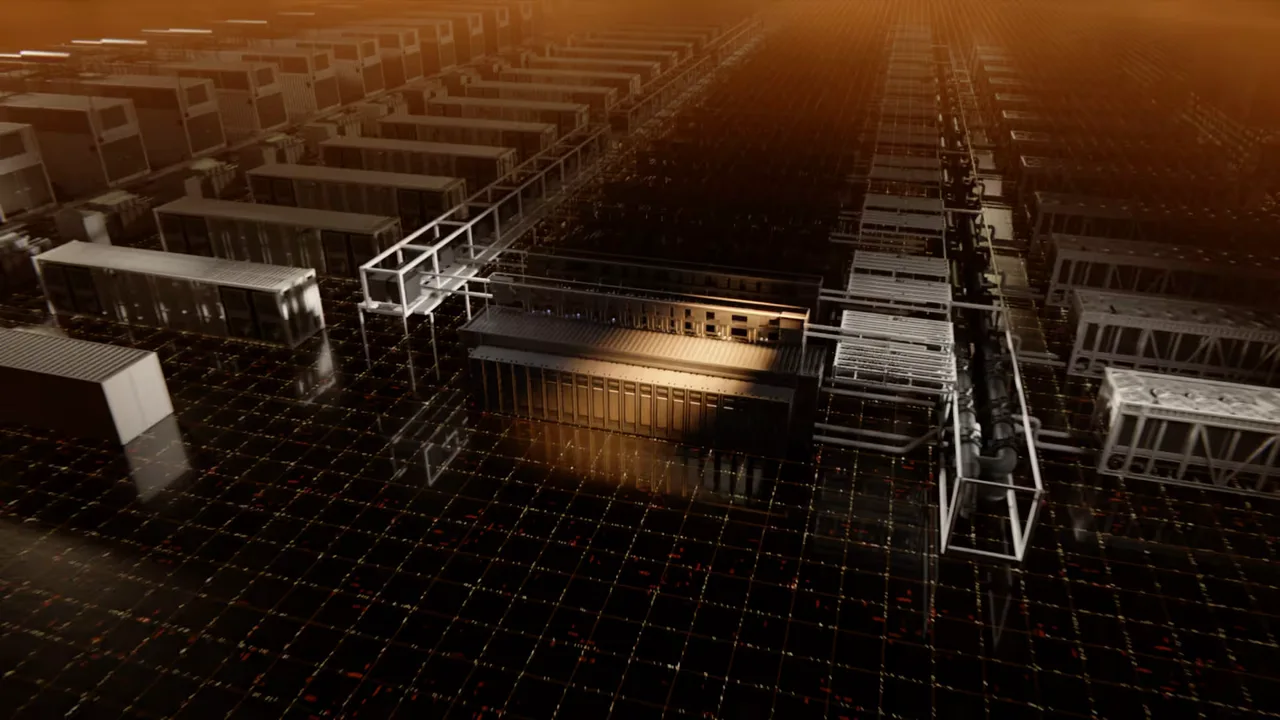
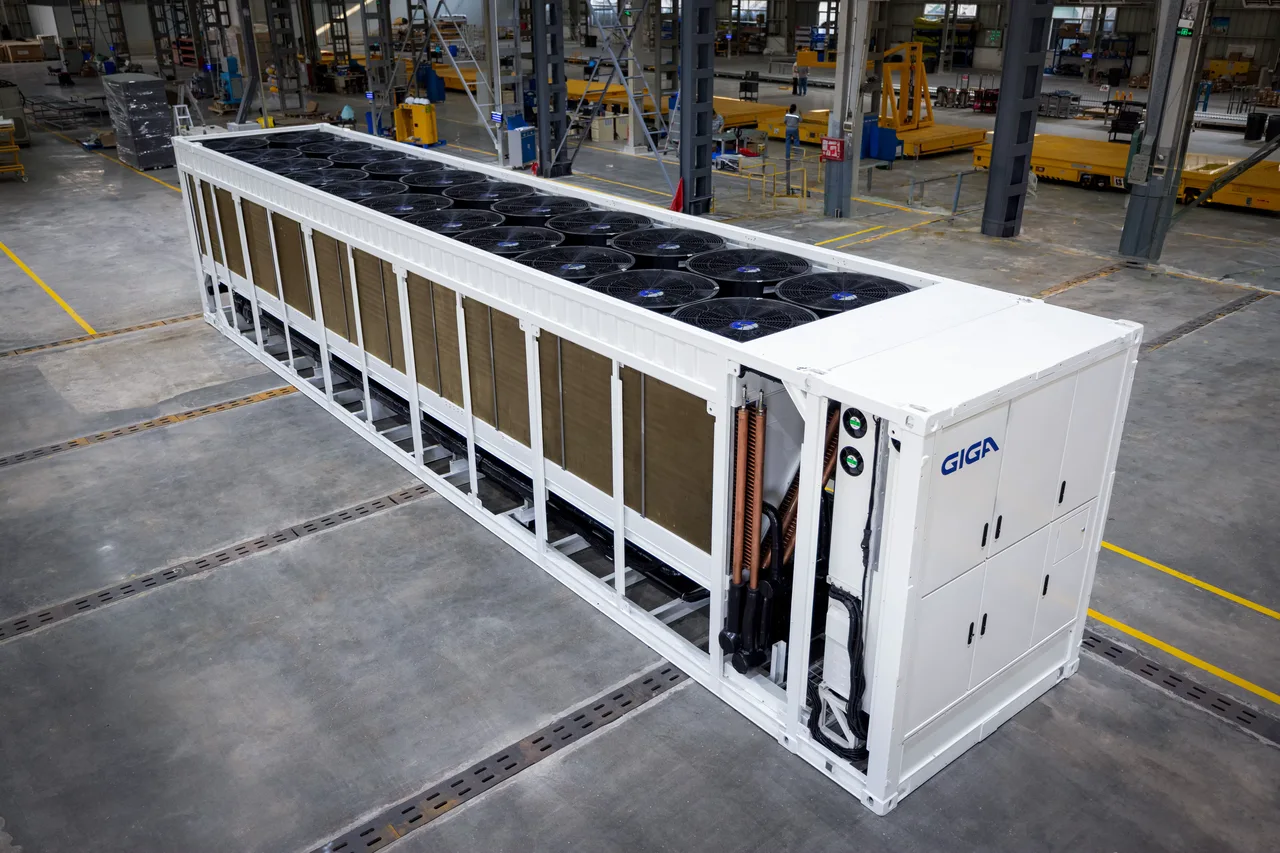
That's exactly what Giga is building with our GigaBase solution. We offer turnkey developments made for wholesale colocation. Get in touch with our team to see how fast your site could be ready.
Read more: What is a prefabricated data center? How Giga speeds up time to power
Colocation data centers: choosing the right fit
The question of whether to choose colocation or a turnkey data center
How you approach your capacity needs comes down to commitment rather than size. Providers price in risk. A tenant who might leave next quarter costs more to serve than one locked in for years, so smaller, flexible deployments pay a premium for that freedom.
If you commit to a large footprint for the long haul, your price per megawatt drops significantly, because you’re a lower-risk customer. Own the site outright through a turnkey build, and you get those same economies of scale without paying rent at all, at the cost of more capital upfront and a longer runway to get there.
If you’re still working through how much you're ready to commit, and whether you want to own the site or lease it, get in touch with our team to talk through your compute, cooling, and density needs. We'll help you find the right path forward.