Traditionally, data centers designed their cooling infrastructure to support rack densities between 5 and 15 kW. At that time, 15 kW was considered high density, and that was the standard for decades.
NVIDIA's current GB300 generation draws 165 kW per rack. The next generation is projected at 400–600 kW. The infrastructure assumptions that shaped most data centers were obsolete before the buildings were finished. Specialized AI data center cooling equipment is the key to closing that gap.
In this guide, we will discuss every element of your AI data center cooling stack. We’ll cover options, pitfalls, and tips for AI data center builds. If you're specifying infrastructure for a high-density GPU deployment, this is the exact buying guide you need.
AI data center cooling and density tiers
The cooling equipment you’ll need for your data center depends on how much power your racks are drawing:
- Under 20 kW/rack: Optimized air cooling, such as traditional CRAC/CRAH units, and hot-aisle/cold-aisle containment are sufficient.
- 20–50 kW/rack: Rear door heat exchangers (RDHx) or supplemental liquid cooling can extend your air-cooled infrastructure, but this range is approaching the ceiling for air-cooled units.
- 50 kW/rack and above: Direct-to-chip (DTC) is the only reliable architecture at this density.
That last tier is where most AI deployments live today, so if you’re designing infrastructure now, you need to plan for liquid cooling unless you want to deal with an expensive retrofit later on.
Depending on how efficiently a facility is designed, cooling accounts for 7–30% of total electricity use. The decisions you make about cooling equipment will directly impact your PUE, operating cost, and long-term site economics.
The rest of this guide walks through the specific equipment in each part of the cooling stack. We’ll discuss what each component does, where it fits, and where operators run into trouble.
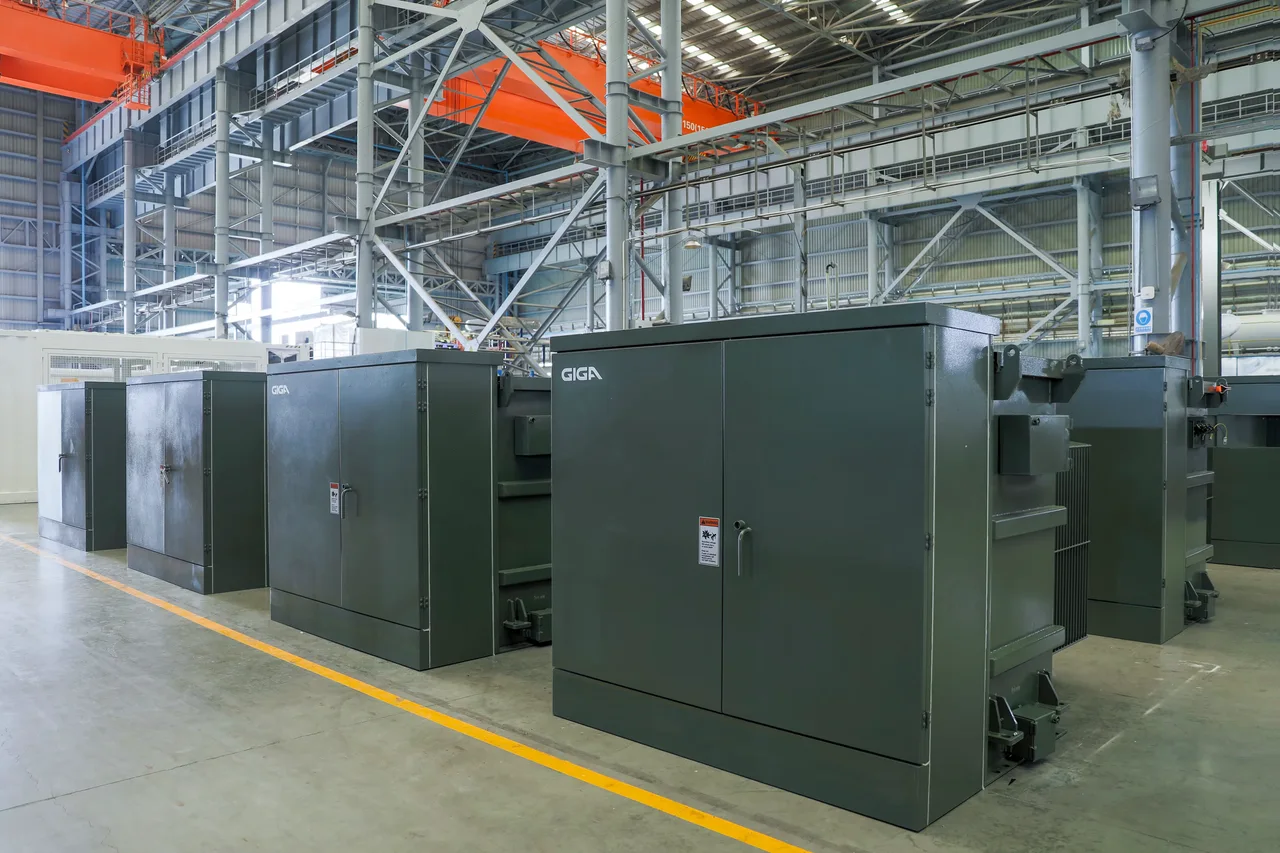
Read more: Understanding transformer cooling methods
CDU failure and its impact on AI deployments
The cooling distribution unit (CDU) is the piece of equipment most operators understand least. At its most basic concept, a CDU is a packaged liquid-to-liquid heat exchanger. It provides a physical separation between the facility water system (FWS) and the technology cooling system (TCS). The CDU acts as the heat exchanger, taking heat from the racks via the TCS and rejecting it to the FWS for release to the atmosphere.
The part that matters in practice is the distinction between those two loops. The water quality within the FWS tends to be less stringent and is more likely to be exposed to dirt, debris, and biological growth.
The TCS supplies water directly to the server's cold plates. These plates contain micro-channels, each thinner than a human hair, meaning that keeping the TCS clear of any debris and microbial growth is critical. Water quality within the TCS is typically maintained using a 25% Propylene Glycol (PG) blend with corrosion inhibitors and filtered through fine-mesh filters.
Giga's prefabricated data center system ships with the thermal cooling loop and CDUs already integrated. Field installation is minimal by design, which is how we eliminate the quality issues that typically show up when liquid cooling gets assembled on-site.
The role of fan walls in liquid-cooled environments
Using a liquid cooling approach doesn’t mean you don’t need to think about air management at all.
In a liquid-cooled data hall, most of the heat load (around 80%) is handled by CDUs, which cool high-intensity components such as GPUs. But servers aren't entirely liquid-cooled. Components like power supply units and memory modules still rely on air, and that's what fan walls are designed for. They handle the remaining portion of each rack's heat rejection, making them a necessary part of any complete cooling strategy.
A lot of content in this space frames the cooling decision as liquid versus air, but if your cooling infrastructure doesn’t include appropriately sized fan systems, it’s not a complete cooling solution. Even in a liquid-first design, you need to follow hot-aisle and cold-aisle containment principles.
Instead of choosing liquid or air, you need a deliberate hybrid system that is engineered from the start to manage heat at both the liquid and air sides of your racks.
What is RDHx, and does it work for AI workloads?
A rear door heat exchanger (RDHx) is a water-cooled door that mounts to the back of a standard rack and captures heat at the exhaust point before it enters the room. This unit intercepts hot air as it exits the server, cools it via a heat exchanger embedded in the door, and returns the cooler air to the data hall.
RDHx units come in two configurations: active and passive.
- Active units have built-in fans that move air across the coil independently.
- Passive units rely on the server's own fans to do that work, which means the server fans have to work harder.
The additional load associated with a passive setup can reduce overall server capacity, so if you’re speccing for a high-density GPU deployment, be sure to consider that tradeoff.
RDx works well in applications where racks are drawing up to 50 kW. You can use it as a retrofit add-on to capture heat more efficiently without redesigning your whole floor. However, RDHx has a ceiling, and AI workloads blow way past it.
At 100+ kW per rack, RDHx cannot remove heat fast enough to keep up. It wasn't designed for that density. In short, if your workload is at 50 kW per rack or above, RDHx isn't the right architecture.
Immersion cooling and its specific use-cases
In an immersion cooling system, servers are submerged in dielectric fluid instead of relying on air cooling. There are two variants of immersion cooling:
- Single-phase immersion: The fluid remains in liquid form throughout the cooling process.
- Two-phase immersion: The fluid vaporizes as it absorbs heat, then condenses back into a liquid.
Both single- and two-phase immersion cooling offer strong thermal performance for higher, AI-level rack densities. However, this setup has a few trade-offs, mostly related to sourcing.
The vendor ecosystem for hyperscale immersion deployments is still maturing, which means component sourcing is fragmented, support coverage is thin, and there is a lot of supply chain risk for any operator trying to deploy at scale.
If you want to implement immersion cooling and deploy your AI data center site quickly and efficiently, you need a fully vertically integrated partner like Giga. We own our entire supply chain, managing everything from powered land to infrastructure manufacturing to support and energization.
Get in touch with our team to learn more.
The integrated cooling system approach
An important but often overlooked part of your AI data center cooling stack is how your equipment works together and integrates with the rest of your data center build.
A complete cooling stack for a high-density deployment has several elements:
- CDUs
- Fan walls
- Busway power
- Liquid distribution
- Mechanical and electrical interconnects
If you’re building using the traditional supply chain, each of these puzzle pieces has its own lead time and vendor, making coordination, timing, and integration challenging. This structure also complicates troubleshooting, as no single vendor owns the outcome if something goes wrong.
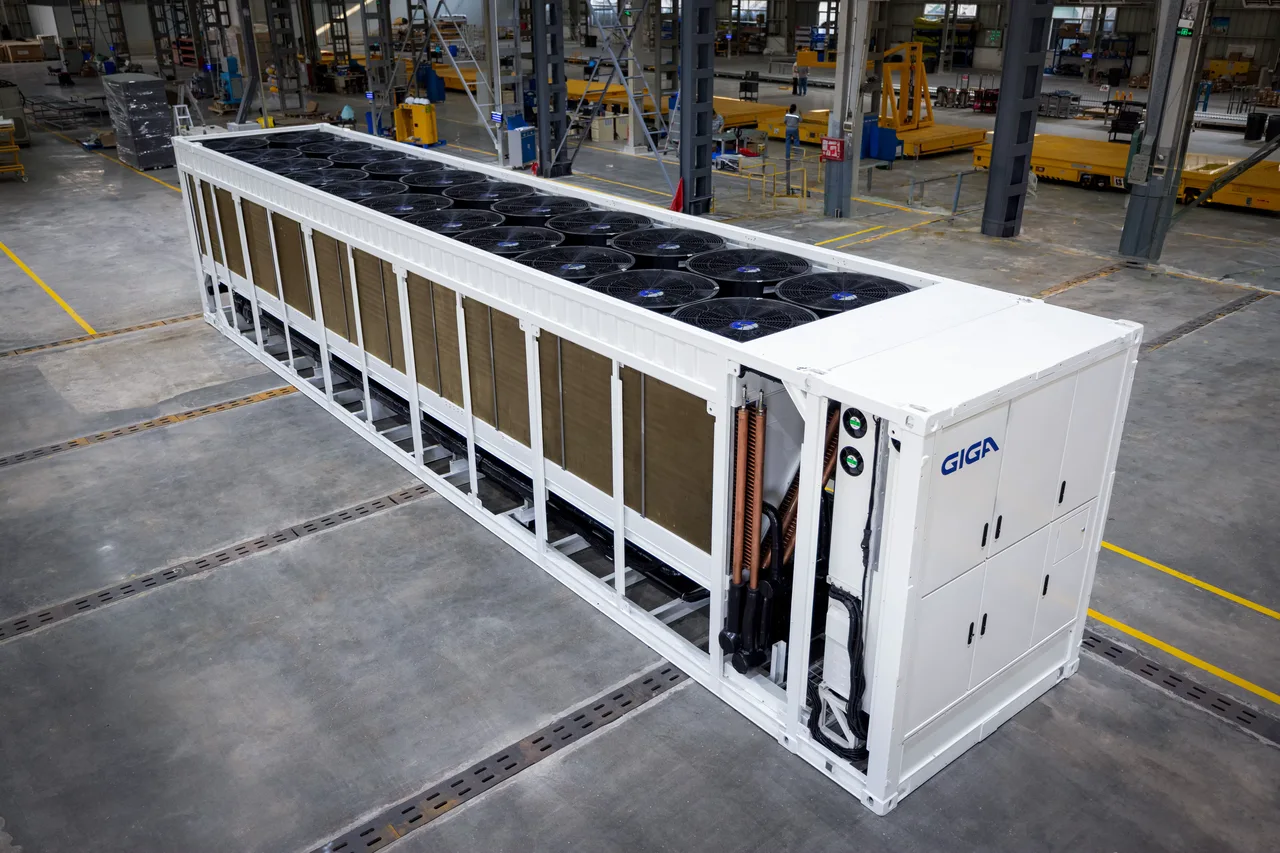
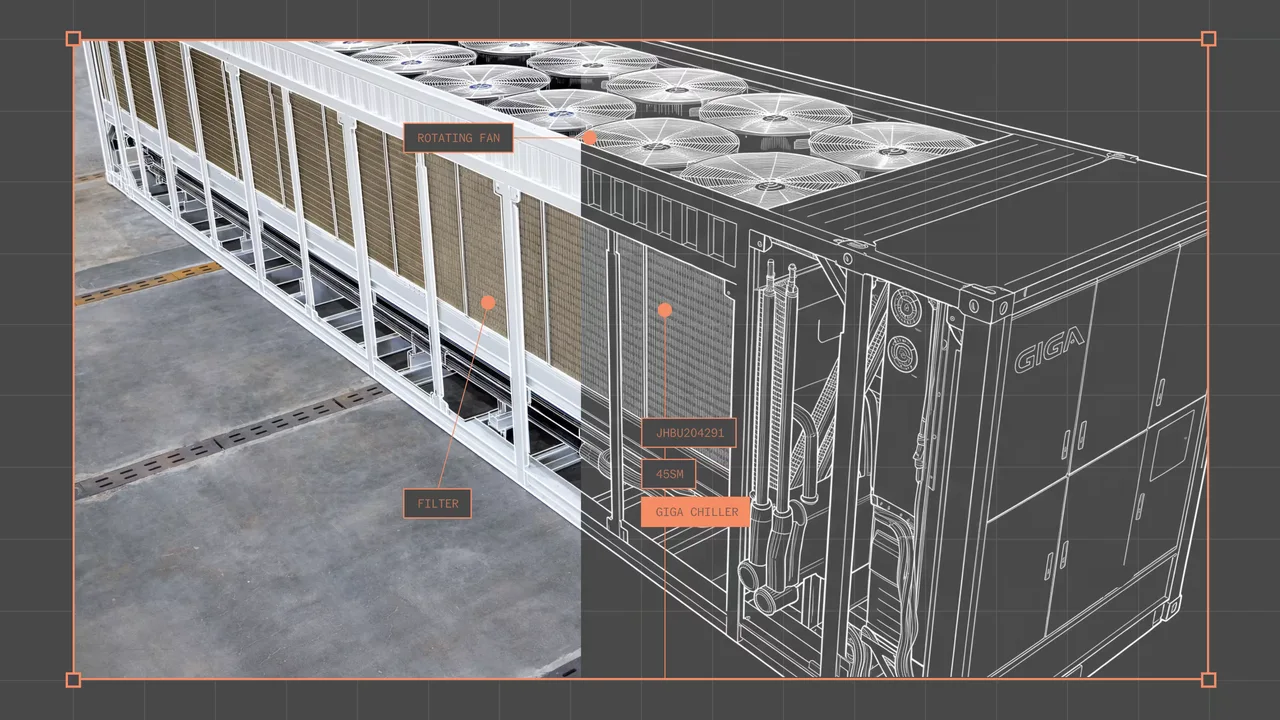
Giga designs and manufactures the compute modules, chillers, and power infrastructure together. We test integration at our factories before anything ships, and we control lead times because we own our entire supply chain. And, if you need a change mid-project or if something comes up, you have one accountable partner instead of a chain of disconnected vendors.
Get in touch today to explore Giga’s spec-to-site solution.
Specifying the right AI data center cooling system starts with the right partner
Two things determine whether a high-density GPU deployment succeeds: the architecture you choose, and who builds it.
The operators who avoid delays and get their AI data center cooling system right from the start take a few key steps. They specify their equipment with future density in mind, plan ahead for long-lead items, and work with a partner who owns the full stack instead of piecing together half a dozen vendors.
Giga builds the complete cooling and power infrastructure for AI data center deployments. We manufacture and provide CDUs, fan walls, chiller modules, and our pre-engineered GigaPod structure, pre-integrated and factory-tested before anything ships to your site. If you're evaluating infrastructure for a GPU deployment and want to talk through the right cooling architecture for your project, get in touch with our sites team.
.png?w=1280)