
This week, SemiAnalysis released a report on how AI data centers are getting built, and it’s worth a read.
Just about everyone currently building AI capacity says they’re “modular,” but many builders are stretching that word so far that it barely means anything. The SemiAnalysis report breaks down modular data center construction by centering it around a few common models.
The report lands on three models: operator-led, EPC-led, and OEM-led. The map is useful, but it has a gap. Each of those three models carries a ceiling on speed or cost. But there is a fourth model this report doesn’t account for.
I run that fourth model, so I'll show you how it works.
The ownership models reshaping modular data center construction
Modular builds are the new standard in data center construction. The industry is tracking more than 60GW of modular capacity across over 1,000 sites, and by 2028 it'll be north of 30% of all live capacity. When I started building data centers, pulling work off the jobsite was the exception, but now it's the default, and for a simple reason: labor.
You can't hire your way out of an electrician shortage, and the answer the industry has landed on is modular, pre-fabricated builds. When the majority of a data center is constructed inside a factory and shipped finished and ready to connect, you no longer need 400 electricians on your job site to get the job done.
As I mentioned at the top, SemiAnalysis divides the modular approach into three models, sorted by who owns the build. Operator-led, where the owner specs and procures the gear, then hands it to someone to assemble. EPC-led, where an integrator sources third-party equipment and builds it into skids, and OEM-led, where a vendor sells you its own integrated stack to implement yourself.
All three of these approaches move faster than a traditional stick build, but each model comes with a cost baked in. This cost isn’t a flaw in how any one company runs it, but a ceiling in the model itself.
Operator-led
What it is: The owner specs and procures the equipment directly, then hands it off to be assembled. Most of these builds are coming from the biggest hyperscalers, because this model demands a deep in-house engineering and procurement team.
The advantage: This approach is the fastest of the three. Buying gear direct skips a layer of markup and cuts out a middleman.
The ceiling: Procurement is where their integration stops. An operator-led build means you are still competing for the same scarce transformers and switchgear as everyone else, carrying the inventory and lead-time risk.
Read more: Transformer lead times: What to expect and how to get faster delivery
EPC-led
What it is: An integrator takes third-party equipment and turns it into finished skids and modules.
The advantage: The chief advantage of an EPC-led approach is control. The operator keeps its own design, stays vendor-agnostic, and works with a factory instead of a jobsite for the build itself.
The ceiling: The downside of this approach is a dual margin. A stick build marks up installed gear once, but going modular through an EPC adds a module-vendor margin on top of the integrator's. It only compresses when the OEM also does the integrating, which most don't.
OEM-led
What it is: The vendor sells you its own integrated stack, packaging the whole thing instead of shipping one piece of equipment.
The advantage: Working with one vendor and one integrated product instead of sourcing third-party gear and coordinating a separate integrator.
The ceiling: The issue with an OEM-led modular build is capacity. An OEM-led build moves only as fast as one company's factory, and many of them are getting selective, setting capacity minimums and favoring bigger projects, which locks smaller operators out of the OEM path.
The fourth model: Operator-manufacturer
Each of these three models works if you want to build a modular data center, but, as different as these approaches are, they all share one thing in common. Handoffs.
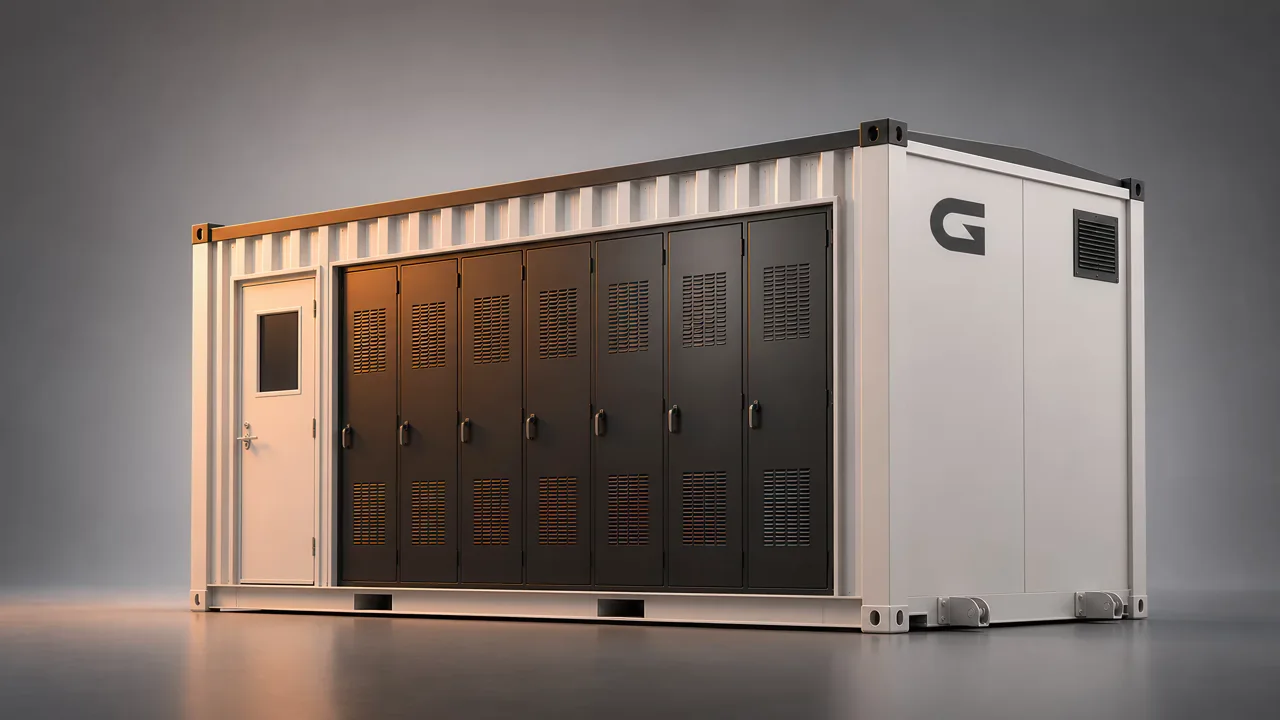
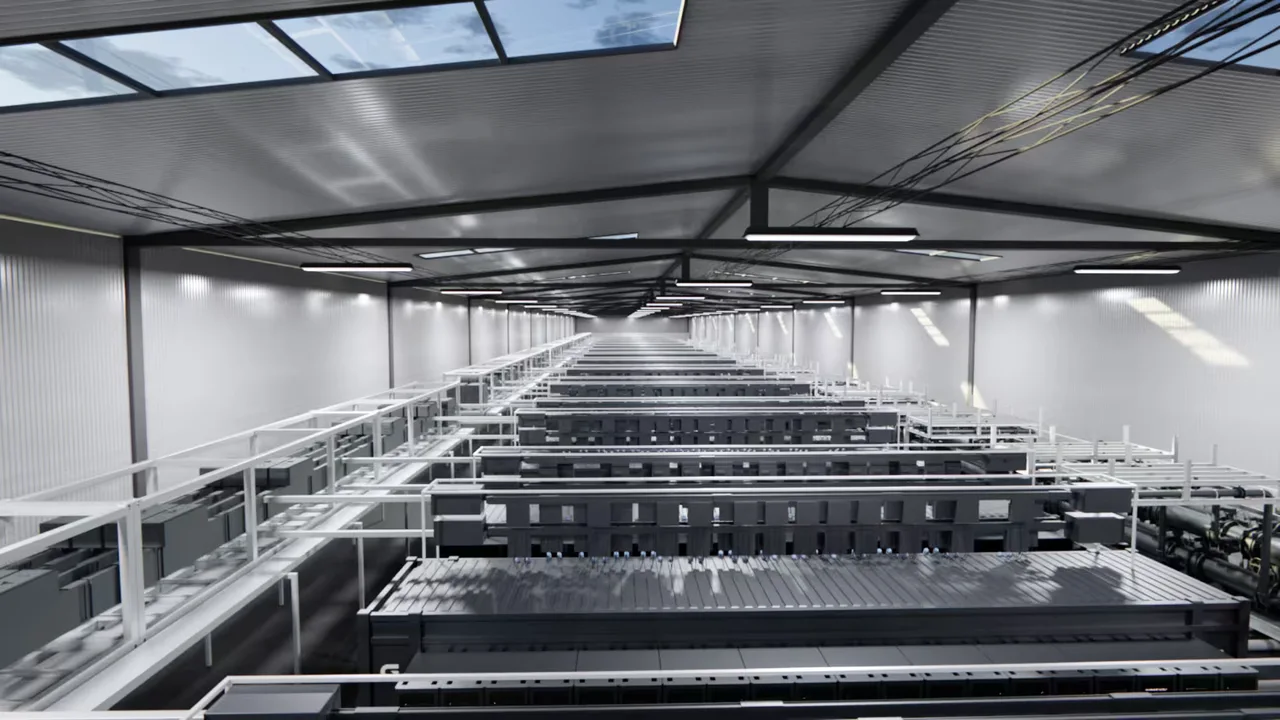
In any project, handoffs are the part of the process where time, details, and money can get lost. So, when I came to build at Giga, we took the handoffs out. OurGigaBase is a full data center system, complete with compute modules, power, cooling, UPS, generators, and the connections that tie them together, all built under one roof.
With our operator-manufacturer approach, one company manufactures everything the site runs on. We manufacture the compute modules as well as the power, cooling, UPS, and generator modules, right down to the switchboards and transformers inside them. The same company also sources and develops the land, integrates on its own sites, and operates them.
Running it this way clears all three ceilings at the same time:
- We manufacture the power, cooling, and compute systems ourselves, so we're not competing for long-lead items like transformers and switchboards on the open market.
- One company does the manufacturing and the integration, so we remove the dual markup problem.
- We're not waiting on another company's factory slot or their 12-month queue.
In the other three models, the work runs in a line. Spec it, buy it, ship it, assemble it, commission it. Each step sits at a different company and waits on the step before it. In the operator-manufacturer model, all those steps run concurrently.
The site gets graded, the pads get poured, and the building goes up while we manufacture the modules in the factory, including compute modules, power, cooling, UPS, and generators. Each module is built, tested, and commissioned before it ships. The modules arrive, we set them on the pads, connect power and cooling, and drop racks straight into the GigaPods. We own the supply chain from end to end, so nothing sits waiting on a vendor.
It’s important not to read our fourth model as OEM-led with a few tweaks. That might be the model we’re closest to, but our approach is still radically different. An OEM can sell you a box, but we hand you a site with everything from powered land, manufacturing, integration, commissioning, and operations included.
The three models SemiAnalysis covers in their report got the industry this far, but GigaBase’s operator-manufacturer model is the next step past them.
Where modular data center construction goes from here
SemiAnalysis got the map right with three models, sorted by who owns the build. But that map just shows how the market is organized today, not the ceiling on what is possible. Every one of the models covered in the SemiAnalysis report trades speed for cost or scale, and the reason is always the same. Responsibility is split across companies, so the work runs in a line, and every handoff costs you.
The fourth model Giga is working with cuts out the handoffs. It's built for the operators the OEM path is walking away from, the 10 to 200 MW sites that don't clear the capacity minimums. Those operators still need power fast, and right now the market keeps sending them back to the same line.
The industry has been trained to ask which of the three models you're buying. The question you should be asking is why the build has to be split up at all.
Explore GigaBase today to see how the fourth model works in practice and get in touch with our team to talk about what’s possible for your next build.
.png?w=1280)

.avif?w=1280)