Available megawatts and time-to-power are two of the biggest bottlenecks in the AI infrastructure race.
Hyperscalers and data center operators are stuck dealing with slow, legacy construction processes that take 15-18+ months to complete. In a market moving as fast as AI, that delay can result in tons of missed opportunities.
A prefabricated data center build is the answer to these challenges. These data centers are factory-built and pre-tested, making them deployable in a fraction of the time it takes to deploy a standard data center. But how reliable is a prefabricated solution, and how does it work in practice?
This post breaks down what a prefabricated data center actually is, how the power chain works, and how to identify the best manufacturers and partners for your build.
What a prefabricated data center is
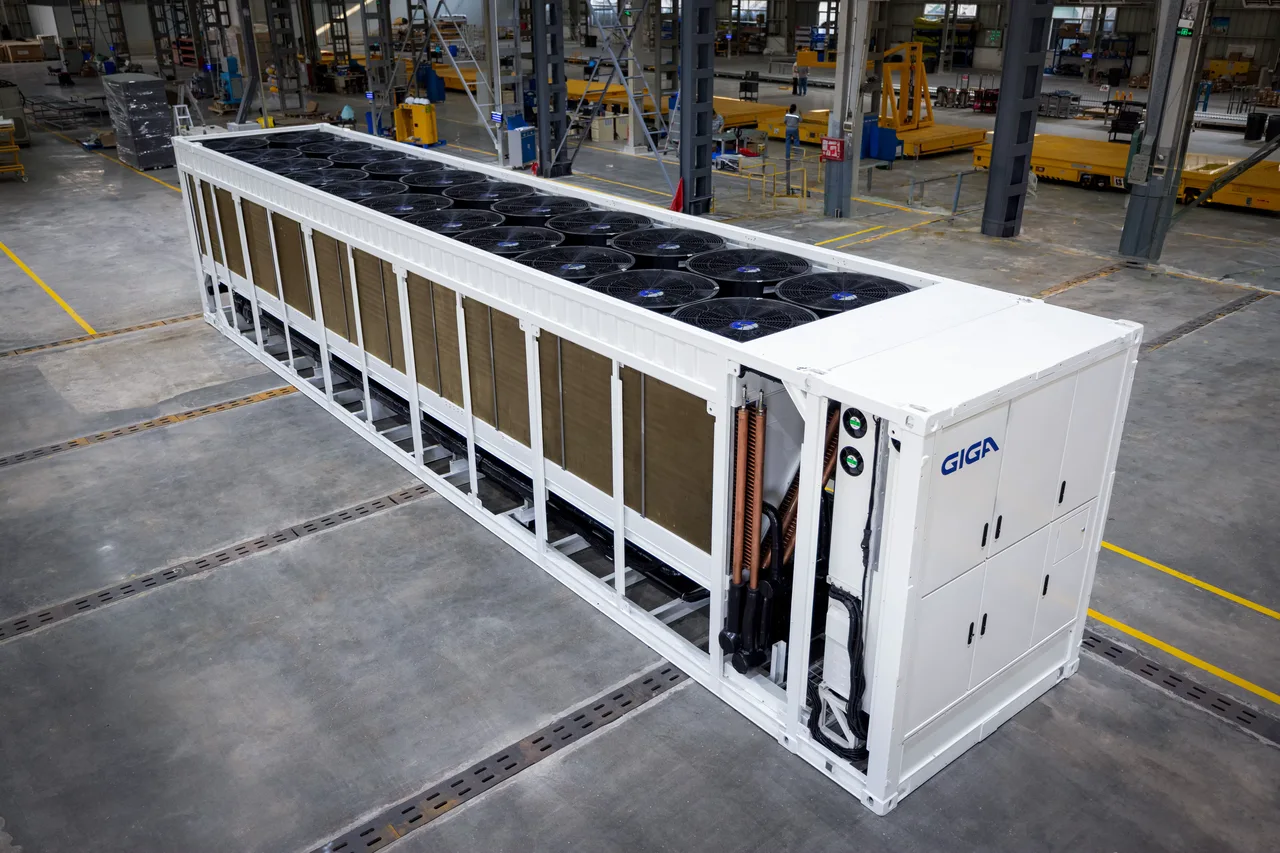
A prefabricated data center is built primarily in a factory rather than in the field. Using this model, the power distribution, cooling, and compute space are all manufactured and tested before they are sent to your site. When the pieces arrive, all that is left is connection and commissioning.
The traditional approach to data center construction works the other way around. Using the old model, the mechanical, electrical, and plumbing systems are all designed, procured, and constructed consecutively. This approach makes builds particularly vulnerable to delays from weather, labor shortages, and supply chain delays.
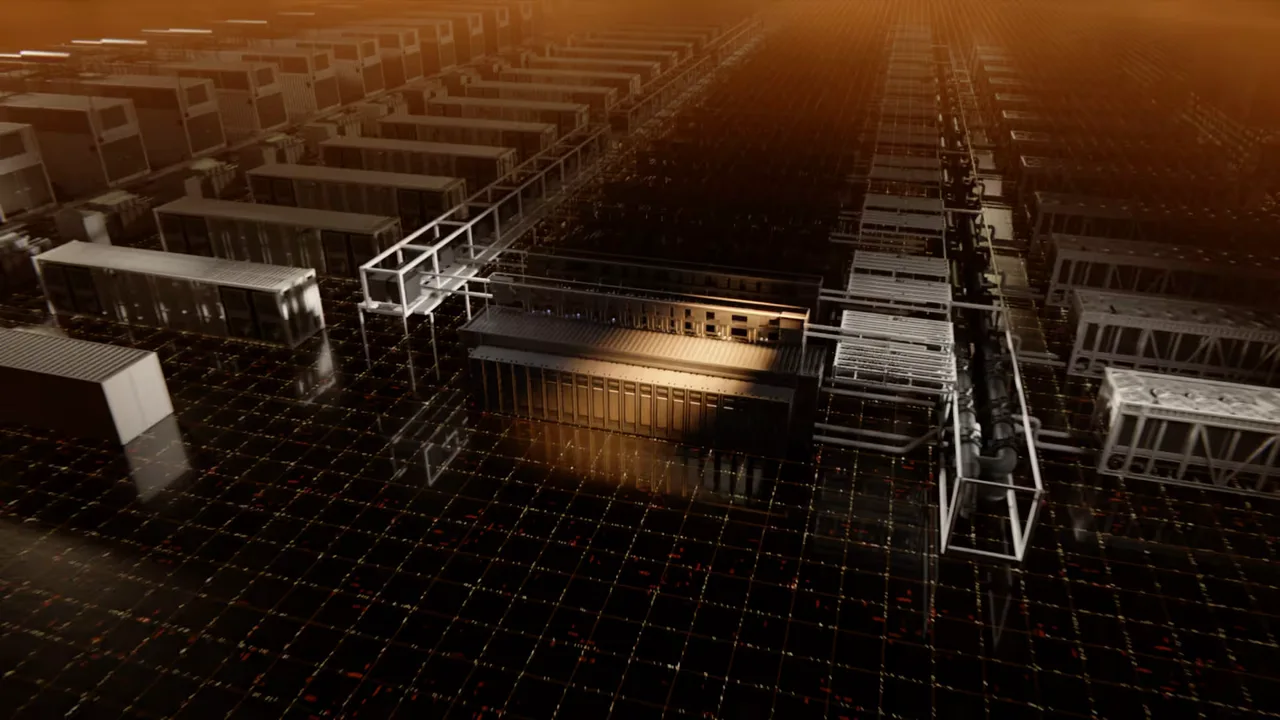
It’s important to note that a prefabricated data center is different from a containerized unit, such as those associated with bitcoin mining. With the right approach, you can deploy a full, scalable, campus-sized data center using prefabricated plug-and-play components.
Read more: What it means to be vertically integrated in AI data center construction
The prefabricated data center power chain
A prefabricated data center has the same basic job as any other data center: getting power from the utility to the rack. Let’s take a look at the breakdown of that power chain in a prefabricated build.
- Substation transformer: Steps high- or medium-voltage power down from the utility to a level the rest of the site can use.
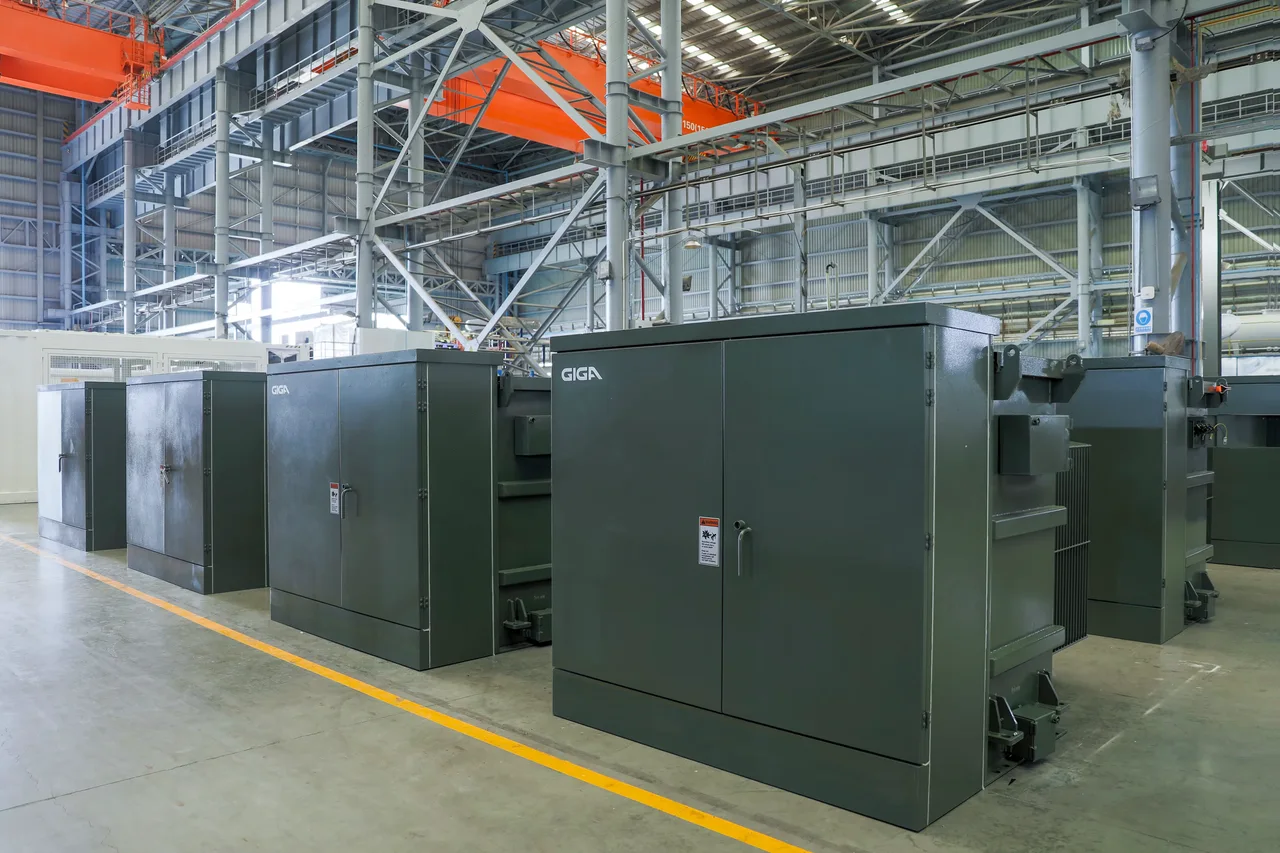
- Medium-voltage transformer: Steps the voltage down to usable low voltage for the rest of the site.
- UPS e-house: Bridges the gap between a utility outage and generator pickup; typically a 5–7 minute window.
- Generator: Comes online as the operational backstop, capable of running the site at full load until utility power is restored.
- Switchboard: Distributes low-voltage power into the building and to the compute modules.
- PDU: Takes the low-voltage power distributed by the switchboard and delivers it at the right voltage and current to the racks and compute equipment on the data center floor.
Every element in this power chain needs to work together for your site to remain functional and fully powered. With a prefabricated data center, each element is manufactured and tested thoroughly before being installed on your site, minimizing the risk of issues during commissioning.
The problem with sequential data center construction
A conventional data center build is sequential. First, you acquire powered land, then permit and design, then procure equipment, then begin on-site construction. When each of those steps happens on its own, that process can take 18 months or more.
The sequencing isn't the only problem; it’s also who is responsible for each of those sequential steps. A typical build involves 5–7 vendors. With this many involved parties, when something goes wrong, nobody's accountable for the whole. The customer ends up managing the gaps between vendors, which is exactly the job they were trying to outsource.
A lot of the industry has recognized this. The conversation around modular and prefab has grown because developers and hyperscalers are tired of these long, complicated buildouts. But most vendors offering "modular" solutions are still integrators.
Owning the manufacturing and the site development is what actually compresses the timeline. We energize standalone infrastructure sites in as little as 12 weeks. Full turnkey deployments through our prefabricated GigaBase system go from greenfield to operational in 9 months because manufacturing and site construction happen in parallel and through one accountable partner.
What to look for when evaluating your data center construction partner
Choosing the wrong partner for your data center project can derail your entire build. When evaluating prefabricated data center companies, ask a few core questions.
- Do they own their manufacturing, or do they resell? Ask where the equipment is actually built and who controls the production schedule.
- What are their real lead times? Marketing lead times and actual lead times are often different, so confirm with references if possible.
- Can they quote you today? A partner with real inventory and real manufacturing capacity can give a same-day quote.
- Do they carry stock inventory? For projects with tight deadlines, in-stock availability is critical.
- What does their warranty actually cover? A warranty that takes weeks to invoke or routes you through three layers of vendor support isn't protecting you.
- Do they have an operational track record? Sites permitted and designed are not the same as sites built and running.
The vertical integration piece matters here, too. When your partner manufactures the transformers, builds the switchboards, engineers the modular data center units, and develops the site where all of it is deployed, you can avoid the struggles of managing a full vendor stack.
Giga Energy has energized 175 MW across 15 sites, with 500+ MW in development. That includes a 40 MW site we built in 60 days. We also own our whole supply chain and operate as a single accountable partner for all our data center clients.
The fastest path to a powered AI data center starts here
Prefabricated data centers are the future of AI infrastructure, but only when you work with the right vertically integrated partner.
Any vendor can call their product modular, but far fewer can manufacture the infrastructure, develop the site, and operate what they build. Giga offers an all-in-one data center solution, pre-engineered, pre-tested, and delivered plug-and-play to your site.
Whether you need components for a site you're already building or a full turnkey deployment from greenfield, we have the manufacturing capacity and the boots on the ground to move fast.
Download the free data center power chain guide to see how the full stack comes together, or reach out to our team today to see how our prefabricated data center system can help speed up your time to power.