Medium-voltage switchgear is the front door to utility power. It's also the most expensive, longest-lead, and most engineering-heavy piece of equipment in the entire power chain. In a traditional build, it's quoted per project by legacy vendors and engineered from scratch every time.
Until the switchgear is designed, delivered, and energized, everything downstream is stuck waiting — which puts an enormous amount of schedule risk on the single most complex piece of infrastructure on your site. At Giga, we remove that risk the same way we do everywhere else in the system: by building it ourselves.
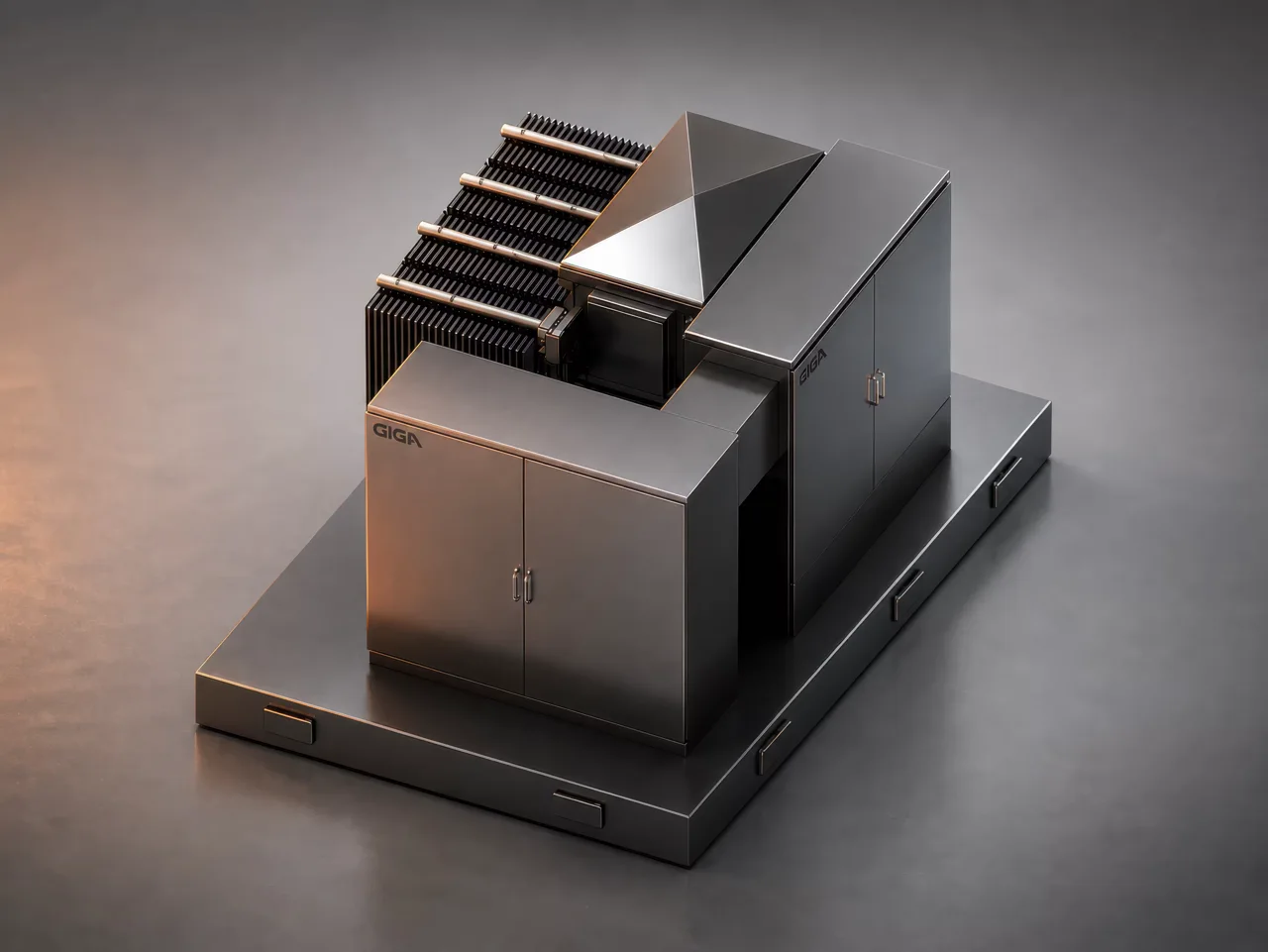
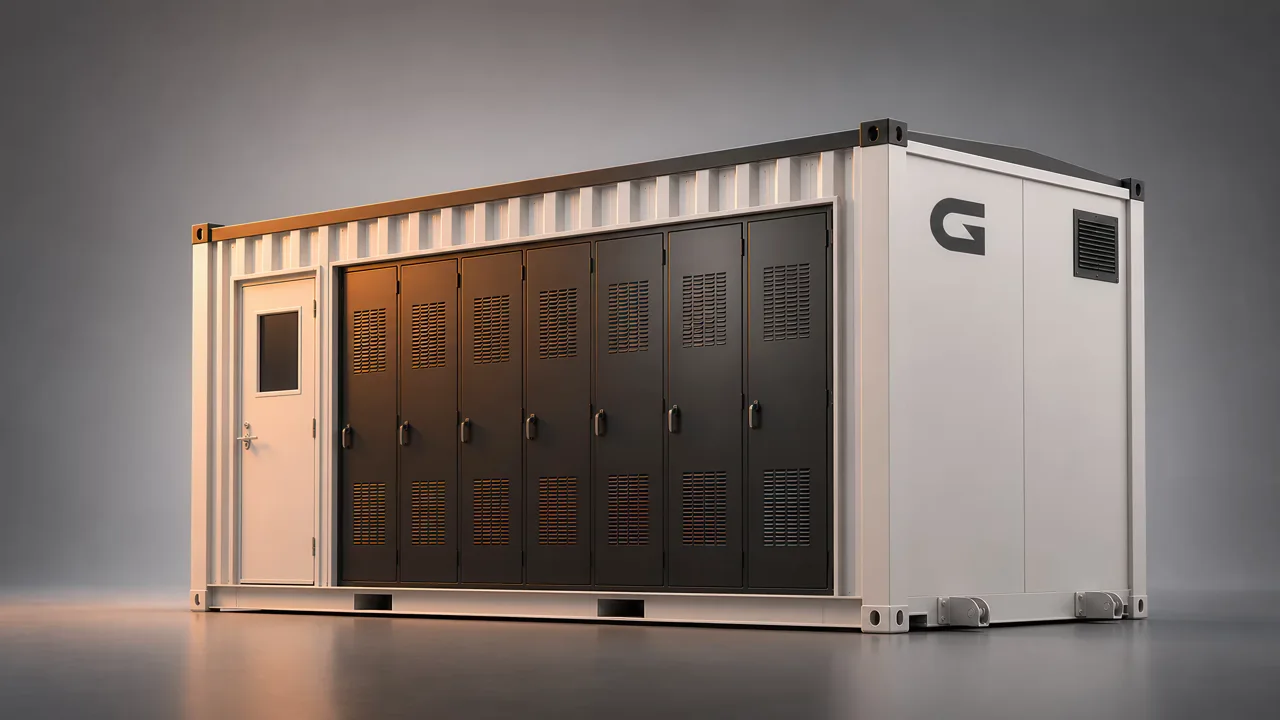
The GigaBase MV switchgear module connects and distributes utility power to your site at 24.9 kV or 34.5 kV. Like every GigaBase module, it is pre-built, pre-tested, and ready to connect the day it arrives.
In this post, we'll cover what the MV switchgear module is, how it protects and distributes power across your site, and how it keeps GigaBase deployments running.
The MV switchgear module
Switchgear is a medium-voltage class of power equipment that sits between the substation and everything downstream in your power chain. This module's job is to take utility power and distribute it safely to the next piece of equipment downstream, which is the power module, where a transformer steps it down for the rest of the site.
MV switchgear is the protective backbone of your site. When a fault hits at the utility level, the switchgear takes the brunt, shielding your transformers, switchboards, UPS, and compute units.
It's also built as a dual-source design, so the site keeps running when the grid goes down. Two incoming feeders mean the module can pull from a utility or generator instead of going dark the moment one source fails.
In a legacy data center build, MV switchgear is quoted per project, engineered per project, and built on the vendor's timeline. Giga does things differently. Our GigaBase MV switchgear arrives pre-engineered and pre-tested, and the same module handles both 24.9 kV and 34.5 kV, giving you one standardized design to cover utility interconnections that legacy vendors would engineer and quote separately. It also uses LPIT (low-power instrument transformer) sensors in place of traditional bulky instrument transformers, for more compact, safer, and more accurate metering and protection.
How our MV switchgear distributes power
Utility power arrives at the substation at a voltage far too hot to touch anything in your white space. The MV switchgear module's job is to receive that power, protect your site from complications at the utility level, and deliver clean medium-voltage power downstream.
Our MV switchgear module has 10 built-in feeder breakers. Each feeder carries power out to the power modules, where transformers step it down to 415 V. Switchboards route it toward the UPS and, eventually, your racks.
The switchgear is the site's first line of defense. When a fault hits, the affected feeder breaker opens and isolates the problem as close to the source as possible, limiting how far it propagates. And because the module is dual-source, a loss of utility power triggers a switch from utility to generator, so the transformers, switchboards, UPS, and compute keep running without an interruption.
Medium voltage switchgear and the GigaBase system
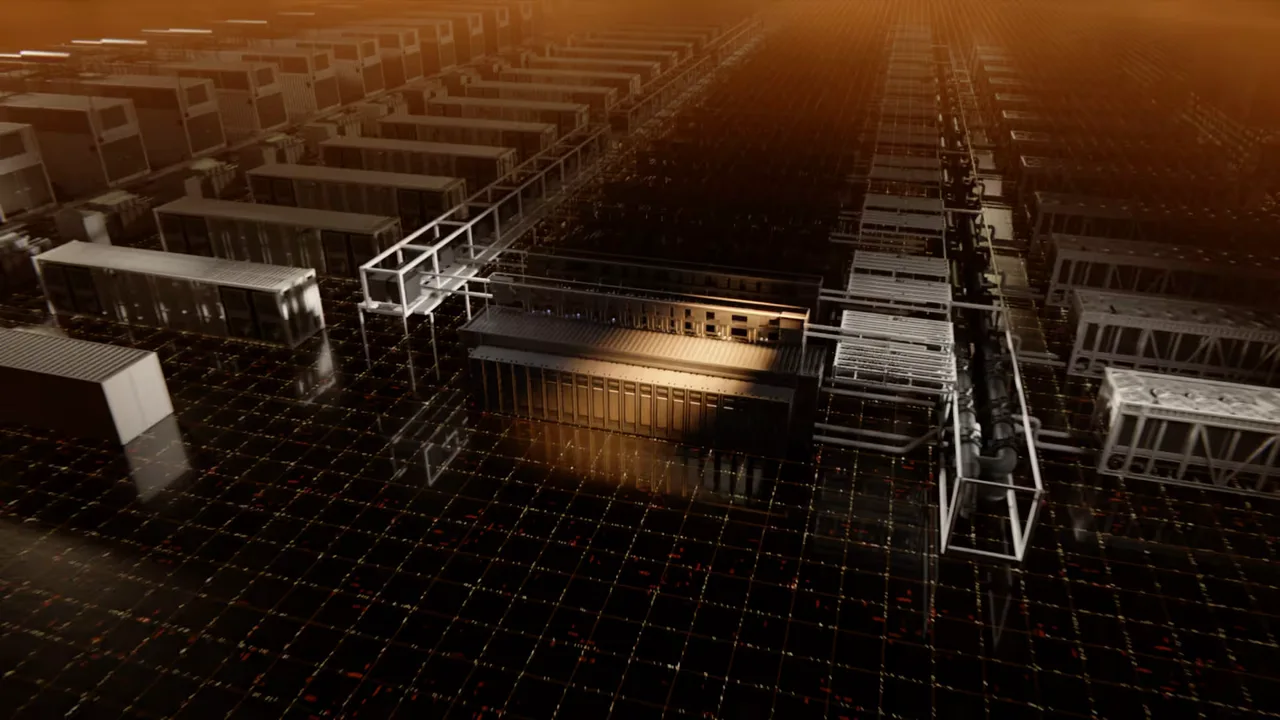
Medium-voltage switchgear has been the most gatekept scope in data center construction for too long. It's usually quoted per project, engineered per project, and delivered on legacy vendors' timelines — all on the single most expensive, longest-lead item in the build. Our module-based system turns it into a standard building block: 24.9 kV or 34.5 kV, dual incoming feeders, ten feeder breakers, LPIT sensing, pre-engineered and repeated across every deployment.
If utility interconnection and power distribution are the longest poles in your project plan, the only fix is working with a partner who controls that scope end-to-end. Get in touch with the Giga team to talk through what a GigaBase deployment looks like for your project.