Power distribution architecture is often treated as just another procurement task when it comes to data center construction. In reality, that process is the entire backbone of your data center build.
If you want to build and operate your AI data center as effectively and efficiently as possible, you need to start with a solid understanding of data center power distribution.
This post breaks down the key components in a data center power distribution chain. We’ll cover each element with enough technical depth to be useful when specifying and procuring this equipment, giving you everything you need to prepare for your next data center build.
What is data center power distribution?
Utilities deliver electricity at medium voltage. That power needs to be stepped down repeatedly before it’s ready to power your servers and GPUs. Everything that happens between the utility and the rack falls under the category of “data center power distribution.”
There are five major stages in your data center power chain: substation transformers, medium-voltage transformers, UPS units, low-voltage switchboards, and your PDUs. These are all critical infrastructure components, but most teams don’t spend much time thinking about them until something goes wrong.
AI workloads are pushing rack power density higher than ever. Demand for data center capacity keeps outpacing the grid. That makes every component in your power chain a potential bottleneck.
If you want to keep your project on track, you need to understand the key elements and equipment required for data center power distribution and choose the right infrastructure partner for your build. This post breaks down the key components, what they do, and what to know before you spec them.
1. The substation transformer
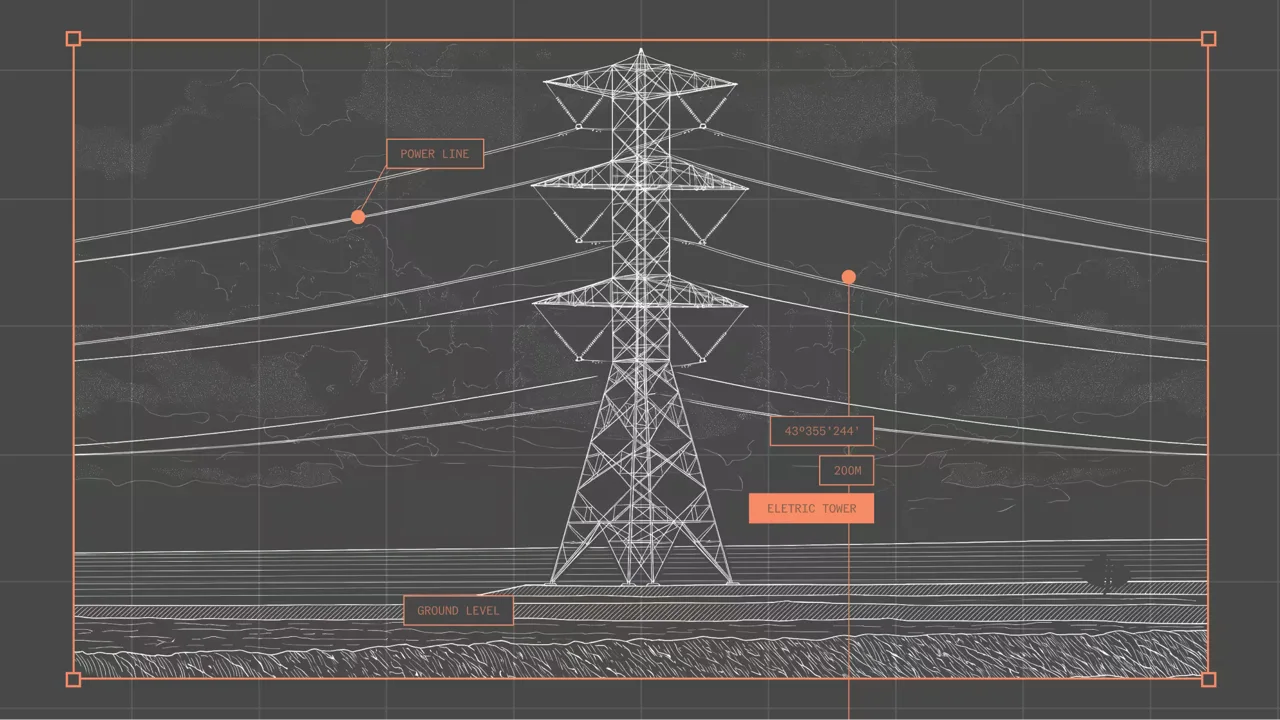
Utility power arrives at medium voltage, anywhere from 4 kV to 46 kV, depending on the utility. Your substation transformer’s job is to step the voltage down to a level your facility can use.
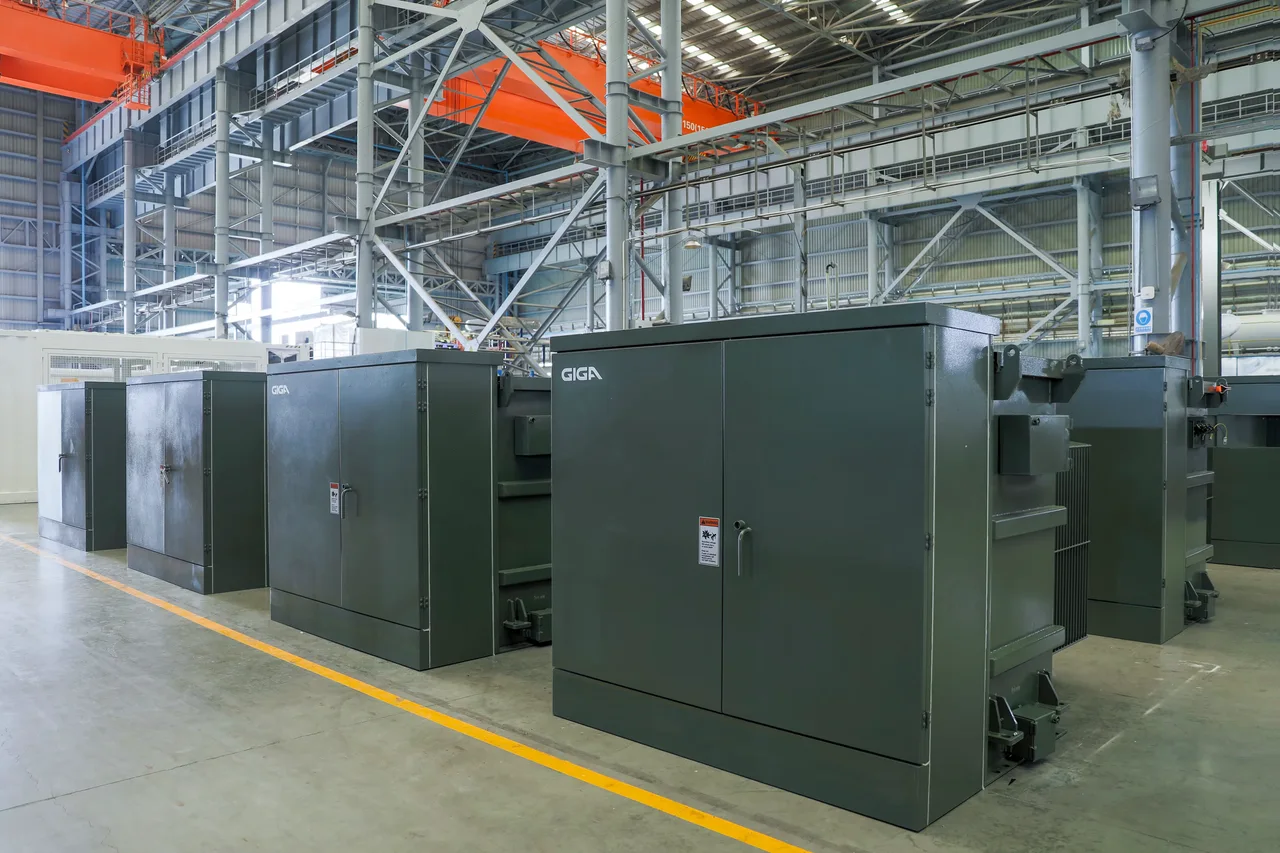
When you're speccing for a large data center campus, the architecture typically starts at the top with HV (high voltage) substations. These handle the heavy lifting of stepping down transmission-level power before it ever reaches the building. From there, MV (medium voltage) padmount transformers pick up distribution duties at the site level. When you're evaluating pad mounts, the numbers that matter are kVA rating, primary voltage class, impedance, and fluid type.
Substation transformers are one of the longest-lead items in your power chain. The industry standard for made-to-order units is 40 to 100 weeks, which is not sustainable for most fast-paced data center builds.
Giga Energy is fully vertically integrated, meaning we control every aspect of our own supply chain, allowing us to slice lead times in half in many cases. We also keep in-stock inventory for immediate delivery at our factories in Long Beach, CA and Houston, TX.
2. Medium-voltage padmount transformers
After the substation steps down the voltage, it travels across your data center campus at medium voltage before a secondary step-down at individual buildings or modular units. This is the stage where your medium-voltage padmount transformers enter the picture.
This is also where PUE (power usage effectiveness) comes into play. PUE is the ratio of gross campus power to the critical IT power that actually reaches your servers. This metric will help you keep tabs on your conversion losses, so it’s critical to monitor.
Medium-voltage padmount transformers are another long-lead piece of equipment. Giga speeds up these lead times with our supply chain control and US-based manufacturing. Our factory in Houston, Texas, specializes in three-phase padmounts, giving our customers and partners a domestic source of critical power infrastructure at a fraction of the lead times the legacy manufacturers and brokers quote.
3. The UPS and e-house redundancy layer
You need your uptime to be north of 99%, which means that when utility power drops, you need something to bridge the gap until your generators come online. That's the job of the UPS (uninterruptible power supply) and the e-house that houses it.
At this stage in the data center power distribution chain, the UPS is operating in continuous Double Conversion mode, meaning utility power is continuously converted and conditioned before it reaches your load. When a grid disruption hits, the UPS instantly bridges the gap with battery power while the generators spin up.
UPS batteries are designed to run for a short period of time, usually just five to seven minutes, which is long enough for most generators to spin up and take over. Your UPS and e-house are critical because GPU clusters have zero tolerance for even a momentary brownout, so you need to stay fully powered at all times.
Gensets
Once the UPS buys those few minutes, the gensets take over. A genset (short for generator set) combines a diesel engine with an alternator. The engine provides mechanical power and the alternator converts that into electricity. At full load, a site-level genset delivers around 3.3 MW of backup power, enough to run the entire data center independently of the grid as long as it remains fueled.
Most onboard day tanks hold enough diesel for roughly 12 to 24 hours of operation. The moment generators kick on, fuel contracts trigger automatic truck dispatches to the site, so there's no scramble for fuel if your outage lasts longer than 12 hours.
Read more: Data center electricity needs: Powering your AI data center
4. Low-voltage switchboards
Once your transformer steps voltage down to 480V, that power needs somewhere to go. The switchboard receives it and distributes it across your facility.
You need to specify your switchboard carefully, looking at both the input and output. A voltage mismatch on your switchboard will require a retrofit and, ultimately, delay your overall project timeline.
Giga's UL 891 switchboards are rated up to 5000A at 480V and built in our factory in Long Beach, California. Our US-based manufacturing and full supply chain control allow us to build custom-specced switchboards on timelines measured in weeks, not quarters.
5. PDUs and rack-level power
When people say "PDU," they're often talking about two very different pieces of equipment. Getting these mixed up is one of the more common sources of confusion in data center power discussions, so it's worth spelling out.
- Floor-mounted PDUs are large, transformer-based units that step voltage down (typically from 480V to 415/240V or 480/277V) and distribute power to downstream equipment.
- Rack PDUs (rPDUs) are the power strips inside the rack itself. These are lightweight, plug-in units with dozens of outlets that feed individual servers.
Once a floor-mounted PDU conditions and steps down power, it needs to get that power to each rack. There are two main approaches you might use:
RPP (remote power panel) works like the breaker panel in your house, with fixed circuits running dedicated cable to each rack. It's familiar, cost-effective upfront, and works well when your load is known and your layout isn't going to change. The tradeoff is that, at scale, you're running hundreds of individual cables through the floor, which makes reconfiguring later on challenging and expensive.
Busway involves a prefabricated overhead rail that runs the length of the data hall. You can tap off wherever your rack layout requires and swap receptacle types without running new wire. Busways are expensive upfront, but they future-proof your design and dramatically cut installation labor.
Should you use RPPs or busways? The answer depends on your needs. If your loads are defined and stable, RPP gets the job done at lower capex, but if you're building for GPU-dense workloads that will evolve, busway gives you the flexibility to keep pace without a full rewire.
Choosing the right data center power distribution partner
The equipment discussed in this post is critical to powering your AI data center, but the supply chain behind that equipment matters just as much. If you’re working with a partner quoting 52+ weeks for substation transformers, you’re holding up everything else downstream, regardless of how well you’ve planned the rest of your project timelines.
Data center power distribution equipment lead times can result in major sequencing problems if you choose the wrong partner. Every component has to arrive, be installed, and be commissioned in the right order. That requires a partner who can see the entire chain and manufacture the equipment you need at every step.
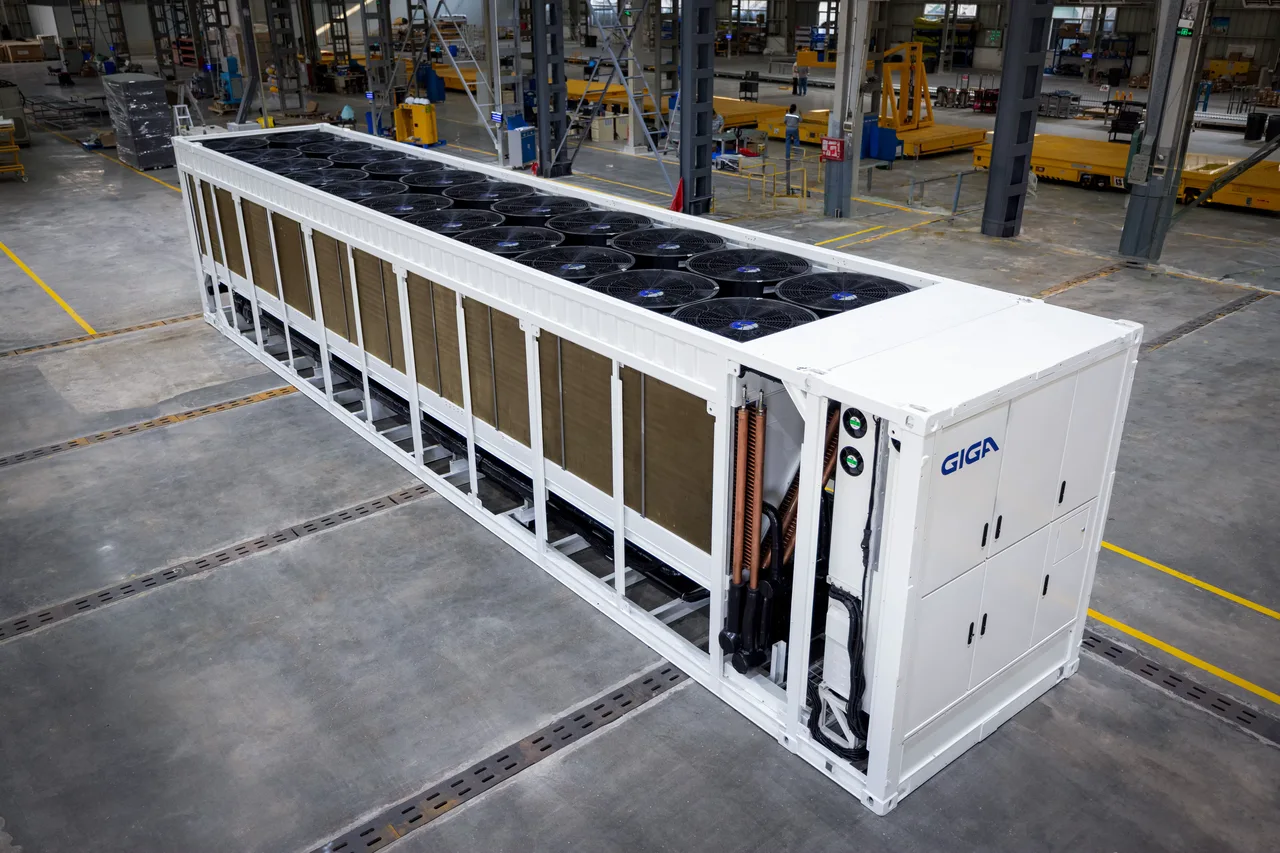
Giga's prefabricated AI data center system pre-integrates the power module, UPS e-house, and GigaPod compute modules, all shipped pre-built and pre-tested. Only power and cooling connections are made on-site, cutting MEP construction labor by 10x compared to traditional field builds.
One partner. One timeline. No waiting on the slowest vendor in a five-supplier chain.
Ready to spec a power distribution stack that won't stall your project? Contact our sites team today, or check out our free visual guide, The Data Center Power Chain Explained, for more clarity on how your power distribution impacts your data center.