Data center power demand is on track to double by 2030. This massive boom is driven by the compute requirements of AI, and it’s already straining the grid. Utilities are managing longer interconnection queues, and available megawatts are getting harder to secure.
For operators, the challenge is clear: you need more power, delivered faster, to facilities that didn't exist two years ago. But the infrastructure supply chain wasn't built for the pace we need now. Transformer lead times from legacy manufacturers stretch past a year. Switchboards take five to six months. Coordinating across multiple vendors adds weeks of schedule risk on top of that. The result is projects where the GPUs are ready, but the power isn't.
Understanding how data center electricity actually works is the first step toward cutting through those delays. This post walks through the power chain, where it breaks down, and what operators can do to build faster without compromising.
Ready to kick off your data center build? Talk to a Site Specialist to get started.
How data center electricity works (and where it breaks down)
Every data center follows the same basic sequence when it comes to the power chain. You’ll receive high-voltage electricity from your utility, then step it down through a series of equipment until it reaches a level your servers can make use of.
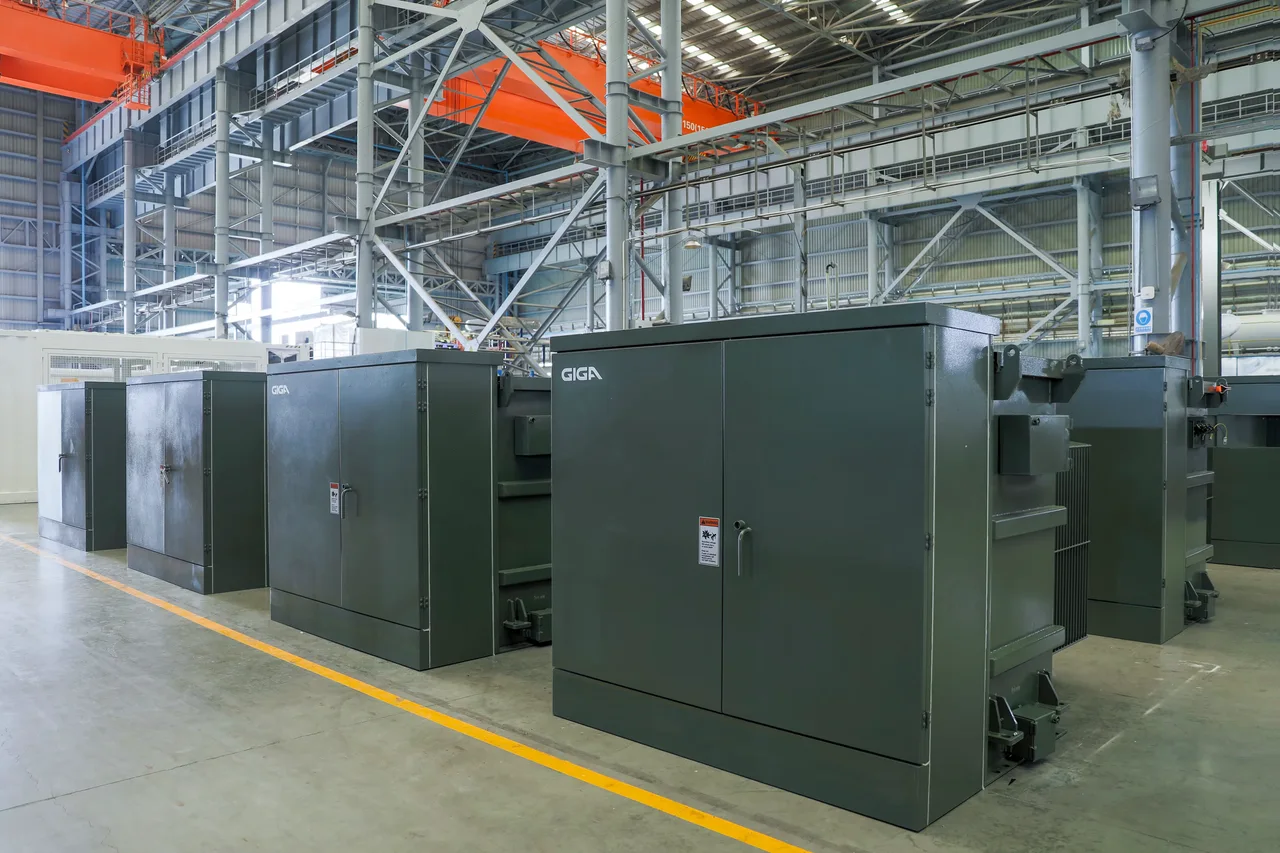
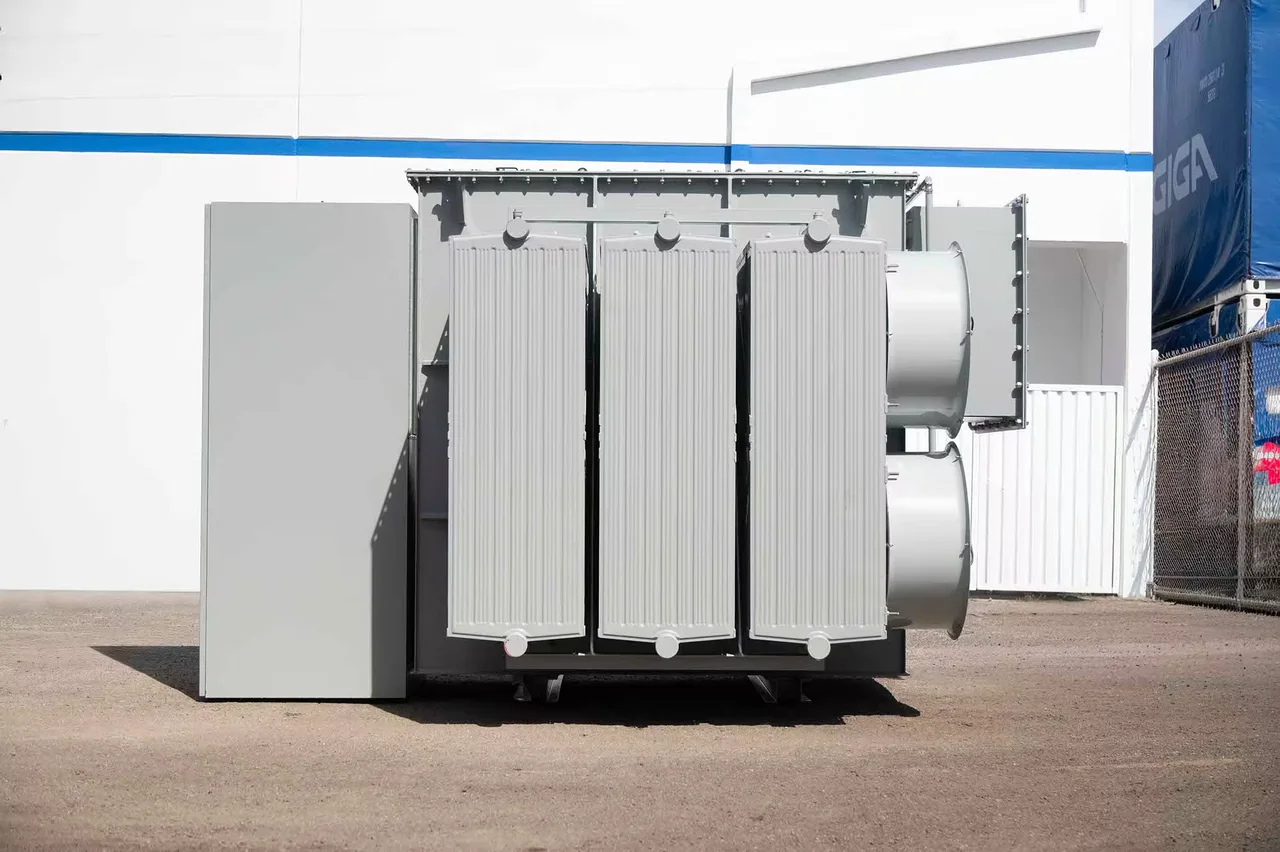
For most data centers, the path looks something like this: utility power feeds into a substation transformer, which brings the voltage down to medium-voltage distribution levels. From there, additional step-down transformers reduce it further to 415 or 480V. Switchboards then distribute that 480V power across the facility, and power distribution units (PDUs) deliver it to individual racks at the voltages your IT equipment needs.
One of the biggest challenges in powering modern data centers is related to procurement. Every piece of equipment in your chain (substation transformers, padmount transformers, switchboards, and PDUs) comes with its own lead time and engineering cycle. In the traditional procurement model, each one also likely has its own vendor, leaving you to play Telephone between half a dozen different suppliers as you try to get up and running.
The power chain itself isn't complicated. Getting every link in that chain delivered, engineered correctly, and installed on schedule is where most projects fall apart. With this in mind, let’s walk through some of the nitty-gritty details of data center electricity needs and how you can overcome or avoid those procurement challenges.
Read more: Data center construction guide: Costs, timelines, and equipment
AI workloads are changing power density requirements
Traditional data centers were designed around rack densities of 5 to 10 kW, which is plenty for general-purpose compute and enterprise workloads. But AI changes the math.
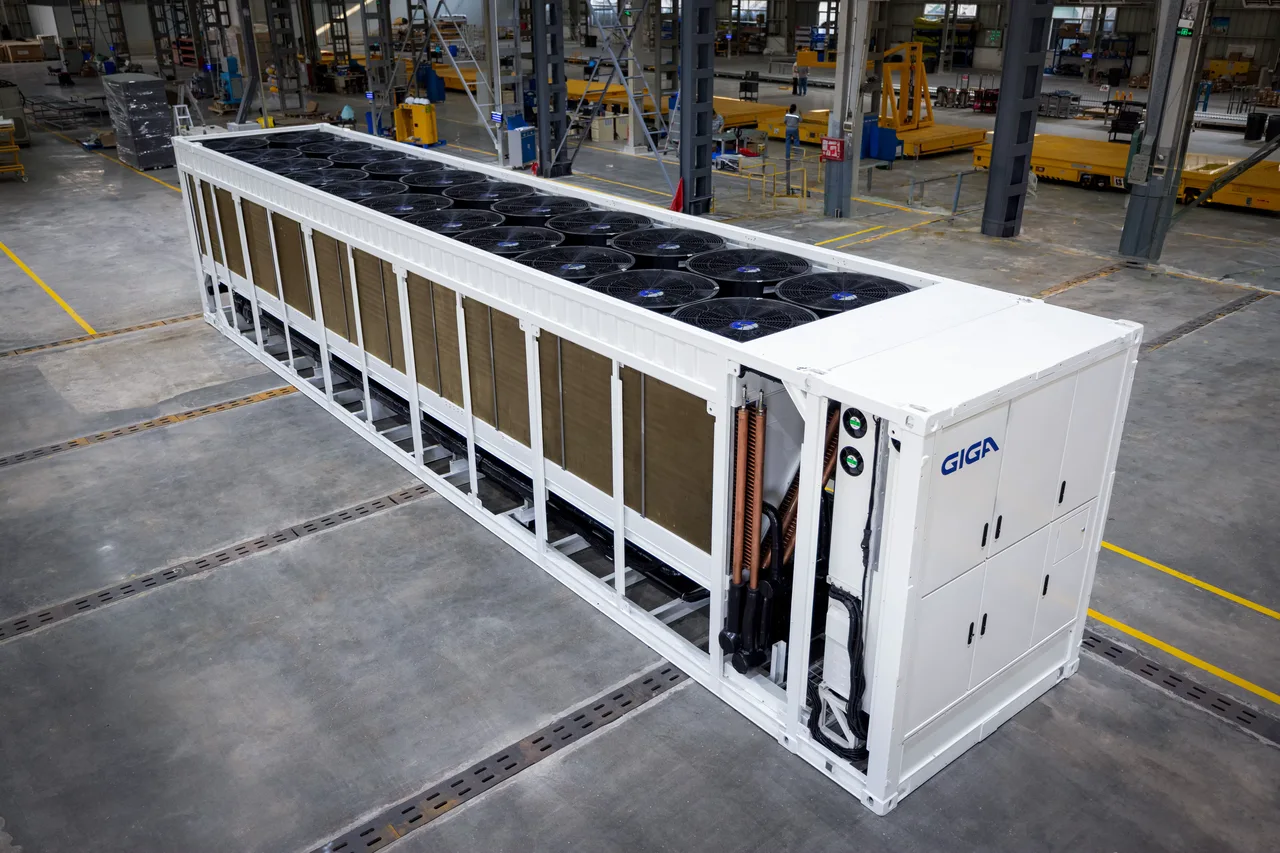
GPU clusters routinely push 150-200 kW per rack or more, and that number keeps climbing. More power per rack means heavier electrical infrastructure to support it. You need larger conductors, higher-rated breakers, and cooling capacity that has to scale in lockstep. For every kilowatt increase in power, you need an equal increase in cooling.
The refresh cycle is compressing, too. Most data centers were built with a 10- to 15-year life expectancy in mind, while IT equipment has historically been replaced every 5 years.
AI is accelerating that gap. New GPU generations ship faster, rack configurations shift mid-project, and power requirements at a given location can change significantly between the time a facility is designed and the time it goes live.
This creates a real problem for anyone building on a rigid electrical design. If your power distribution system is locked into a fixed layout from day one, you'll spend time and money re-engineering it every time requirements shift.
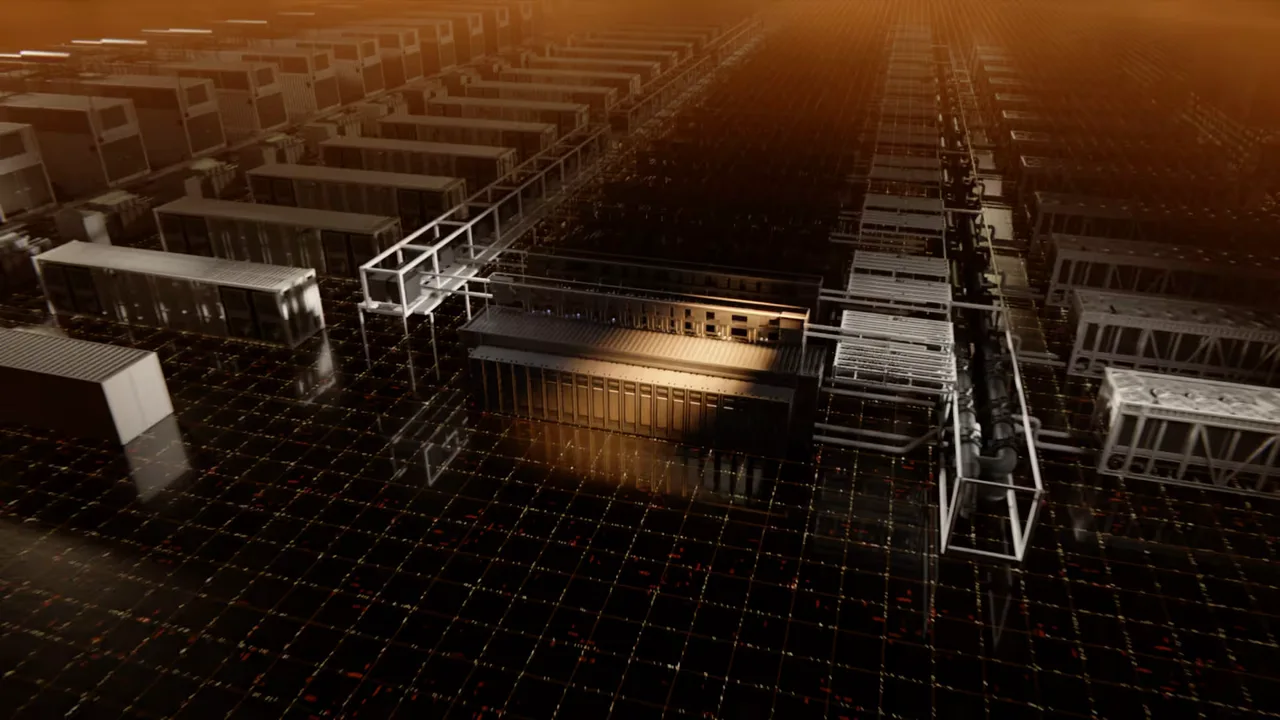
That's why Giga designed its data center infrastructure as a system of pre-fabricated building blocks. Each one is manufactured, tested, and commissioned before it ever arrives on site. Generator blocks, electrical houses with transformers and switchboards, UPS modules, cooling systems, and AI pods all ship as standalone, operational units. On-site, the work involves connecting power and cooling between blocks rather than building from scratch.
Because each block is self-contained, you can scale in increments as small as a single 2.8 MW pod or repeat the pattern to 10, 50, or 100+ megawatts. If you need to add capacity or reconfigure, you can do so easily with this pod-based system. And because the heavy integration work, like flushing cooling loops, wiring distribution, and testing systems, happens at the factory, not in the field, you can cut months off your timeline and dramatically reduce the skilled labor required on site.
The grid bottleneck is getting worse
Data center operators are competing for both GPUs and megawatts, and, in some regions, getting a new large-load connection approved and energized can take years through traditional channels. That timeline doesn't work when the market is moving this fast.
That urgency is pushing operators into expensive workarounds like mobile gas generators, temporary substations, and anything else they can use to get capacity online before competitors lock it up. Speed matters, but so does how you get there.
For operators, the takeaway is straightforward: securing megawatts is now a competitive advantage, not just a procurement task. And the critical path is the infrastructure between the grid and your racks. Substation transformers, step-down transformers, switchboards, and distribution gear. You can sign a power contract tomorrow, but if your transformer is 60 weeks out, that's 60 weeks of capacity sitting idle.
Design for flexibility and scaling
The design you put down on day one of planning won't be your data center design forever. Rack layouts will change, power densities will increase, and voltage requirements will change over time. The best way to set yourself up for long-term success is to bake flexibility into your AI infrastructure.
When you’re building a flexible architecture, you need to keep a few points in mind. Here are some tips to get you started:
- Use overhead busway systems: This design allows you to tap power at any point along the run with plug-in units, rather than pulling long runs of conduit and wire back to a panel every time you add or move a rack.
- Choose a modular switchboard design: A modular design lets you expand capacity by adding breakers or feeder cabinets without re-engineering the core system.
- Intelligent PDUs with outlet-level metering: These units give you granular control at the rack, allowing you to switch outlets on and off, monitor individual circuits, and catch phase imbalances early.
The result of a flexible layout is a power distribution layer that enables you to make changes relatively quickly without taking live systems offline. The bottom line is that flexibility in the power distribution layer is what ultimately separates data centers that keep pace with AI demand from those that hit a wall the first time requirements change.
Find a vertically integrated manufacturing partner
There’s one core challenge buried in everything we’ve covered so far: the data center infrastructure supply chain. The traditional chain is fragmented, meaning you’d have to work with multiple vendors, each with different approaches and lead times. This fragmentation compounds issues and, ultimately, costs time and money.
At Giga, we took a different approach.
We manufacture our own substations, padmount transformers, and switchboards in-house, develop and build sites, and operate those sites with monitoring assistance. The practical effect of our approach is shorter lead times and quicker time-to-energization timelines.
This approach eliminates the finger-pointing that sometimes happens between vendors when there’s a problem or a spec change. When one team owns the entire timeline, it’s easier to troubleshoot and course correct if delays happen.
For operators who need megawatts online and racks running, the math is simple. Fewer vendors, fewer handoffs, and shorter lead times mean faster time-to-revenue, all with one partner accountable for the result.
Read more: How Giga builds AI-ready data centers in 9 months
Build your data center electricity infrastructure faster
AI is rewriting the rules for data center power. The operators who come out ahead will be the ones who secure megawatts, source equipment, and get sites energized faster than their competitors. The ones who don’t will be the ones leaning on legacy OEM systems and timelines.
The power distribution chain doesn't have to be a bottleneck for your data center site project. With the right infrastructure partner, it becomes the thing that puts you ahead of schedule instead of behind it.
If you're planning a data center build or expansion and need transformers, switchboards, or full site development on a timeline that actually works, we should talk. Build a quote or contact the Giga team to get started.
.png?w=1280)