The biggest bottleneck in AI compute expansion isn't GPUs: it's megawatts and the speed of deploying them. Data centers are multiplying faster than the grid can keep up, and every path to energization involves waiting. You’re waiting on land, on equipment, and on contractors. Legacy manufacturers are quoting lead times that stretch close to two years, and the fragmented vendor model only makes it worse.
Is vertical integration the solution? We certainly think so. But what does it mean to be "vertically integrated," beyond the buzzword?
This post breaks down what vertical integration actually means in the energy industry, why it matters, and how a vertically integrated model delivers on the three things infrastructure buyers care about most: lead times, quality, and accountability.
What vertical integration means in AI data center construction
In the energy industry, vertical integration means that one company owns the full stack, including powered land, manufactured equipment, and everything in between. With a vertically integrated partner, one team is accountable for site origination and development, equipment manufacturing, and power market operations.
Giga Energy is the only truly vertically integrated AI data center construction company, combining domestic manufacturing, powered land, and site development under one accountable partner.
Vertical integration is critical right now because the legacy energy infrastructure supply chain format was not built for the era of AI. AI data centers are multiplying faster than the grid can support them, and the systems behind the grid (equipment manufacturers and site developers) are still operating like multi-year timelines are acceptable.
With siloed responsibility across five to seven vendors, you get multi-year timelines and finger-pointing when things go wrong. The result is a bottleneck between the infrastructure the market needs and the capacity to actually deliver it. Projects stall not because the demand isn't there, but because the supply chain can't keep pace.
So what does vertical integration actually change for you, the buyer? Here’s how it plays out in practice.
1. Faster buildouts
Equipment lead times are a major bottleneck for getting new AI capacity online, but they’re not the only one. The entire project timeline is filled with potential friction points. When you’re sourcing MWs from one vendor, buying transformers from another, hiring a separate EPC firm, and hoping everyone's schedule aligns, you're adding a lot of unnecessary coordination and scheduling issues to your data center build.
The traditional model we’ve just discussed takes 18–24 months from greenfield to ready-for-service. Giga builds data centers in under nine months because we are fully vertically integrated.
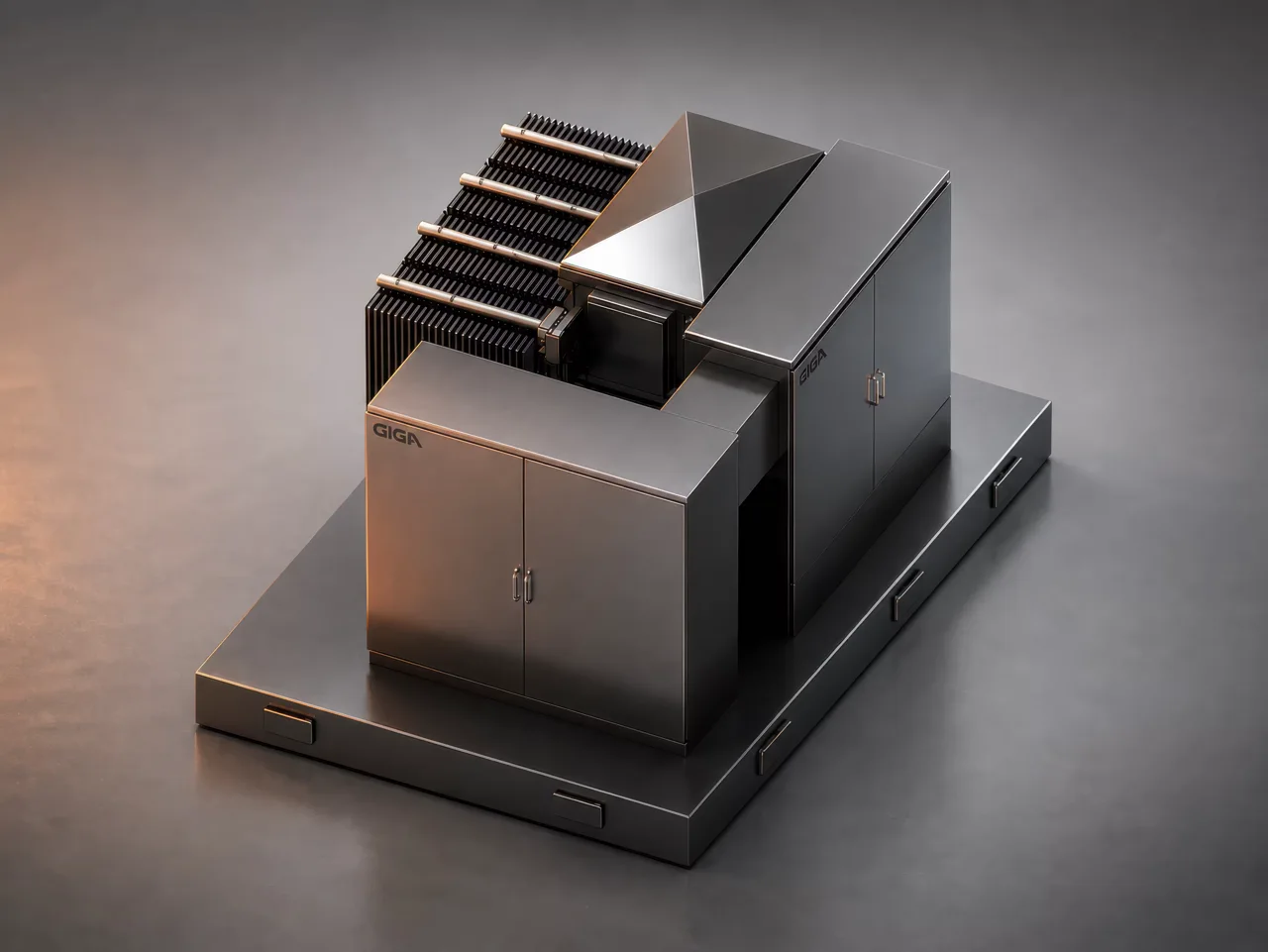
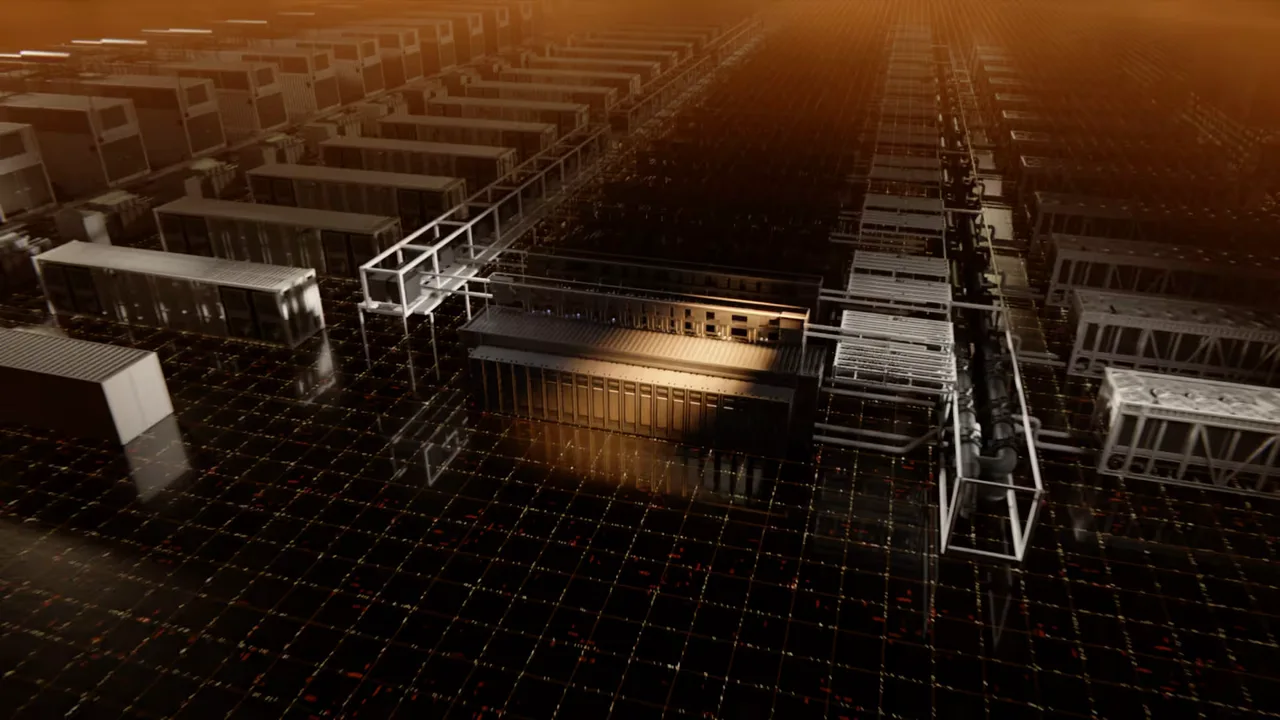
Instead of constructing AI data centers using legacy processes, we manufacture them in prefabricated modules that we construct and pre-test in our factories before shipping. Only power and cooling connections are made on-site, which reduces field labor by 10x compared to traditional builds. Meanwhile, manufacturing, permitting, and site development run in parallel instead of sequentially.
The result: a full AI factory, ready for GPUs, in nine months or less.
2. One accountable partner
In a fragmented supply chain, accountability is everyone's job, which usually means it's no one's job. One company designs the equipment. Another installs it. Your on-site contractors have no line of sight into how things were engineered, and when something goes wrong late in the game, everyone starts pointing fingers instead of solving the problem.
Vertical integration collapses that vendor chain into one partner. At Giga, site origination, equipment manufacturing, construction, and operations all sit under one roof. One team owns the outcome from spec to site, meaning one team is responsible for the quality and outcomes at every stage of the build.
This structure is the key that our founders, Brent Whitehead and Matt Lohstroh, discovered back in 2019. When they built their first modular data center, they ran into all the classic problems associated with legacy construction: slow equipment, disappearing vendors, slipping timelines, and no one willing to own the outcome. Instead of battling through those inefficiencies, they built the fix themselves. That vertically integrated, operator-led DNA still runs through everything Giga does today.
Read more: How to choose the right transformer for your project
3. Greater control over infrastructure
When you own the supply chain, you control both things that kill projects: lead times and quality. Let’s examine both of these more closely.
- Lead times: Large legacy manufacturers quote transformer lead times that stretch well over a year. Newer shops have entered the market promising faster turnarounds, but speed without engineering depth can result in transformers that arrive on time, but aren’t built to spec, creating a whole new host of problems. Working with a vertically integrated partner means industry-leading lead times on custom orders, stock inventory options, and no third-party supplier holding your project hostage.
- Quality: Trade-offs between steps and vendors create gaps where quality issues can slip through unnoticed. When you work with a vertically integrated partner, the same team that designed and engineered the equipment also handles manufacturing, install, and support. Giga's transformers and switchboards are built to NEMA, ANSI, IEEE, and DOE standards, with rigorous oversight at every production stage. Every unit is UL-Listed and goes through comprehensive testing before it leaves our facilities.
Working with a single partner from spec to site also means a different kind of support experience:
- Support through the entire process, from spec to site
- A dedicated point of contact
- Same-day quotes
- Direct access to our engineering team (instead of a ticket queue)
- Warranties that cover materials and workmanship
Read more: What is a UL 891 switchboard?
Misconceptions about vertical integration
Being vertically integrated doesn't mean a company does everything itself in a vacuum. At Giga, it just means that we own the critical path. The engineering, manufacturing, and decision-making processes that determine whether a project hits its timeline, budget, and quality targets are always kept in-house.
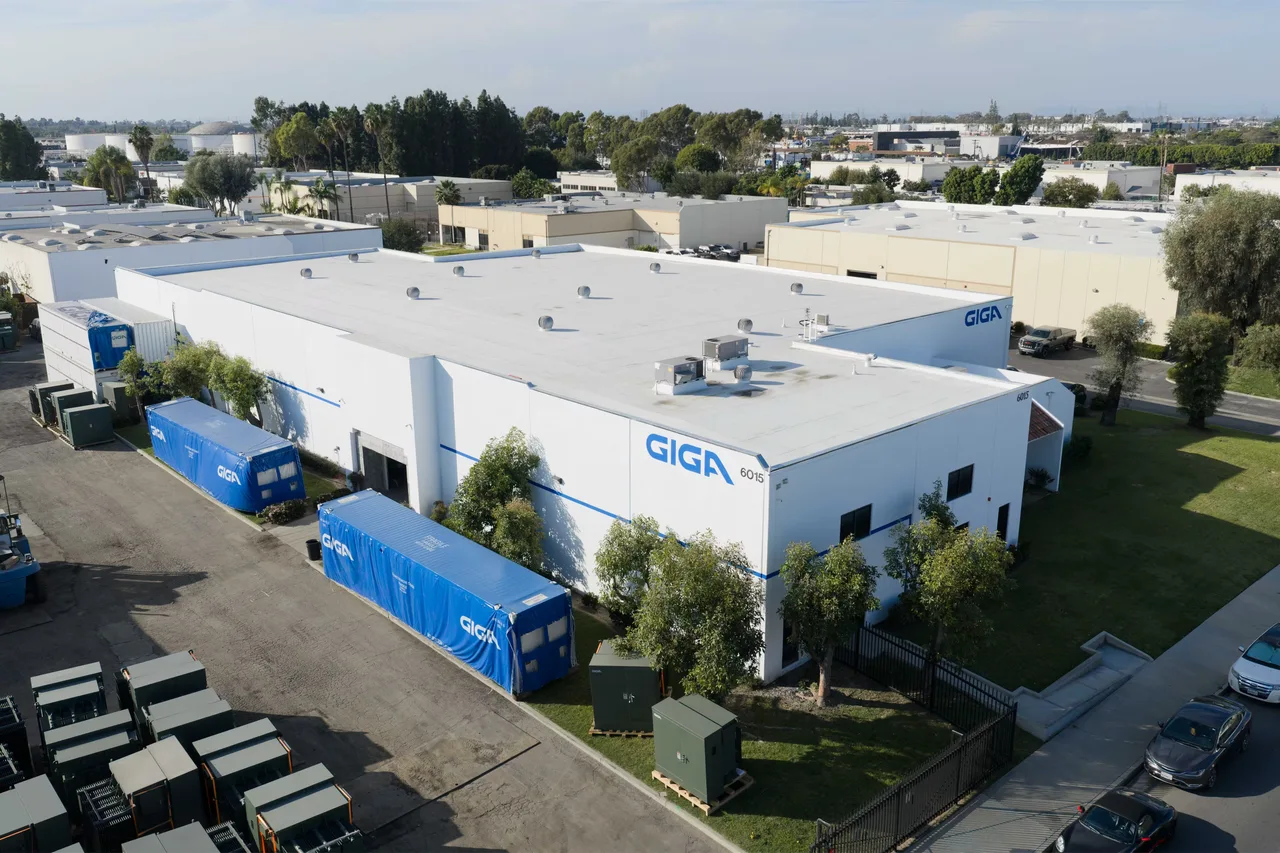
Giga uses American engineering and leverages a global supply chain. Our switchboard factory is in Long Beach, CA, our transformer manufacturing is based in Houston, TX, and our engineering teams are all U.S.-based.
This is worth understanding when evaluating other manufacturers. Some newer shops quote fast lead times but operate more as brokers than engineers, sourcing components from third parties and passing quality and timeline risk back to the buyer. If the company quoting your transformer doesn't own the supply chain behind it, that lead time is only as reliable as their weakest supplier.
Why vertical integration matters more than ever in AI data center construction
The infrastructure bottleneck facing the energy industry isn't going to resolve itself. AI compute demand is accelerating, renewable capacity targets keep climbing, and industrial electrification is adding pressure from every direction. The legacy supply chain can't keep up, and the companies that rise to the top in the next few years will be the ones working with partners who own the full stack, stand behind their timelines, and take accountability at every step.
Giga operates hundreds of megawatts of data center sites with hundreds more in the pipeline. That track record was built by a team that decided to stop tolerating the broken status quo and start building the fix themselves.
If your next AI factory build can't afford the delays, the finger-pointing, or the quality gambles that come with a fragmented supply chain, we should talk. Get in touch with our engineering team today to talk about your project and how Giga’s vertically integrated approach can help.
.avif?w=1280)