
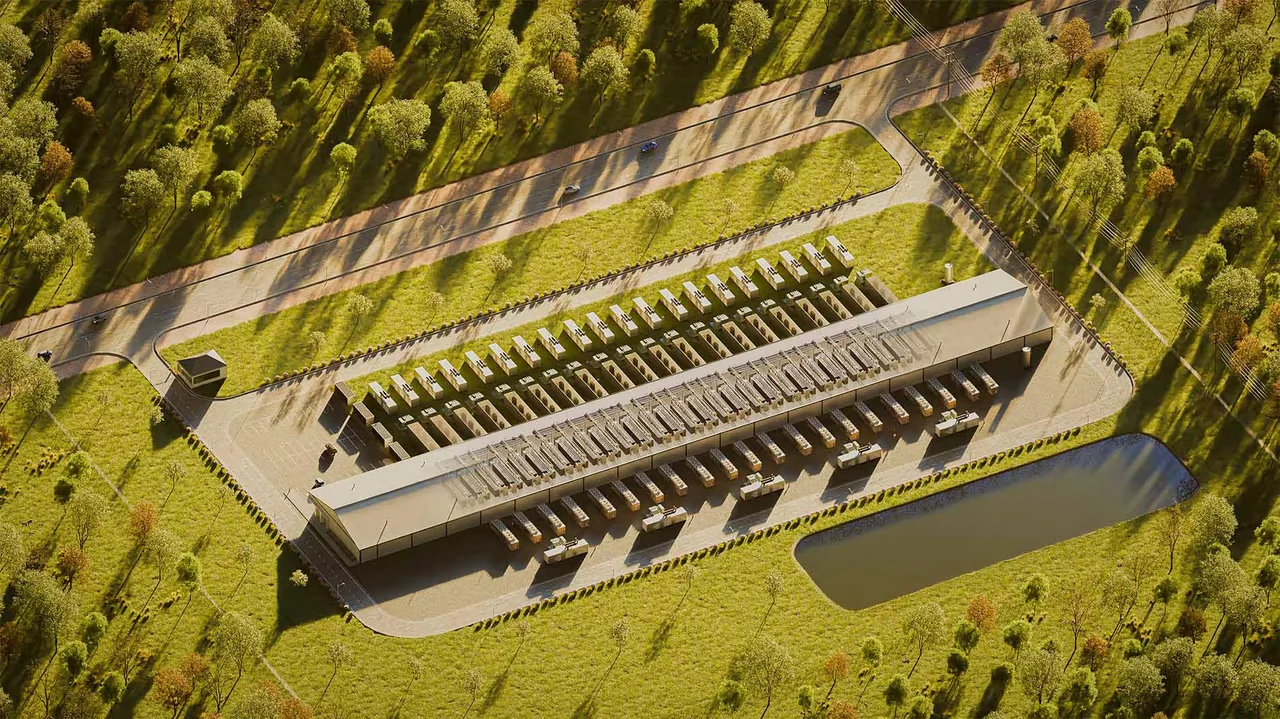
If you’re in the AI infrastructure and data center space, chances are you’ve heard the term “AI factory” in recent months. Often, the term is used interchangeably with “AI data center,” but do they actually describe the same thing?
The short answer is, not exactly.
The difference between an AI factory vs. an AI data center can have real implications for how a facility is designed, spec’d, and built. In this post, we’ll break down what each term means, the key differences between them, and what that means for the operators looking to build at scale.
AI factory vs AI data center: What makes an AI factory different
Let’s start with the nuances that separate an AI factory and an AI data center. An AI data center is the physical facility, including the building, power infrastructure, and cooling systems that house AI compute.
An AI factory is a newer term that describes not only a data center with the infrastructure to support AI loads, but also the training models and running inference. Jensen Huang of NVIDIA popularized this new term to shift the mental model about data centers from “buildings that store servers” to “facilities that manufacture intelligence.”
There are a few key differences between an AI factory and a conventional data center. AI loads require different infrastructure in terms of power density, cooling architecture, and redundancy. Let’s take a look at each of these areas and explore the design requirements you’ll need to meet for your AI facility:
- Power density: Traditional data centers were engineered for 5–15 kW per rack. AI factories running current-generation GPU configurations operate at 100 kW per rack and above.
- Cooling architecture: AI factories require direct-to-chip liquid cooling instead of air cooling. Cooling distribution units (CDUs) route chilled water directly to each GPU rack to dissipate heat generated by AI loads.
- Redundancy: AI factories operate at Tier 3 (N+1) redundancy at a minimum. In practice, that means every critical component has a backup, so that if anything goes offline, the system stays running.
Read more: Planning a data center deployment: A step-by-step guide
With these key distinctions in mind, let’s dig a little deeper into AI factories and what it takes to build and operate one.
The AI lifecycle: Why the workload defines the facility
Your AI workload will dictate your infrastructure needs. Understanding the AI lifecycle before you spec your equipment will help you design a data center that handles your facility’s unique needs.
The full AI lifecycle includes three distinct phases:
- Training: The computationally intensive process that requires high memory bandwidth and sustained GPU performance over long periods.
- Fine-tuning: Post-training optimization for specific applications, which often requires much more compute than traditional inference.
- Inference: The final stage, where trained models continuously generate outputs at production volume.
Some emerging compute patterns, such as test-time scaling, are raising the bar even further. If your facility isn’t designed for sustained, high-density load, you’ll have trouble scaling your AI factory.
The operators building and filling AI factories generally run one of two models: aggregating GPU capacity across many customers on a shared platform, or building single-tenant sites where one customer runs training or inference across the entire facility. Both require AI factory-grade infrastructure.
Constraints related to power and infrastructure
GPUs used to be the biggest bottleneck on AI compute buildout, but that’s no longer the case. Now, the main constraint is power and the physical infrastructure to support it. If you’re sitting on dormant chips, waiting for the sites you need to bring them online, you’re not alone.
Traditional greenfield-to-energized timelines run 18–36 months, which is way too slow for most AI operators and hyperscalers. The supply chain for critical infrastructure, such as distribution transformers and switchboards, is one of the main reasons these timelines run so long. Legacy manufacturers often quote lead times of over 40 weeks for custom equipment. Those long lead times, combined with delays and construction challenges, can compound into significant revenue loss over time by stretching out the build timeline.
Getting your power infrastructure right (and getting it built fast) matters more for AI factories than almost any other construction context.
Read more: Data center construction guide: Costs, timelines, and equipment
What it takes to build an AI factory
Building an AI factory requires a supply chain and a build process matched to what the facility will actually run. The infrastructure stack for a functional AI factory includes:
- Transformers and switchboards sized for the power volumes and density requirements of GPU-scale deployments
- Liquid cooling infrastructure, including CDUs, chillers, and dry coolers
- N+1 redundancy at every layer of the build
You’ll also want to work with a partner that engages in parallel construction and manufacturing. Instead of manufacturing or sourcing the critical electrical infrastructure and then starting on-site MEP work, the right partner will handle both in tandem, compressing your timelines and making the whole build go more smoothly.
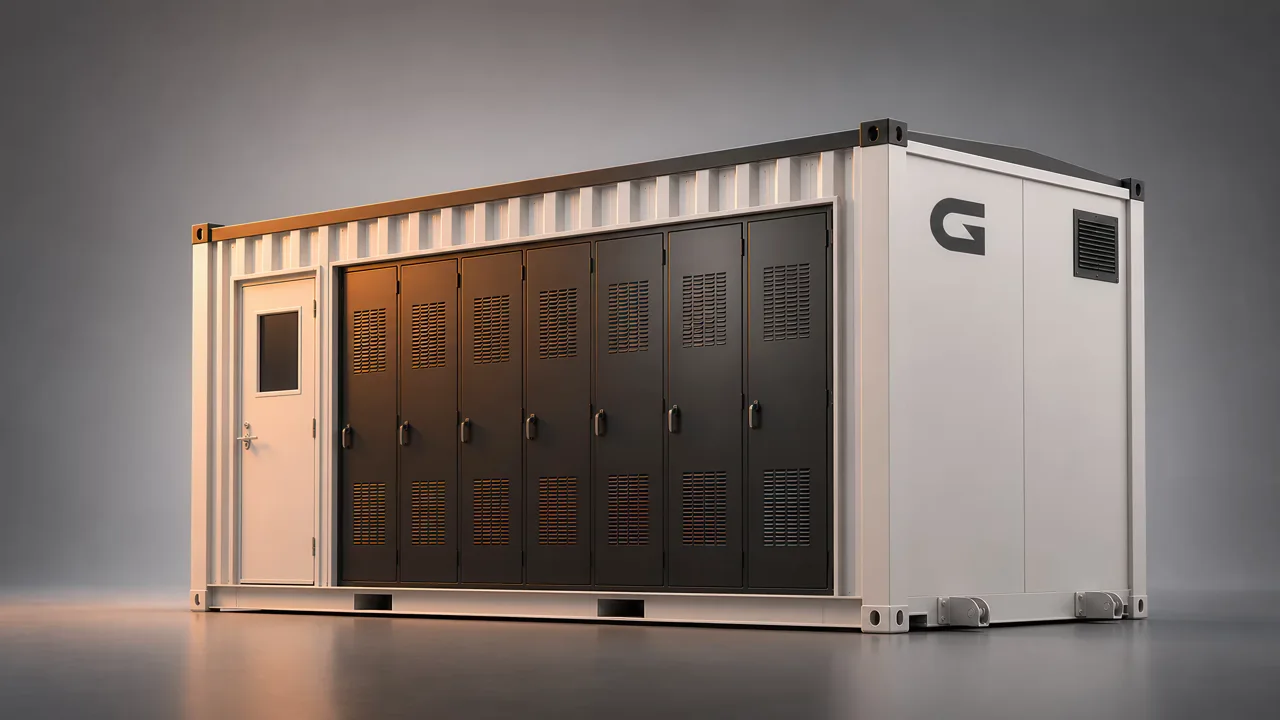
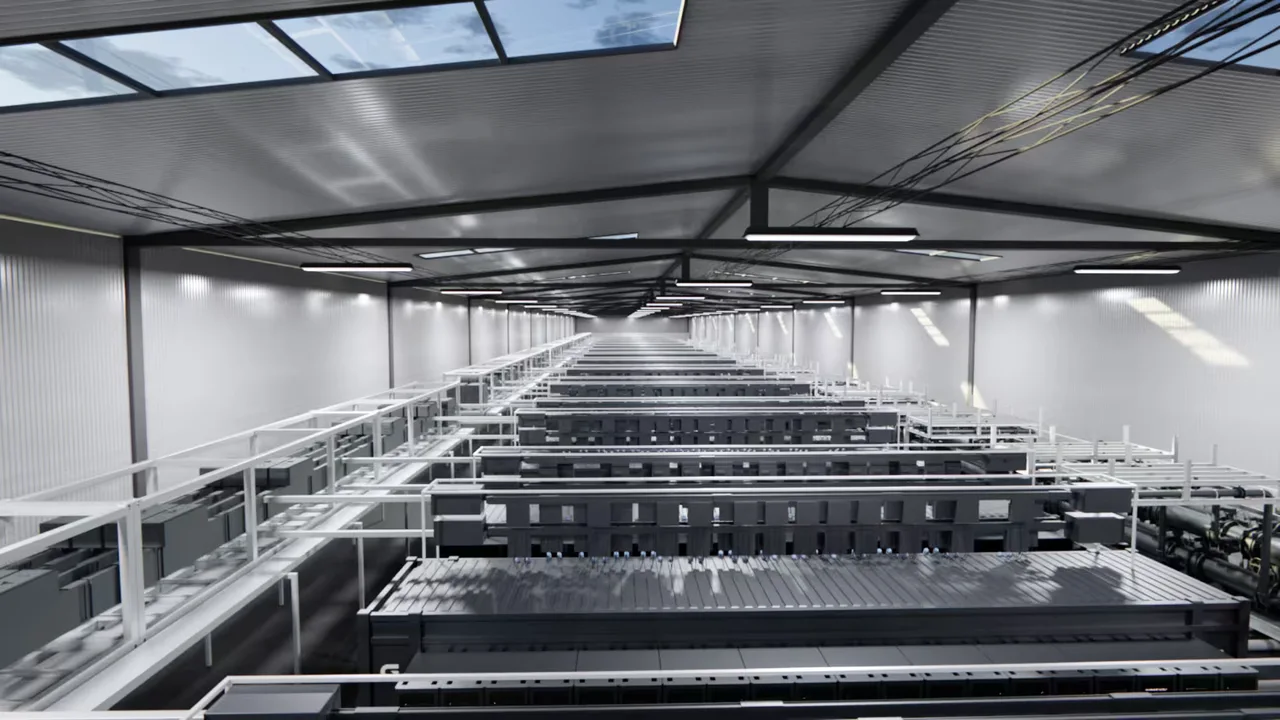
Giga's system is built on this model. Every element ships prebuilt, pretested, and precommissioned from our factories. Only power and cooling connections are made on-site. That approach reduces on-site MEP labor by 10x compared to traditional field builds and compresses total deployment time from multiple years to just nine months.
Read more: How Giga builds AI-ready data centers in 9 months
AI factory vs. AI data center final takeaway
As a brief recap, the difference between an AI factory and an AI data center is that an AI data center can refer to any facility with AI-capable compute, whereas an AI factory is infrastructure designed specifically to run the full AI lifecycle.
If you're planning an AI factory, not just an AI-capable site, the infrastructure has to be designed for that from day one. That starts with a partner who understands the difference between a spec sheet and a working system.
Get in touch with our team today to talk through what your build needs and how we can help.
.avif?w=1280)

.avif?w=1280)