A data center deployment involves a lot of moving pieces. When you’re working with multiple equipment vendors, utility connections, permitting, and more, it can be a challenge to stay on top of everything and keep your project on track.
This guide walks through the six steps of a data center deployment in the order they actually need to happen. Plus, we’ll share our expert tips and advice for making every step in your project go as smoothly as possible.
We cover site origination, team assembly, equipment sourcing, redundancy planning, testing, and cutover. If you stick to this sequence, you’ll give your project a real shot at hitting its go-live date.
Data center deployment basics
What exactly does a data center deployment entail? A deployment is the full process of planning, building, and commissioning a facility capable of running compute workloads. That process runs on three layers, all of which need to work together.
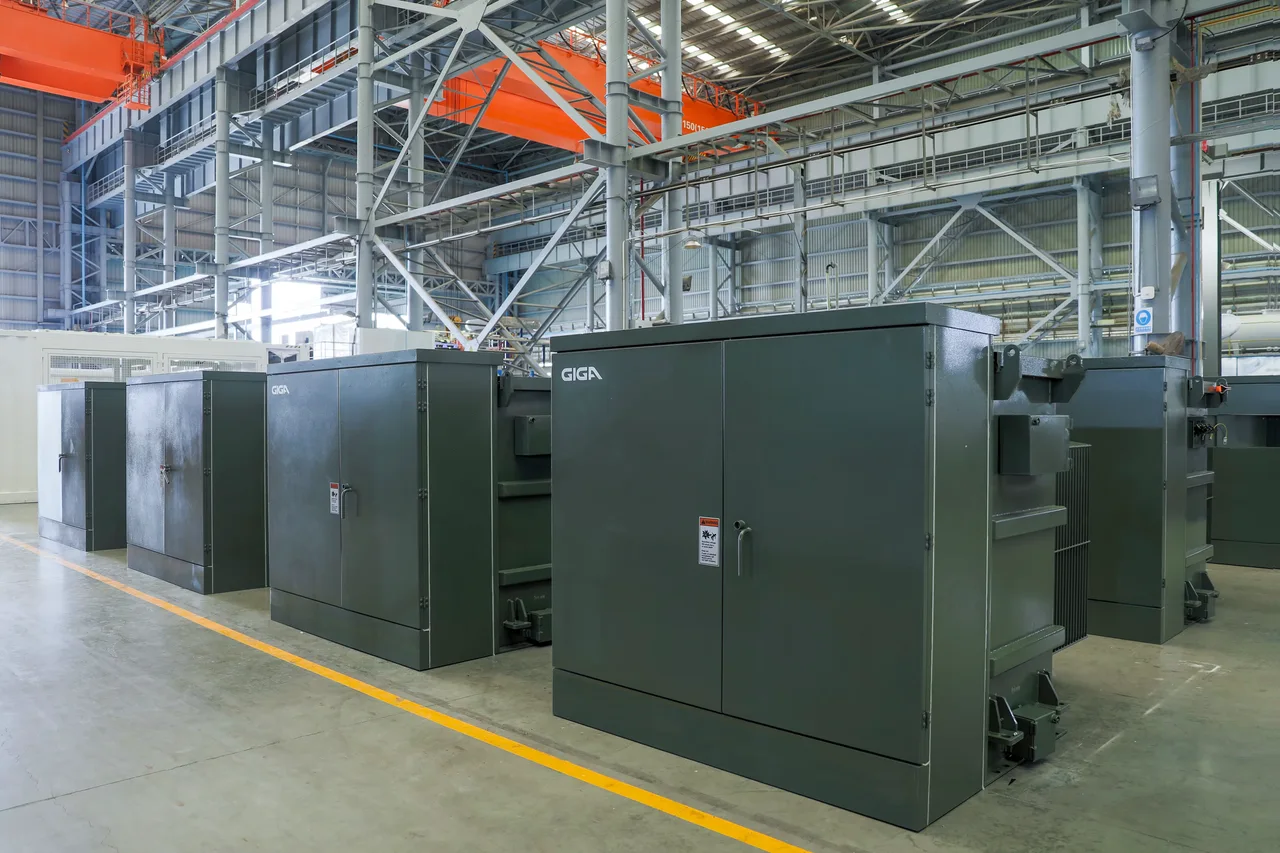
The first is power infrastructure. This layer includes the transformers, switchboards, and distribution equipment that take utility power and deliver it reliably to your equipment.
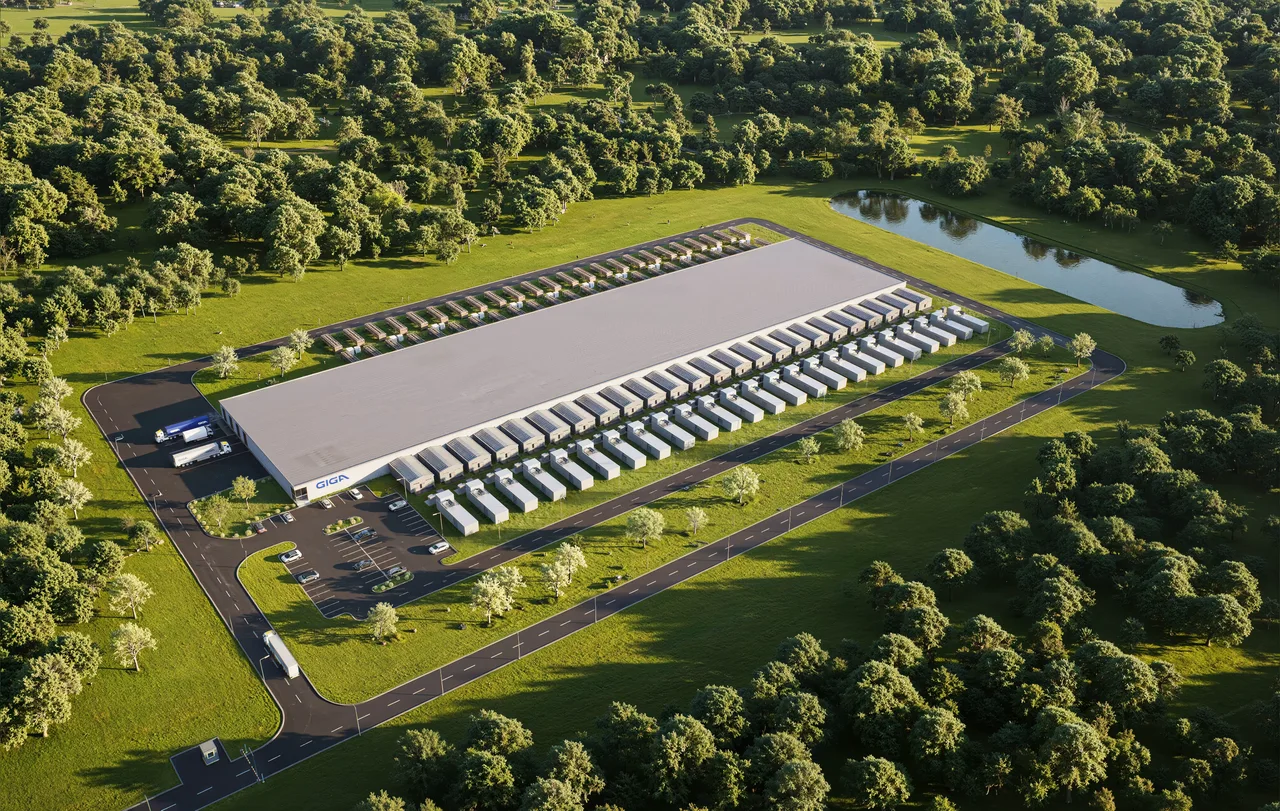
Next, you have the physical site, which encompasses everything else that makes the facility operational — the building, the land, the utility interconnection, and all the support systems, such as cooling, fire suppression, and physical security.
The third is your IT and operational layer. The servers, networking, software systems, and the people responsible for running them day to day all fit here.
Most teams go into a deployment thinking the hard part is the third layer. It's not. What actually kills data center timelines is long equipment lead times, sites that aren't grid-ready, and vendors who don't talk to each other, leaving your team to manage the gaps.
The rest of this guide walks through each phase of a data center deployment in sequence. We’ll cover what to do, what to lock in early, and where the projects that fall behind usually go wrong.
Read more: How Giga builds AI-ready data centers in 9 months

Step 1: Confirm your site selection and power requirements
Site selection is the foundation of your data center project. If you select the wrong site for your build, you’ll spend the rest of the project struggling to compensate for it.
You need to consider a few key criteria during site selection:
- Proximity to transmission infrastructure
- Available megawatts
- Relationship with the utility
- Fiber availability
- Permitting likelihood
When considering available megawatts, be sure to account for a few years of growth. If you size load capacity to where you are today, you’re cutting yourself off at the knees down the road. Be sure to also consider zoning, expansion potential, and redundant feed options. A site that looks clean on paper can still cost you months if the utility interconnection process is slow or the land has restrictions that complicate permitting.
The most common mistake teams make at this stage is underestimating interconnection timelines. Requesting a new utility interconnection can take 12 to 18 months in some markets. If you're building that assumption into your go-live date late in the process, you've already lost.
Get in touch with our team if you’re looking for available megawatts.
Step 2: Assemble the right project team
Next, you need to build your project team. Your team should include an executive sponsor who can clear budget and organizational roadblocks, engineers who can validate infrastructure specs, site and network leads responsible for physical and connectivity requirements, a procurement lead, and operations staff who will actually run the facility. If any of these seats are empty during planning, decisions will be made without the necessary input.
But don’t stop at your internal project team. You also need to partner with the right people to ensure your data center deployment goes smoothly. But don't stop at your internal project team.
The vendors and partners you bring in need to be accountable, responsive, and able to make decisions quickly when the project demands it. That's a short list in this industry. Too many deployments are managed across half a dozen different vendors. In that situation, you have multiple people who each own a slice of the job, but no one owns the outcome. When something goes wrong, and something always does, that structure makes it nearly impossible to get a fast answer from anyone.
If you want an end-to-end data center deployment partner, get in touch with our team.
Infrastructure and procurement decisions need to happen in parallel with planning, not downstream from it. By the time your site plan is finalized, your equipment orders should already be in motion — and the people responsible for delivering them should already know your project.
Step 3: Source your infrastructure equipment
Transformers, switchboards, and PDUs are long-lead items, and they're not the only ones. Chillers and generator sets often have even longer lead times. In the legacy market, transformer lead times can run 40 to 65 weeks, and switchboards aren't much better. If you're waiting until your site plan is finalized to start those conversations, you've built a delay into your project that no amount of project management will fix.
When specifying equipment, you need to know your voltage requirements, your load profile, and your redundancy standard (N+1 is the baseline in this industry). Build that into your specs from day one, and be sure to start your equipment conversations early on in your data center project to avoid delays down the line.
Giga owns our entire supply chain from end to end, which changes the math on estimated lead times. We manufacture transformers and switchboards in-house instead of sourcing them from third-party manufacturers, allowing us to offer best-in-industry lead times on these key infrastructure pieces.
Step 4: Plan for redundancy
We’ve discussed redundancy in passing, but it’s important enough that it deserves its own step. Industry uptime expectations sit at 99.99% or higher. Your facility can’t afford to go down, so your critical systems need to be designed with a backup.
N+1 redundancy is standard, which means that, for every critical component, there is one additional unit beyond what is needed to meet the load. Having these dual power feeds, redundant cooling loops, and automatic failover at critical junctions is what will help you stick to your uptime SLAs.
Disaster recovery planning belongs in the same conversation as redundancy. Backup power needs to be sized for full load, not partial coverage. You should also know how long your facility can operate on backup power, and how quickly it can recover from a full outage before you break ground.
Read more: Data center construction guide: Costs, timelines, and equipment
Step 5: Have a dry run before go-live
If you skip a proper test phase, you’re setting yourself up for unnecessary stress. Without a dry run, you’ll spend your first 90 days in production putting out fires you could have caught in a controlled environment pre-launch.
Before you commit production workloads to a new facility, stress-test it. That means running load scenarios that reflect what peak operations actually look like. Test failover, cut a power feed and see what happens and take the time to verify that your redundant systems engage the way they're supposed to.
Testing might feel like it’s slowing you down, but look at it this way: A failed test in a controlled environment costs you a day. A failed failover in production can cost you a client.
Step 6: Execution and cutover
By the time you're ready for cutover, the work should largely be done. What remains is executing the plan you built.
Set a firm go-live date and hold it. Communicate the timeline to everyone it affects, including your internal team, your vendors, and your end users. Ambiguity at this stage creates confusion, and confusion creates mistakes.
This is another step where fragmented vendor arrangements can cause unnecessary stress. When you’re managing multiple separate vendors during your cutover window, it’s easy for things to turn into a game of Telephone. That’s the argument for having a single partner who’s accountable from spec to site to keep things simple.
You have two basic cutover approaches:
- Hard cutover: Flip to your new environment all at once on a set date and time.
- Phased cutover: Migrate a portion of your workloads first, then phase in the rest.
Hard cutovers are cleaner and faster, but phased cutovers give you a fallback if something unexpected surfaces in production. There’s no set answer for which approach is best; just choose which feels right based on how much confidence your dry run gives you.
After cutover, plan for two to four weeks of dedicated support coverage. Your engineers, your database administrators, and your operations team need to be available and focused on handling the issues that will inevitably surface.
Start your data center deployment with the right partner
The teams that hit their go-live dates have a few key things that set them apart from the ones that don’t. They start earlier, lock in infrastructure and equipment before timelines get tight, and work with partners who are responsive and accountable.
That's what Giga is built to do. We manufacture the transformers and switchboards. We develop and energize the sites. One partner, one point of contact, from the first spec to the day you're online.
We have gigawatts of experience in the manufacturing and development of sites. We know what fast looks like, and we know what gets in the way. Whether you're planning a new site or need equipment now, we can help you move faster than the traditional supply chain will allow.
Build a quote or talk to the Giga team to get started.
.avif?w=1280)