When it comes to transformer safety, there is very little margin for error. When you’re working with high voltages and power loads, the right safety practices and procedures can spell the difference between reliable operations and catastrophic transformer failure.
Transformer safety standards exist at every stage: design, installation, operation, and maintenance. These standards define how equipment is built, installed, monitored, and serviced.
Understanding these standards protects people, prevents equipment damage, and keeps your operation running.
In this post, we’ll break down everything you need to know to keep your site running smoothly and safely.
Understanding transformer safety standards and their purpose
Transformer safety standards are the industry guidelines governing the design, installation, operation, and maintenance of transformers. When you follow these standards, you can prevent equipment failure and protect people from injury and harm.
These safety standards are the result of decades of field testing and lessons learned from transformer failures. When a transformer is built to standard, it means someone has put care and consideration into preventing major known failures and inefficiencies.
Several different standard-setting bodies exist in the power and electrical industry.
- UL (Underwriters Laboratories): Product safety certification.
- IEEE (Institute of Electrical and Electronics Engineers): Technical standards for design and testing, primarily the C57 series. These standards define everything from temperature rise limits to short-circuit withstand capabilities.
- NEMA (National Electrical Manufacturers Association): Manufacturing and performance standards for consistency across products and manufacturers.
- ANSI (American National Standards Institute): ANSI is a body that coordinates and approves standards across industries and aligns the different regulatory bodies on the standards that matter most.
- NEC (National Electrical Code): Installation requirements covering grounding, overcurrent protection, and clearances.
Standards vary depending on your voltage class, transformer cooling method, and application, but many of the core principles stay the same. You want a transformer that has been built properly and installed correctly, and once you have that, you need to take the right steps to maintain it.
With this foundation in mind, let's break down how these standards apply across the transformer lifecycle.
Read more: Types of Transformers (and What They're Used For)
Design and manufacturing safety standards
The first type of safety standard comes during the design and manufacturing of a transformer. During the design process, designers and manufacturers need to consider IEEE standards. The IEEE C57 series defines the technical backbone of transformer design. These standards dictate temperature rise limits, insulation class ratings, and short-circuit withstand capacity.
Manufacturers also need to consider material standards. The type of insulating fluid, the grade of core steel, and whether windings use copper or aluminum all impact transformer performance and safety. These standards and ratings are established and validated during testing.
UL certification comes into play at this stage in the process. A UL badge on your transformer’s nameplate is proof that the unit has been tested against defined safety benchmarks and passed.
Some of the safety features mandated by IEEE and UL design and testing standards are:
- Basic impulse (BIL) and test voltage rating for bushings and windings
- Short-circuit withstand
- Tank pressure withstand
- Temperature monitoring (not always required)
It’s also wise to monitor pressure relief devices, though not required.
Before any transformer leaves the factory, it must undergo factory acceptance testing (FAT), dielectric testing, and impulse testing. These tests validate that the unit can handle real-world conditions and fault scenarios, ensuring your facility stays safe and operational.
Installation safety standards and best practices
NEC Article 450 lays out the necessary requirements for transformer installation. Following them is essential to keep transformer installations safe and compliant. The NEC outlines the requirements related to:
- Clearances and ventilation
- Overcurrent protection
- Grounding and bonding
- Secondary protection.
Transformers require adequate service entrance clearances to ensure crews can work safely. Safety barriers, lockout/tagout provisions, and clear labeling are critical to prevent unauthorized access and accidental contact with energized equipment.
Your transformer type will impact your foundation and mounting standards. A padmount requires a properly sized concrete pad with correct groundings, whereas an indoor transformer requires a fire-rated enclosure and appropriate ventilation. Substation transformers require fencing and visible warning signage to keep unauthorized people at a safe distance at all times.
Interconnection safety is another critical element. Proper termination, surge protection, and coordination with medium-voltage switchgear are key to ensuring the transformer integrates safely with the rest of your system.
Only trained, authorized personnel should handle transformer installation. When you ensure your transformers are installed correctly, you prevent rework, project delays, and safety incidents.
Operational safety protocols and monitoring
Once a transformer is installed and energized, operational safety protocols become critical. These standards govern how personnel interact with the equipment, how the transformer is monitored, and how you should handle an emergency situation, should it arise.
Lockout/tagout (LOTO) procedures are mandatory under OSHA 29 CFR 1910.147. Before anyone works on a transformer, it must be de-energized, locked out, and tagged to prevent accidental re-energization.
Personal protective equipment (PPE) requirements are equally strict. Anyone working near energized equipment needs arc-rated clothing, insulated gloves, and face shields per NFPA 70E standards. Arc flash hazard analysis, based on IEEE 1584 calculations, determines safe approach boundaries and required PPE levels for each piece of equipment.
Next, you need to consider your monitoring systems. Your transformer should include several monitoring systems that help you catch problems before they become failures:
- Temperature monitoring tracks oil and winding temperatures to detect overheating.
- Pressure and vacuum gauges indicate internal conditions.
- Dissolved gas analysis (DGA) on oil-filled transformers identifies developing faults by analyzing gases released during insulation breakdown.
You also need to monitor loads to ensure you’re not pushing your transformer beyond its rated capacity. Respect ambient temperature derating and monitor power factor to avoid unnecessary losses and stress on the equipment.
Finally, when it comes to emergency procedures, you need to lay these out clearly and rehearse them before they are needed. Set up and practice responses to overheating, oil spills, and equipment fires. Hopefully, you’ll never need to use these emergency measures, but to comply with safety standards, you need to be prepared.
Inspection and maintenance standards
Complying with transformer safety standards also requires regular maintenance and inspections. Regular maintenance prevents failures, keeps you compliant, and extends the life of your equipment, saving you money and hassle in the long run.
NETA (InterNational Electrical Testing Association) standards define maintenance testing procedures that provide a consistent framework for keeping transformers in safe operating condition. Some key maintenance activities to keep in mind:
- Check oil levels and condition: Low oil or contaminated oil reduces cooling capacity and increases failure risk.
- Inspect bushings, gaskets, and seals: Leaks indicate that you need to replace these components.
- Test protective relays and alarms: Verify that safety systems will work when needed.
- Verify grounding connections: Loose or corroded grounds create shock hazards and equipment damage during faults.
- Clean cooling systems: Dirty fans, radiators, and air filters make it harder for your transformer to deal with heat effectively.
- Check for corrosion, rust, or physical damage: External damage can indicate internal problems and create new failure points.
How often should you inspect your transformer? Your inspection schedule depends on your equipment and application. As a general rule of thumb, you’ll want to conduct visual inspections either monthly or quarterly. Once per year, you may need to conduct thermographic surveys to identify hot spots and oil analysis to check for degradation or contamination. Finally, you should plan for comprehensive electrical testing every three to five years or per your manufacturer’s guidelines.
Keep records of all inspections, tests, and repairs for compliance and warranty purposes. If something fails, you'll need proof you maintained it properly.
Safety standards for specific transformer types
While the core safety principles we’ve discussed so far apply across the board, different transformer types come with their own specific requirements. Your transformer’s installation environment, voltage class, and application all influence what standards apply and how they're enforced.
Padmount transformers
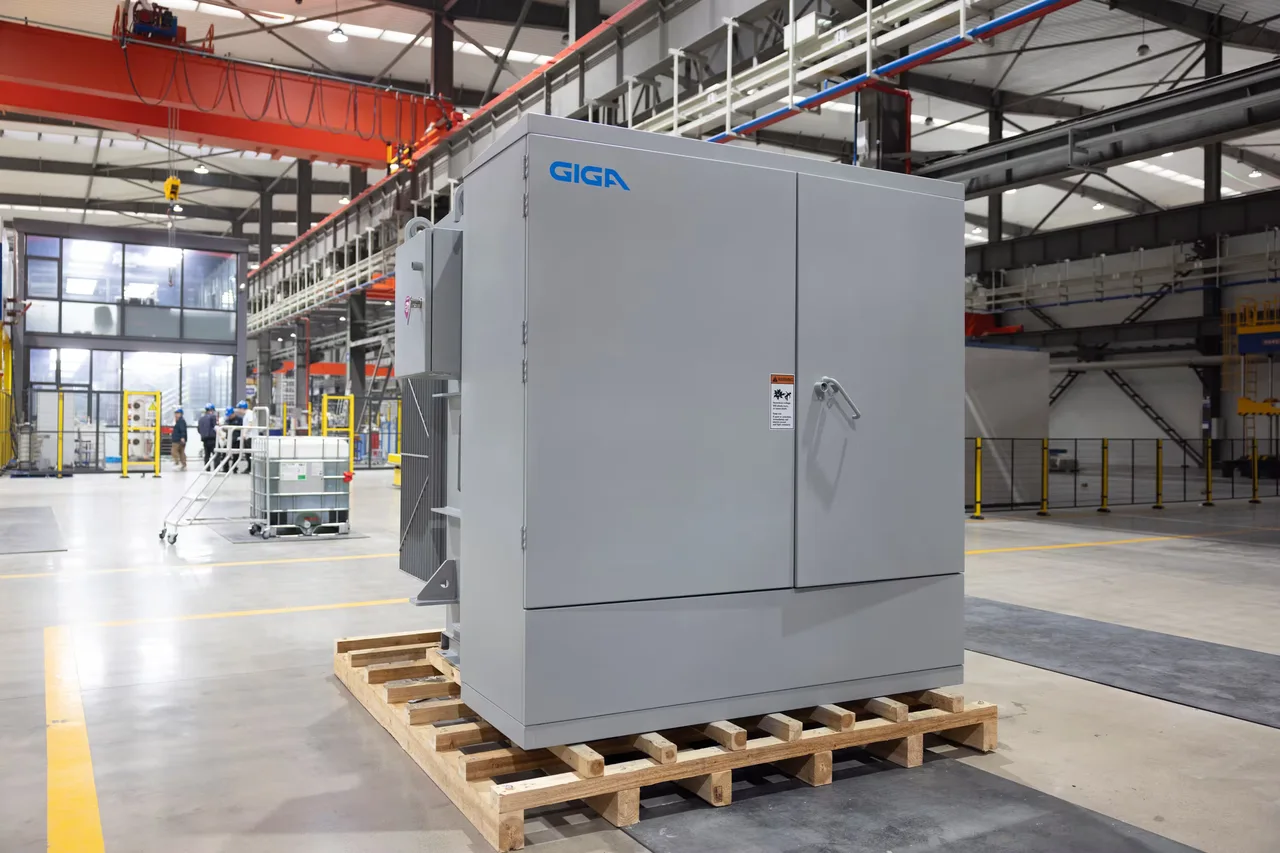
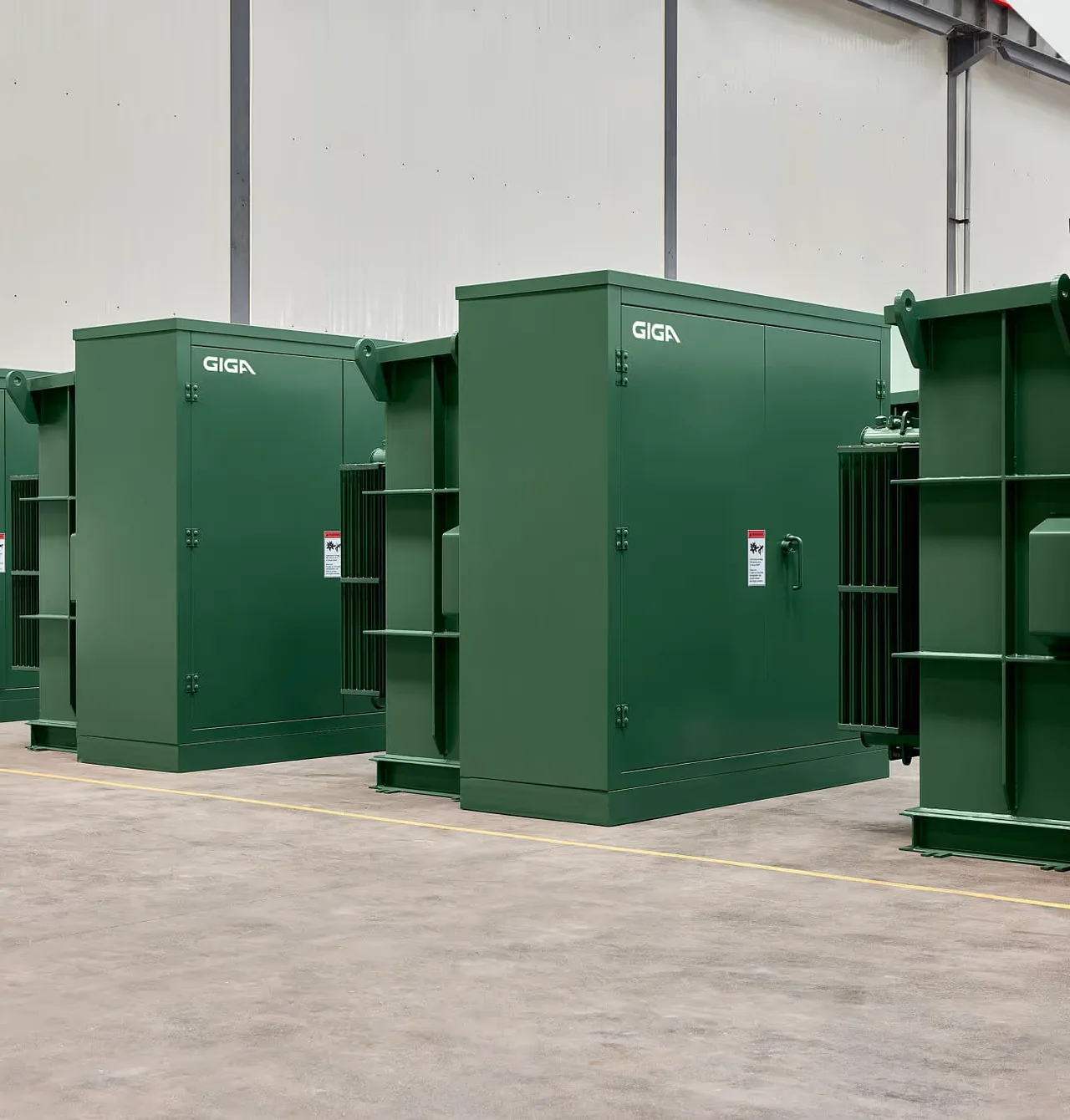
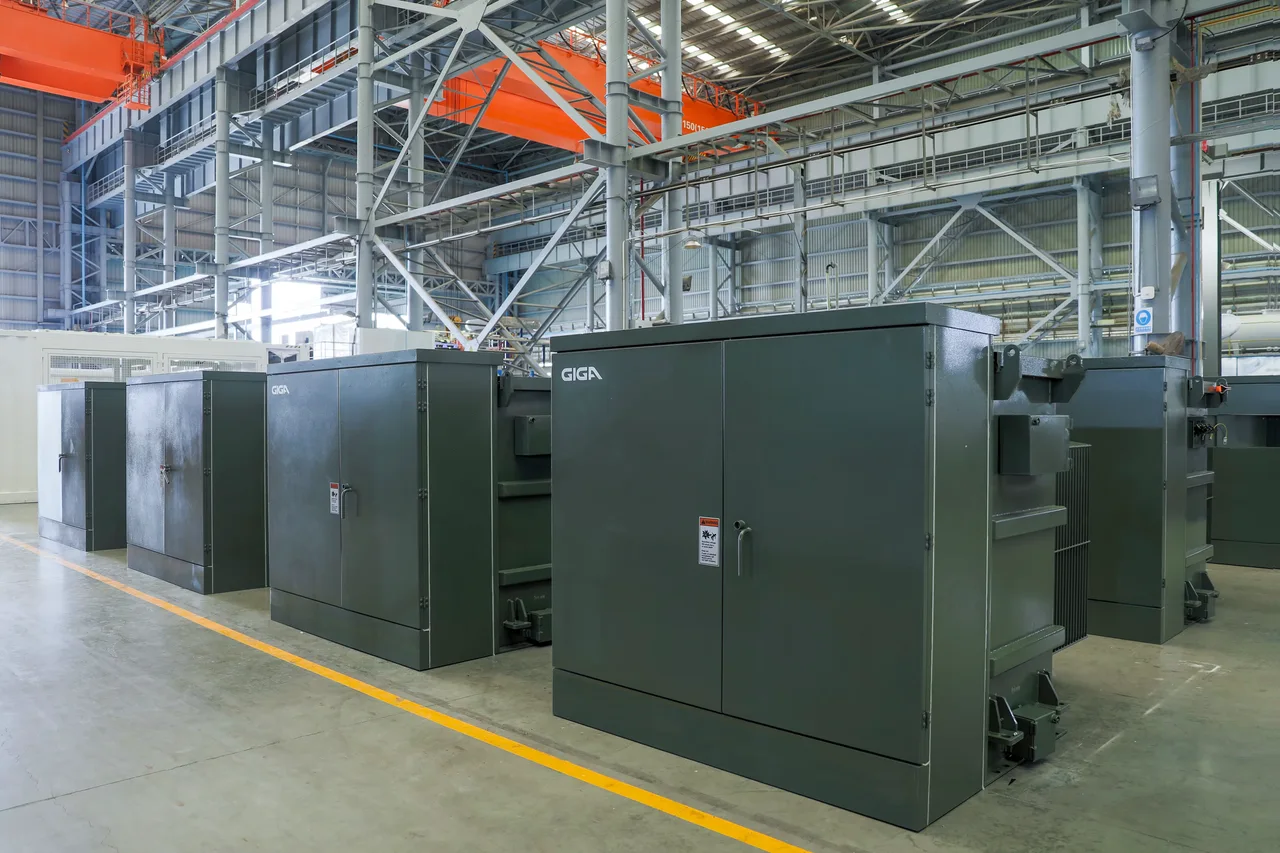
Padmount transformers sit at ground level, often in residential or commercial areas, which makes public access one of your biggest safety concerns. Transformer safety standards require tamper-resistant locks and clear warning signage to keep unauthorized people out.
Clearances are another critical consideration for padmount units. It is best practice to maintain at least 10 feet from buildings, vegetation, and other obstructions. This space gives utility crews safe access for maintenance and prevents debris buildup that could block ventilation or create fire hazards.
Dry-type transformers
Dry-type transformers are typically installed indoors, where the focus is shifted to fire safety. NEC 450.21 requires proper ventilation and separation from combustible materials. While dry-type transformers may not utilize oil cooling, they still generate significant heat and can ignite nearby materials if clearances aren't maintained.
Ventilation is one of the most important considerations for dry-type installations. Without adequate airflow, the transformer overheats, insulation degrades faster, and failure risk climbs.
Substation transformers
Substation transformers handle higher voltages and larger power loads, so safety measures scale up. Fencing and restricted access keep the public out. You’ll also have large volumes of insulating oil in units this size, so you must put fire walls and oil containment systems in place to address the associated risks.
Finally, implement wildlife protection in the form of bird guards and animal barriers to prevent outages caused by animals contacting energized components.
Special considerations for application-specific requirements
Data centers, mining operations, and other facilities often introduce specialized demands that go beyond standard transformer specifications. Some key factors to evaluate:
- Harmonic loads: High-frequency computing equipment generates harmonics that create additional heat and stress on transformer windings. K-factor-rated transformers are designed to handle these conditions.
- Seismic conditions: Sites in earthquake-prone regions require seismically certified transformers that can withstand and continue operating after seismic events.
- Altitude: High-altitude installations affect cooling efficiency and dielectric strength. Transformers operating above certain elevations may require derating or enhanced cooling provisions.
- Ambient temperature range: Extreme heat or cold impacts transformer performance and lifespan. Sites with wide temperature swings or consistently high ambient temperatures need transformers designed for those conditions.
Work with an experienced engineering team to identify which application-specific factors apply to your site to specify your equipment appropriately.
Ensuring transformer safety standards compliance for long-term reliability
Transformer safety standards are critical at every stage of the transformer design, installation, and operation process. Compliance with these standards helps you avoid fines, protects your crew, and prevents or mitigates costly failures, keeping your operation running.
If you want to keep your site running smoothly and safely, you need to partner with manufacturers and service providers who prioritize safety and quality. The cheapest option isn't always the safest, and downtime costs more than doing it right the first time.
Whether you're spec'ing new equipment or maintaining existing assets, Giga Energy combines safety-first engineering with responsive service. We build to standard, ship on time, and back it up with support that doesn't disappear after delivery.
Need transformers, switchboards, or complete site solutions built to the highest safety and quality standards? Giga Energy delivers UL-listed equipment, fast lead times, and dedicated support from drawings to delivery. Build a quote or contact our team to discuss your project.
.avif)