.avif?w=1280)
Transformer failure is a leading cause of downtime in crypto mining operations, most commonly bitcoin mining, and choosing the wrong transformer will only increase it.
When you undersize for capacity, mismatch voltage, or choose a configuration that can’t handle harmonic distortion, your equipment will break down much faster than it should.
This guide walks through everything you need to know to choose transformers that actually work for crypto mining. We'll cover voltage selection, transformer types, critical configurations, and common pitfalls that lead to premature failures.
Understanding power requirements for transformers for crypto mining
Crypto mining isn’t the typical electrical load, so if you want to select the right transformer for the job, you need to understand exactly what you need the system to handle
Your utility delivers power at medium or high voltage, but your mining rigs need low voltage. Transformers bridge that gap, and choosing the right voltage configuration is critical to minimizing downtime and keeping operational costs manageable.
The key when sizing your transformers is to remember one critical tip: don’t spec transformers to run at 100% capacity. Mining loads generate heat and harmonic distortion that stress electrical systems beyond their nameplate ratings, so when sizing transformers, be sure to allow some headroom in capacity.
Size transformers to operate at 80% of their rated capacity. This 20% buffer accounts for the heat generated by continuous operation and the triplen harmonics produced by ASIC power supplies, helping you prevent downtime.
With this sizing best practice in mind, let’s explore the ins and outs of how you can choose the right transformer for your bitcoin mining operation.
Selecting the right transformer voltage configuration
When specifying your transformer’s voltage configuration, you need to consider two things: what your utility delivers and what your ASICs require. Your transformer needs to be compatible on both sides to convert power efficiently and energize your equipment safely.
Most North American utilities deliver power at one of these medium voltage levels:
- 12.47kV: Common in rural and industrial areas
- 13.8kV: Standard in many municipal areas
- 24.94kV: Typical for larger utility feeds
- 34.5kV: Used for high-capacity industrial sites
Your mining equipment operates at low voltage, meaning your output options are 240V or 277V. Most mining operations find the 240V configuration works well for their use case.
Transformer types: Padmount vs. substation transformers
When deciding between a padmount transformer and a substation, your ideal fit depends on the size of your operation. A small to mid-sized site needs a different transformer type from a utility-scale operation.
Let’s briefly explore the differences between padmount and substation transformers to help guide you toward the right type of transformer for your mining operation.
Padmount transformers
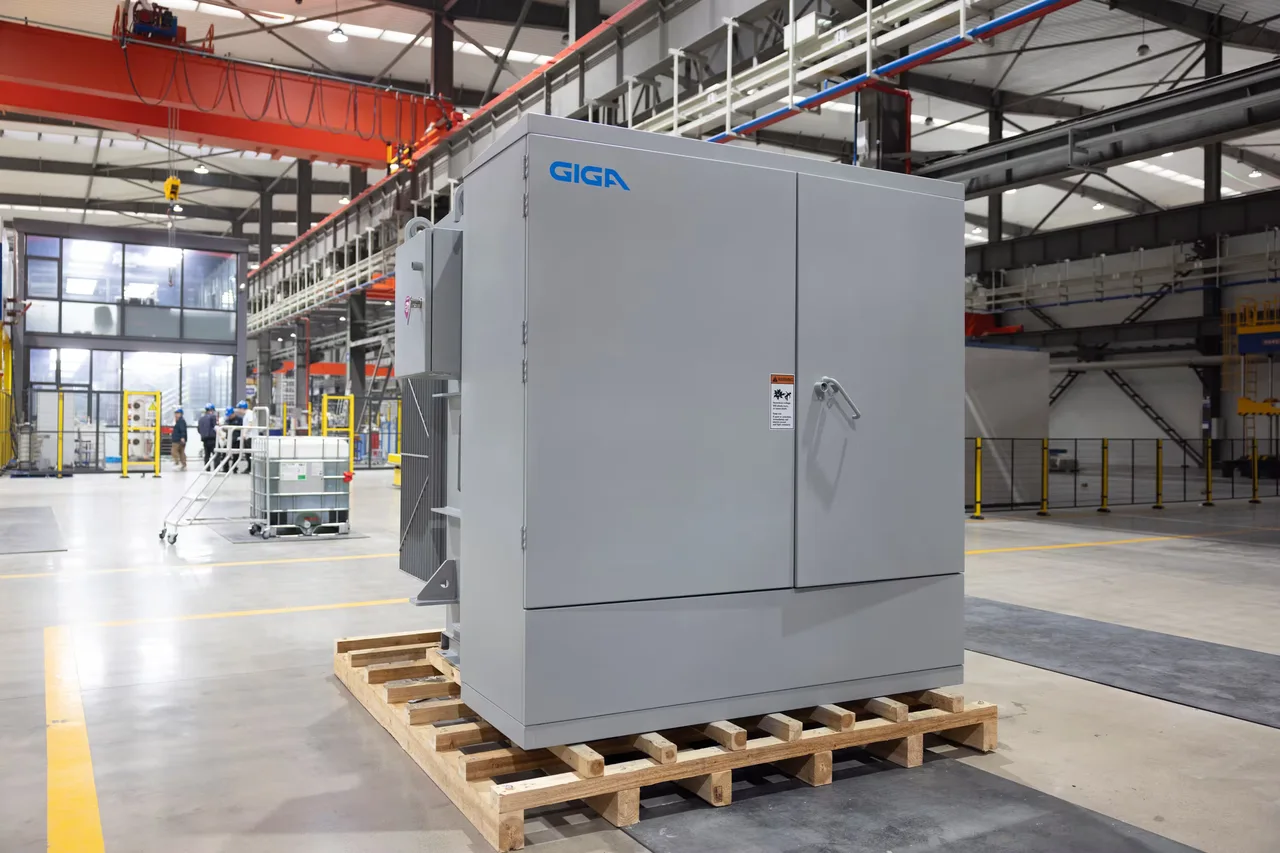
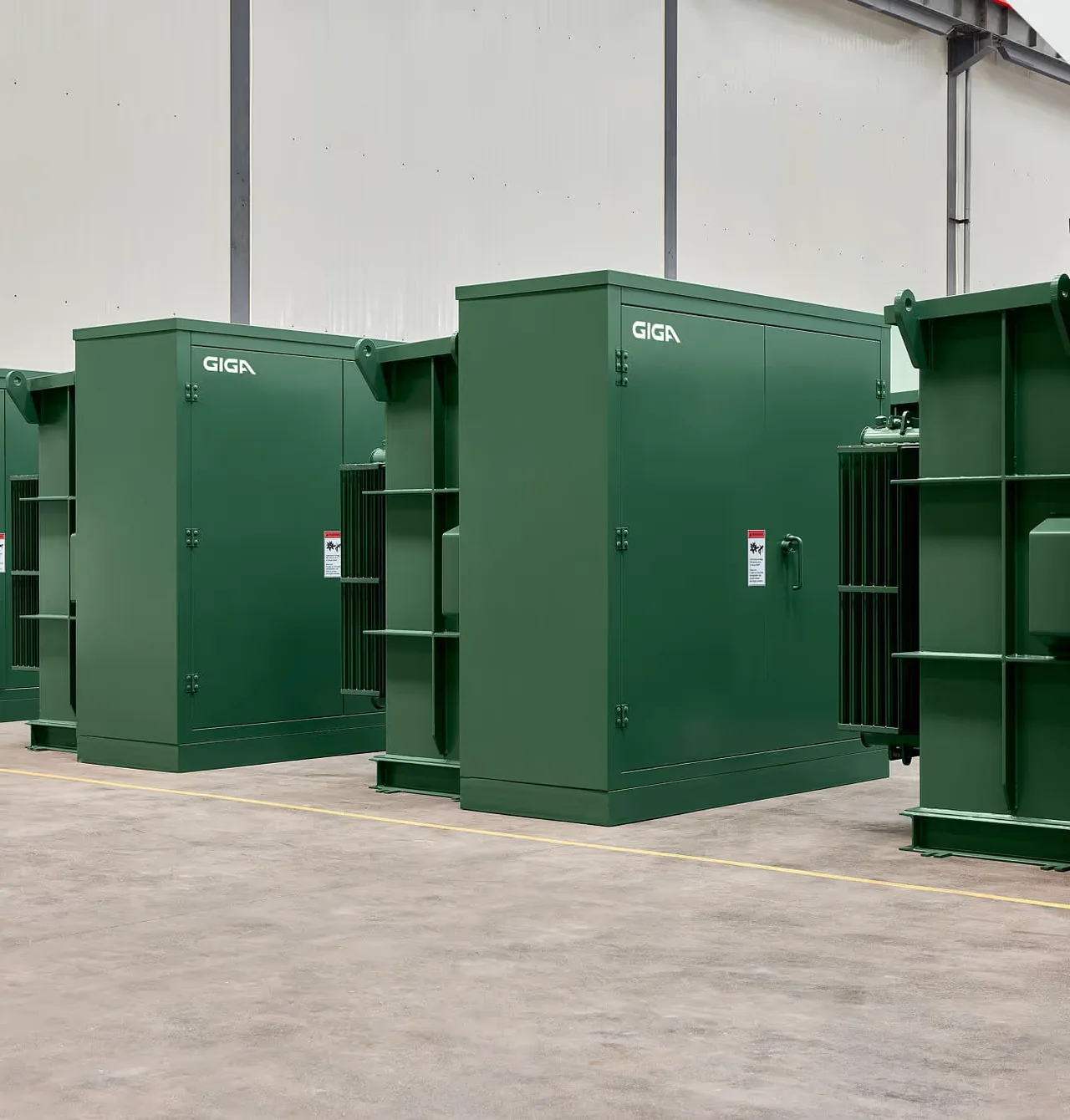
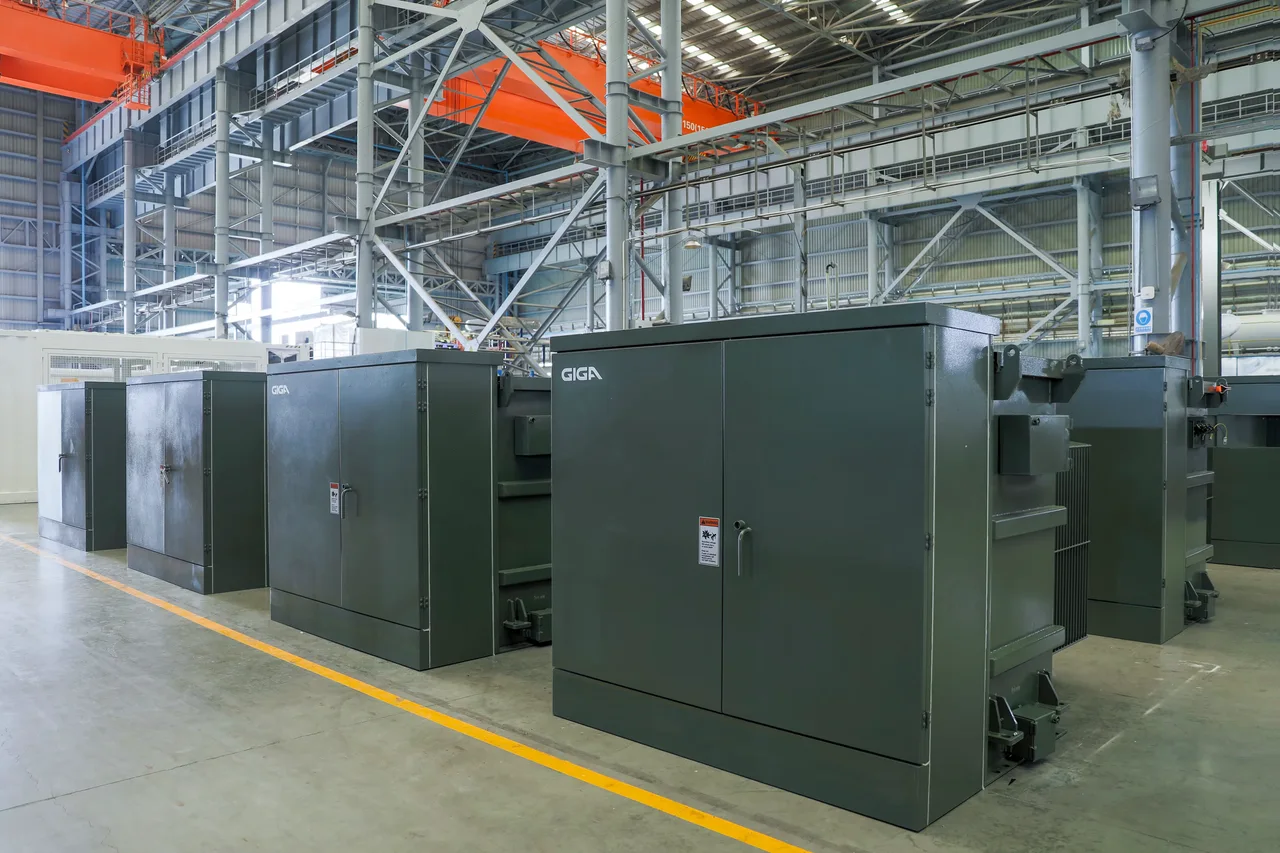
A padmount transformer is the right choice for modular and container-based mining operations and sites under 5MW that need fast deployment. Padmount transformers have weatherproof enclosures where all components are secured in lockable, ground-mounted cabinets. This type of transformer is also simpler to get permits for, and a padmount build will have less regulatory red tape than a substation build.
Substation transformers
Large-scale operations over 5MW will require a substation transformer. These units can handle higher input voltages for these large-scale deployments. A substation transformer will have integrated protection in the form of switchgear, circuit breakers, and surge arresters, but it will come with a higher upfront cost. Additionally, due to the size and scope of these units, the cost of downtime is significantly higher, often clocking in at six figures per hour.
Oil-immersed vs. dry-type transformers
Bitcoin mining puts transformers under constant thermal stress, so your choice of cooling technology is even more critical than it is in other types of transformer applications.
You have two main options related to cooling methods: oil-immersed or dry-type transformers. Oil-immersed transformers use mineral oil or natural ester fluids to manage heat. These transformers can handle continuous, high-power loads more effectively than dry-type transformers, but they do require routine service and maintenance to stay safe and functional.
Dry-type transformers skip the liquid cooling, using fans to keep temperatures manageable. These units have a lower fire risk and are often required for indoor installations. However, most mining operations overwhelm a dry-type design, so you’re most likely to find success with an oil-immersed transformer.
Cooling methods matter too. ONAN (Oil Natural, Air Natural) is the passive baseline. ONAF (Oil Natural, Air Forced) adds fans to boost heat rejection when loads spike. For mining operations that never throttle down, fan-assisted cooling is going to be your best bet.
Critical configuration considerations
How your transformer’s windings are connected impacts your voltage stability, how well the system handles electrical distortion, and the overall efficiency of your setup. Let’s explore some critical considerations to keep in mind when it comes to your transformer’s configuration.
Delta-Wye is the industry standard configuration for mining. This approach uses a Delta primary and a Wye secondary to handle voltage safely and efficiently on both the high- and low-voltage sides of the transformer.
ASIC rigs tend to generate high-frequency loads that stress electrical systems, so you’ll also want to consider K-factor ratings. Standard transformers aren’t designed for the harmonic distortion crypto mining produces, so you need to spec transformers with K-13 ratings or higher.
Some utilities require GWI (Grounded Wye Input) on the primary side for added fault protection. Check with your utility before finalizing transformer specs.
Avoiding common transformer failures in mining operations
Transformer failures are expensive in any facility, but for bitcoin miners, downtime translates directly to lost revenue.
- Overheating is the leading cause of transformer failure in mining. Continuous high loads generate heat. Undersized transformers, poor airflow, or inadequate cooling systems just make that problem worse.
- Prevention: size correctly, use oil-immersed units with active cooling, and ensure proper ventilation around installations.
- Nuisance tripping comes from inrush current or grounding issues. Transformers that aren't engineered to minimize startup surge will pop breakers.
- Prevention: verify your grounding configuration matches both utility requirements and equipment specs.
- Compromised insulation happens when thermal stress degrades internal components. Cheaper materials fail faster under mining loads.
- Prevention: invest in transformers with quality construction and insulation from the beginning.
Often, premature transformer failure points to a mismatch in sizing or configuration, so you can help avoid these failures simply by specifying the right equipment. However, poor maintenance is another leading cause of transformer failure, so be sure to follow all maintenance guidelines to the letter to keep your operation running smoothly.
Lead times, certifications, and quality standards
Once you’ve specified the right transformer, how long will it take to arrive on site? Custom transformers take time to engineer and manufacture. Standard lead times can run around 30 weeks, depending on specifications and manufacturer capacity. If your mining operation is racing to get online ahead of the competition, that timeline can be a killer.
Giga keeps mining-specific transformers in stock and streamlines production for custom builds. We leverage full control of our supply chain to cut lead times in half without cutting any corners on quality.
Speaking of quality, you need to ensure your transformer meets some industry standards. UL-listed transformers have met third-party safety standards, and you’ll want your transformer to comply with ANSI/IEEE design and performance standards.
Request factory test reports, material certifications, and third-party inspection documentation before finalizing your purchase. These documents prove the transformer was built to spec and tested under load before it shipped.
Total cost of ownership considerations
The cheapest transformer upfront isn't always the cheapest in the long run. Mining operations run 24/7, which means energy efficiency and reliability matter more than initial purchase price.
Energy losses happen in two ways: no-load losses from core magnetization and load losses from resistive heat in the windings. Even small efficiency improvements can result in significant savings after several years of operation.
Copper windings are more expensive than aluminum, but they perform far better in mining environments. Copper has better electrical conductivity and thermal performance under heavy load. Aluminum is cheaper upfront but less efficient and more prone to failure, which can cost you more over time.
Warranty coverage and support availability is another critical consideration. Working with a reliable supplier may not be as inexpensive as a less involved vendor, but when you have a challenge or a failure, you’ll save yourself time and stress by working with a supplier who answers the phone and ships replacement parts.
Choosing the right transformers for crypto mining: Next steps
Your transformer is the core of your bitcoin mining operation, and you can’t afford to get the specifications wrong. Following the information in this post, you should be able to spec the right transformer to keep your operation online and profitable.
Giga builds transformers specifically for mining operations. Our team has the field experience to guide transformer selection based on your site's actual requirements rather than relying on generic specs. We stock the most common mining configurations for fast deployments and manufacture custom solutions with lead times that won't stall your project timeline.
Ready to power your mining operation with the right transformers for crypto mining? Build a custom quote or book a call with our team today.
.avif?w=1280)