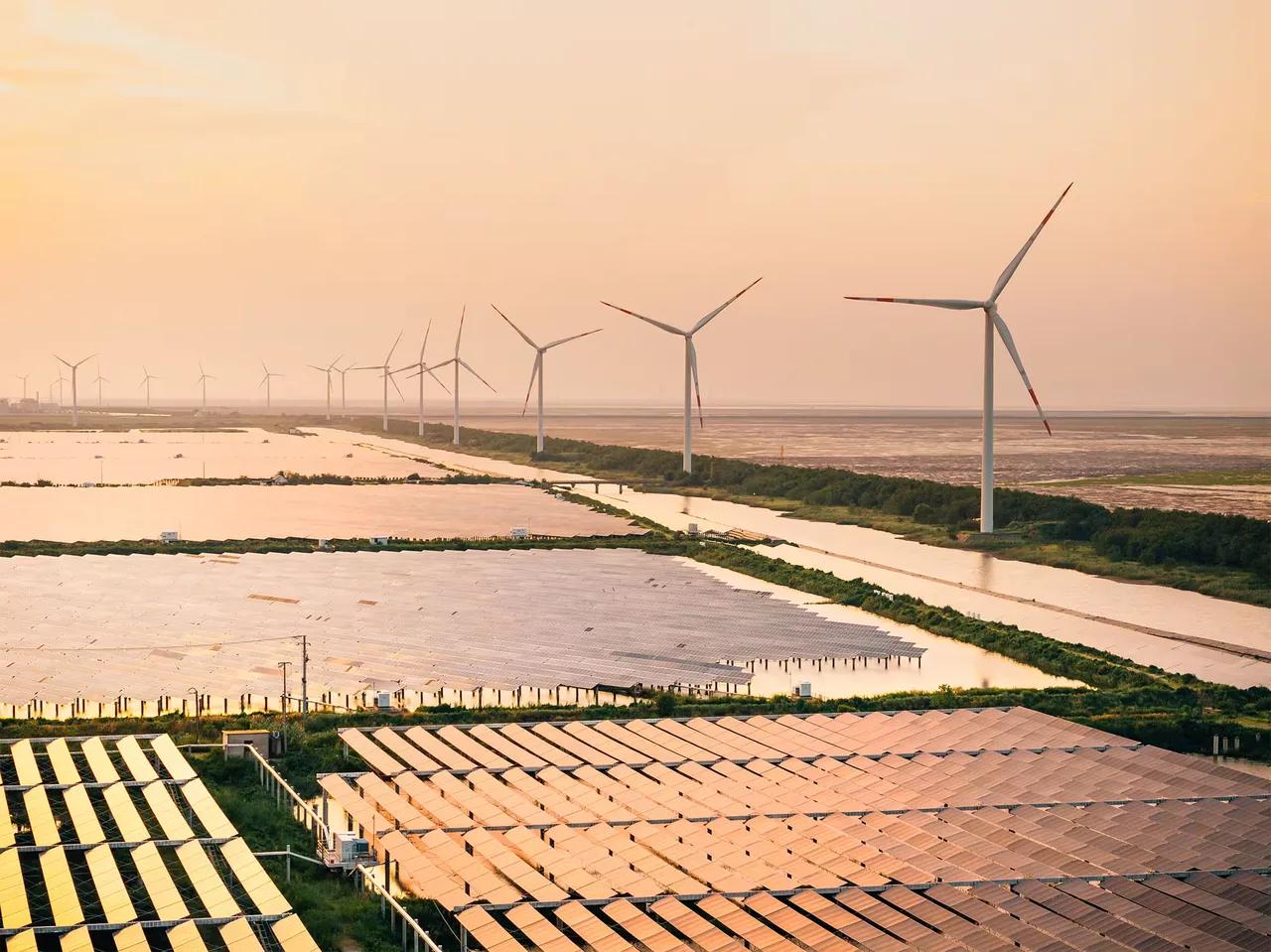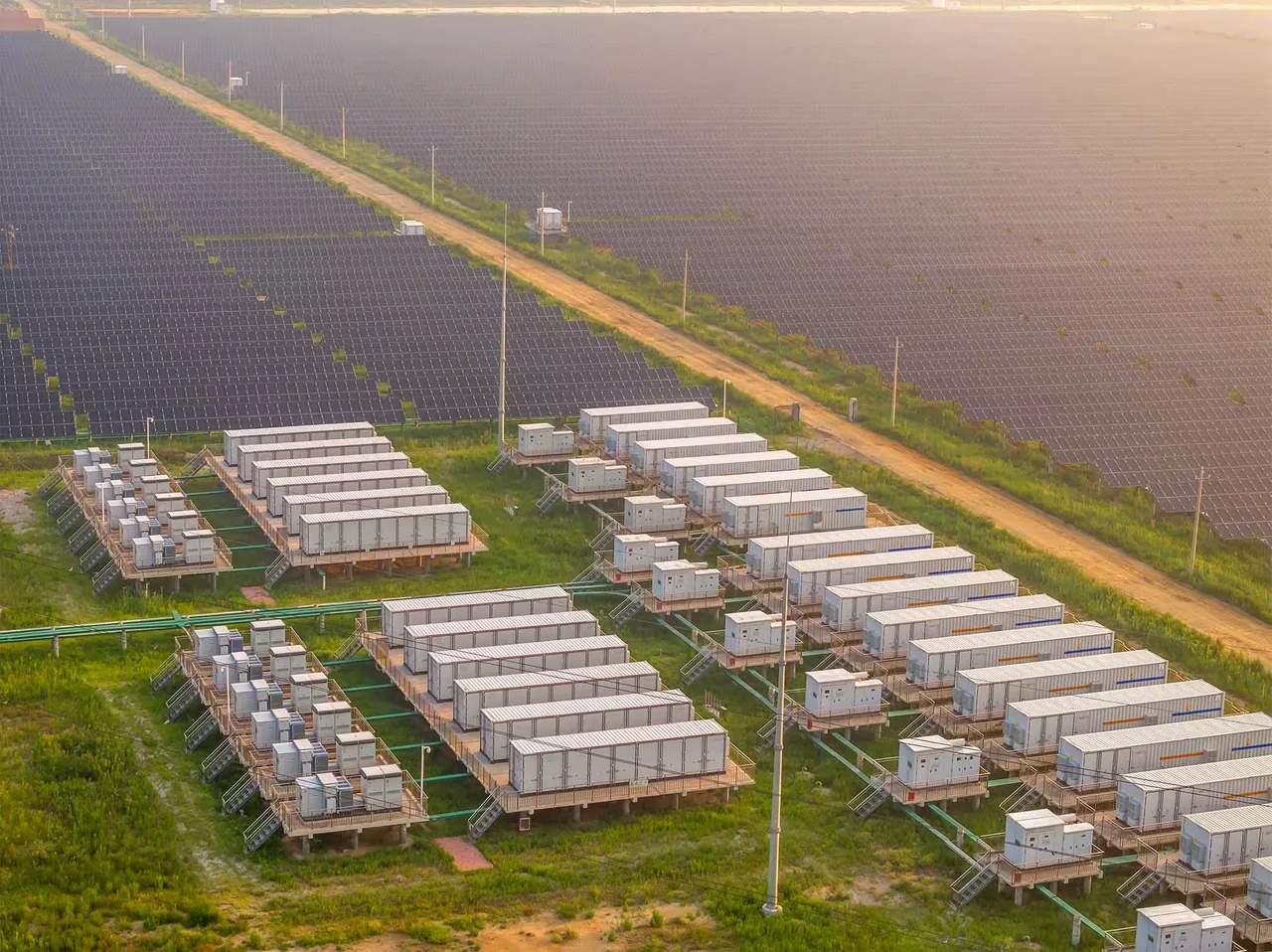
The renewable energy boom is here. Companies are signing record PPAs, and investors are pouring billions of dollars into solar, wind, and battery storage. But renewable energy site operators face a major bottleneck in equipment procurement.
Traditional procurement approaches weren't built for the speed and complexity renewable projects demand. Legacy manufacturers are still working with long equipment lead times of up to one to two years, fragmented supply chains, and zero accountability to developers racing against COD deadlines.
But you know that delayed interconnections mean delayed revenue, and missed deadlines can cost millions. When your equipment vendor flags a procurement issue 35 weeks into the process, you’re stuck explaining to investors why your project is now months behind schedule. But it doesn’t have to be this way.
This post breaks down the top five procurement challenges that hold back renewable deployments and offers practical solutions to overcome them.
Understanding renewable energy procurement in today's market
Renewable energy procurement comes down to securing the right equipment on the right timelines. You need custom transformers, switchboards, and interconnection equipment, and you need it fast enough that your site doesn’t have to sit idle long.
Unfortunately, long lead times are the norm for electrical infrastructure.
These long lead times are a challenge across industries, but renewable energy sites have a few extra considerations.
- Tighter timelines: Developers need to hit commercial operation dates (COD) to capture Investment Tax Credit (ITC) deadlines. If you miss your window, you could lose millions of dollars in incentives.
- Custom specifications for every site: There's no one-size-fits-all for a renewable site build. Each project has unique requirements that demand custom engineering, which takes longer than stock.
- Interconnection queue pressures: Utilities have limited windows to connect new projects. If your equipment isn't ready when your interconnection slot opens, you go to the back of the line.
Classic supply chains aren’t set up to help you solve these problems. Most still haven’t recovered from pandemic-related setbacks, and many manufacturers have become comfortable with the “new normal” of incredibly long lead times.
What’s more, many legacy manufacturers prioritize utility contracts over renewable developers. Your site is competing with regulated utilities that order in bulk and pay on 90-day terms. As a developer, you're often treated like a second-tier customer.
Let’s dig deeper into the specific challenges of renewable energy procurement and how you can overcome them.
Challenge #1: Unpredictable lead times
The first challenge you’ll have to wrestle with concerns lead times. Lead times for energy infrastructure tend to run long, but even worse, they’re unpredictable. It’s not uncommon for a manufacturer to quote a range like 40-60 weeks for a custom transformer. When you’re trying to book an interconnection slot, a 20-week range isn’t super helpful.
Why this happens:
Fragmented supply chains are at the heart of this unpredictability. There are often more than seven vendors between the time your purchase order is placed and the final delivery. Each vendor in the mix adds time, margin, and risk, especially when some of the manufacturing or support is overseas.
How to overcome it:
First, you’ll want to build a procurement buffer into your project schedule. This measure doesn’t fix the long lead times, but it gives you some flexibility around your ITC deadline. If you really want to get around unpredictable lead times, however, you need to look to your suppliers and partners.
Partner with a vertically integrated manufacturer like Giga. We have greater control over our production timelines because we own the engineering, manufacturing, and delivery processes. Plus, having everything under one roof means you get greater clarity and accountability around lead times (and everything else).
Challenge #2: Complex specifications
Every renewable energy site is unique related to everything from voltage levels to environmental conditions. That uniqueness means that generic or stock equipment usually won’t cut it. Custom engineering takes months, and any delays in that engineering process will cascade into procurement delays, setting everything behind schedule.
Why this happens:
Legacy equipment manufacturers aren’t used to building for renewable energy sites. They’re used to building stock equipment for standardized utility specs. Many manufacturers don’t have the in-house expertise to get custom equipment built quickly and properly, so they have to outsource or work through another vendor. This results in communication gaps and a slow, error-prone process.
How to overcome it:
Work with a manufacturer like Giga Energy that specializes in renewable applications. We know how to handle a complex, custom build because it’s our bread and butter. You should also do everything you can to help. Give your manufacturer all your site specs upfront, and be sure to include information such as average temperatures and seismic requirements for your area. The more data you provide to your supplier in the beginning, the fewer revisions you’ll have to deal with later.
Challenge #3: Price volatility
Commodity costs move fast, and almost always up. Your PPA locked you into a fixed price months ago, but your equipment quote is only good for 60 days. By the time you're ready to pull the trigger and order, costs have jumped 15-20% and your profit margins are dwindling.
Why this happens:
You can’t avoid swings in the commodity market, but the longer your procurement cycles are, the more you’ll feel those swings. When it takes 40-60 weeks to get a transformer, you're exposed to nearly a year of price risk between quote and delivery, which is enough to make any developer sweat.
How to overcome it:
Partner with manufacturers that can keep prices more stable and predictable through vertical integration. When you’re not paying markups to half a dozen different middlemen, it’s easier to predict the price you’ll pay (and that price is usually lower).
You can also include cost-escalation clauses in your PPAs. Shift some of the commodity risk to your offtaker, especially on longer-term contracts.
Related read: Electrical transformers: The buyer’s guide to selection, installation, and maintenance
Challenge #4: Quality and reliability concerns
Renewable projects often operate in harsh environments with conditions like offshore wind, desert sun, or high altitudes. Equipment that works fine in a climate-controlled environment can fail much more quickly on a site like yours. If you just go with the cheapest quote, you might find yourself with equipment that isn’t quite up to snuff for your use case.
Why this happens:
Suppliers are under a lot of pressure to deliver the cheapest bid. Offshore manufacturers with inconsistent QA standards sometimes flood the market with low-cost equipment that looks good on paper but hasn't been field-tested for renewable applications.
How to overcome it:
Prioritize manufacturers with proven track records in renewable energy projects. Verify their testing and certifications to ensure their equipment meets your site's standards.
You should also review warranty terms carefully. More comprehensive warranties with stronger technical support options signal that a manufacturer is confident in their product, which is a good sign for you.
Finally, choose American whenever possible. Domestic companies, like Giga Energy, are easier to hold accountable, and you're not dealing with time zone gaps or language barriers if there is a problem down the road.
Challenge #5: Vendor accountability gaps
You send your equipment supplier a message asking about the delivery status on a delayed order. After three days, you still haven’t heard back, so you follow up — still nothing. When someone finally responds, it’s just to tell you to contact the transformer vendor. That contact tells you to reach out to the shipping company, which, in turn, foists you off on the site contractor.
This is what happens when you're working with fragmented supply chains. No single point of contact. No accountability or ownership. And, as a result, nothing gets solved when problems pop up.
Why this happens:
Legacy manufacturers don't have dedicated renewable-focused sales or engineering teams, so your project gets shuffled between generic account reps who don't understand your unique timelines and needs.
How to overcome it:
This is another area where vertical integration is critical. When you have one partner for every step in the procurement process instead of five different vendors, it’s far easier to get a straight answer.
You should also be sure to establish clear communication protocols from day one of your project. Set up regular checkpoints and plans for how you’ll be notified if there's a delay or other challenge.
Renewable energy procurement done right
Most renewable energy procurement problems stem from the same thing: working with vendors that were built for a different era.
Legacy manufacturers designed their operations for utility customers with 18-month lead times and standardized specs. They haven't adapted to the speed, customization, and accountability that renewable developers need.
The solution isn't accepting slower timelines or higher costs as the "new normal." It's finding partners who've rebuilt the supply chain for renewable speed.
Giga Energy delivers electrical infrastructure at industry-leading lead times without compromising on quality or engineering. Build a custom quote or get in touch with our team today to see how we can help you with your renewable energy site project.
.avif?w=1280)
.avif?w=1280)