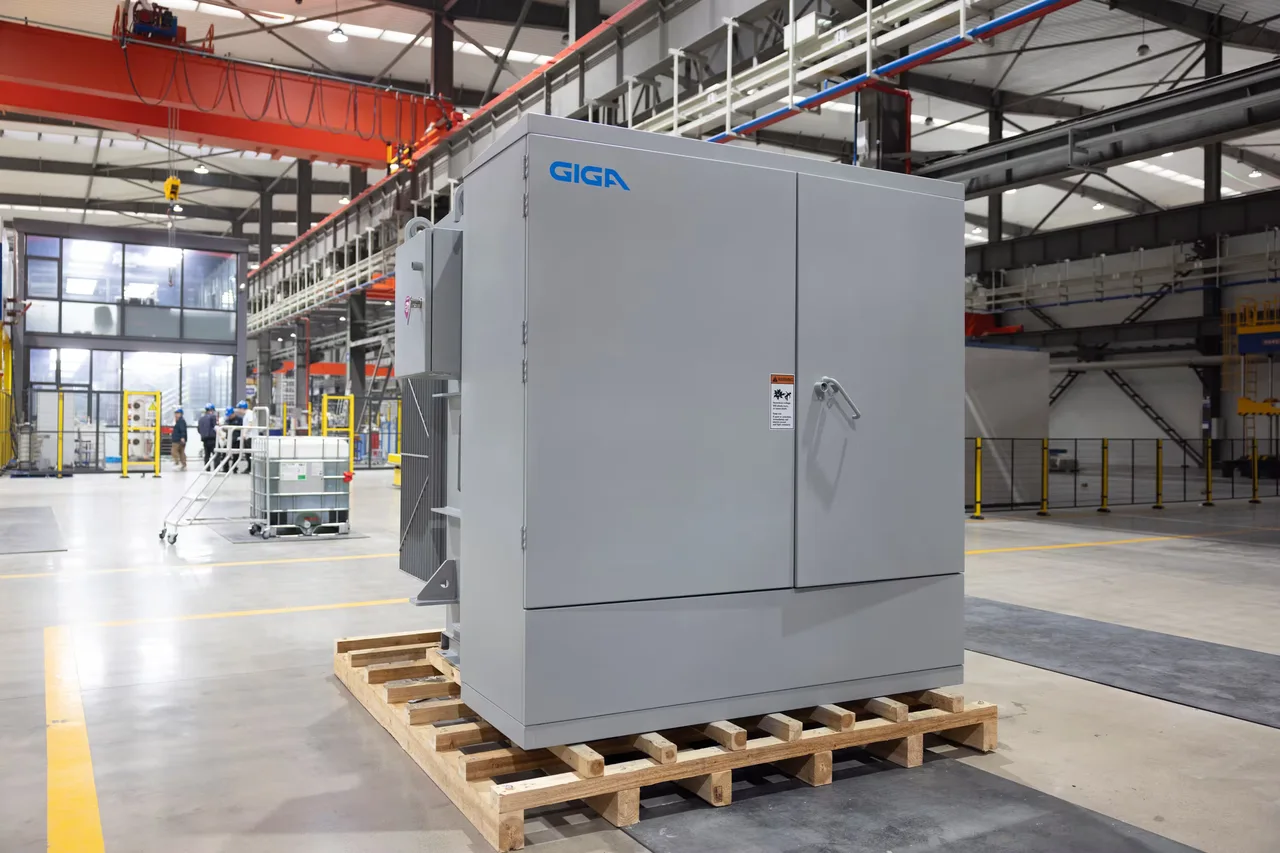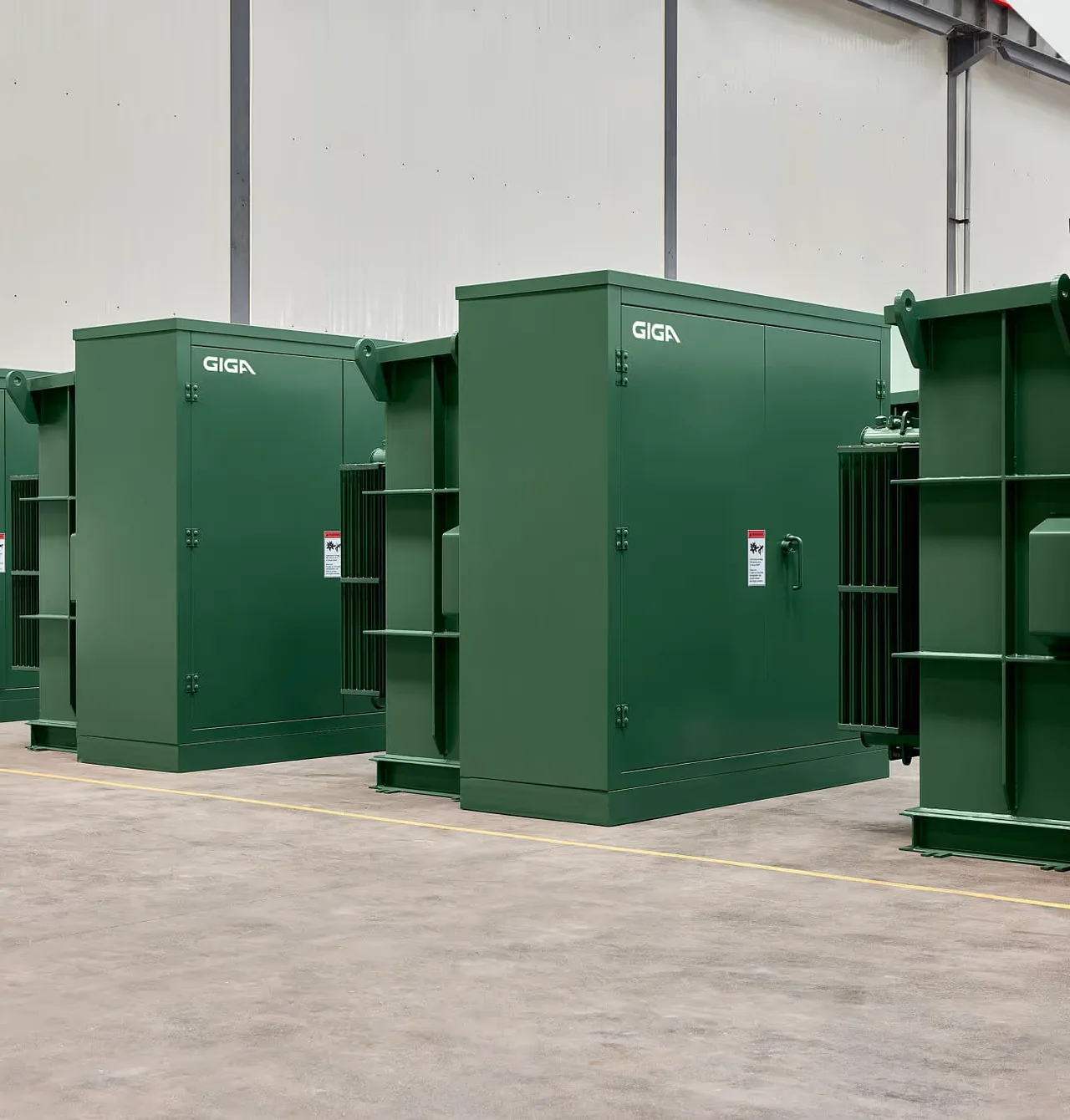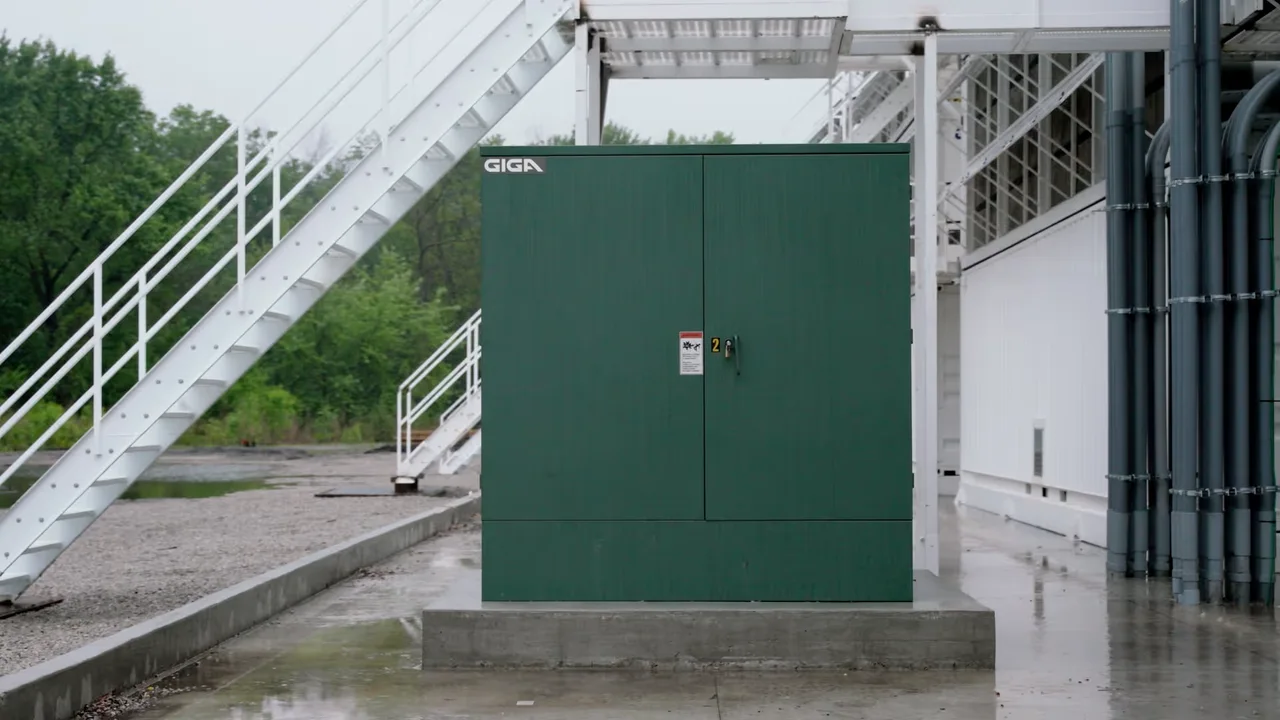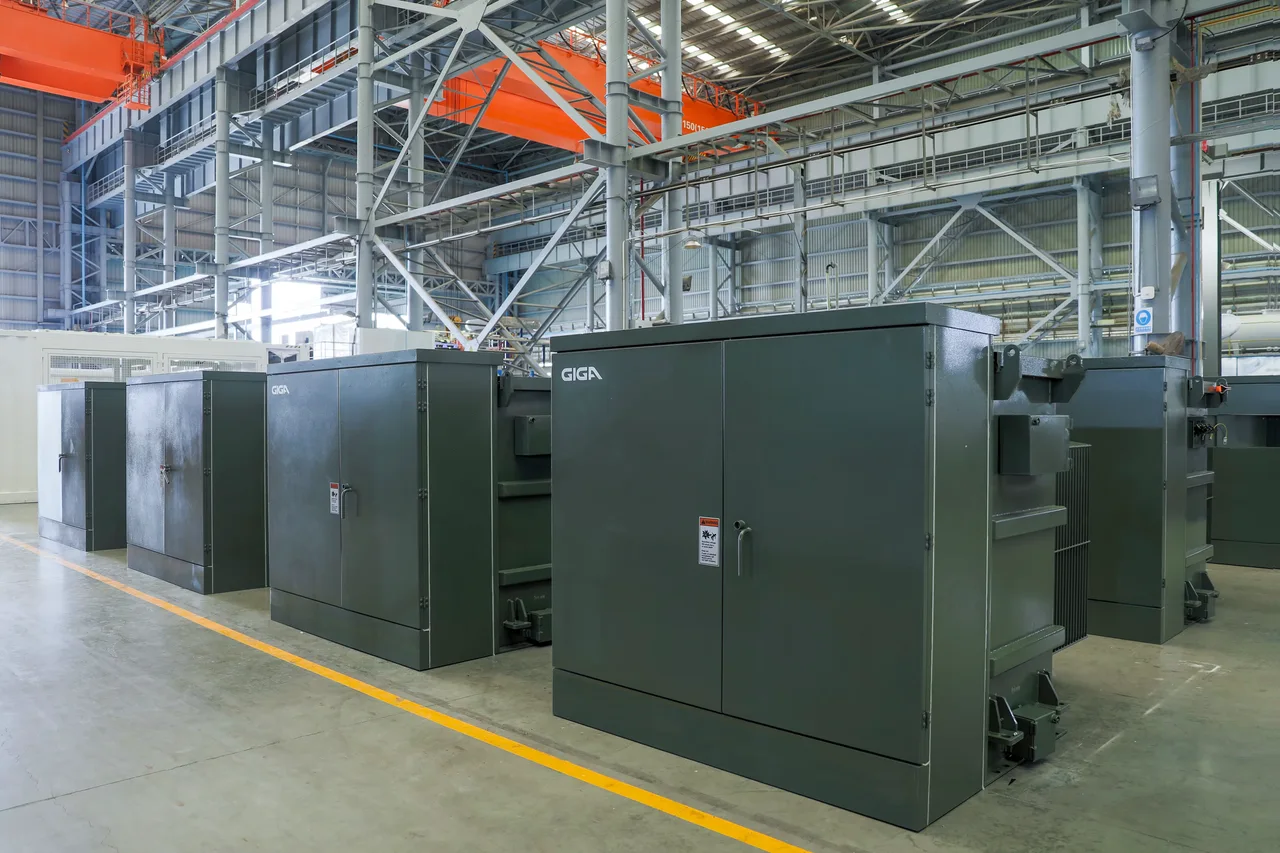
You’ve waited weeks (or longer) for your transformer or switchboard. You have an energization date on the calendar and a crew standing by; the last thing you need now is to find out something is wrong after your new equipment is already on site.
That's exactly what factory acceptance testing (FAT) is designed to prevent. FAT is the process that catches problems while they're still the manufacturer's problem to solve, on the shop floor, with the right tools and the right people, before anything ships.
In this post, we'll cover what FAT actually involves, what a thorough test checks, and why the manufacturer you choose matters as much as the equipment itself.
Already know what you need? Build a quote for your next project.
.avif?w=1280)
What is factory acceptance testing?
Factory acceptance testing is a structured series of tests and inspections conducted at the manufacturer's facility before your equipment ships. FAT verifies that your transformer or switchboard matches what was specified (and that it actually works) before it leaves the shop floor.
Let’s start by discussing the differences between factory acceptance testing and site acceptance testing (SAT).
A SAT happens after delivery and transformer installation, confirming that the equipment performs correctly in its final operating environment. FAT comes first. Generally, factory acceptance testing is the last opportunity to catch a problem while the people who built the equipment are still standing next to it.
That distinction matters because not every manufacturer treats FAT the same way. Some run through it thoroughly. Others rush it or skip it entirely. When they do, the problems don't disappear. They just show up later, on your site, on your timeline, on your budget.
FAT applies across electrical equipment — switchboards, transformers, and the systems that integrate them. Wherever the cost of a field failure is high, a thorough factory acceptance test is how you make sure you're not the one absorbing it.
Read more: Common transformer failures (and how to avoid them)
What does factory acceptance testing check?
Factory acceptance testing, done right, is a methodical review of the equipment across five core areas:
- Physical and visual inspection: Does the as-built equipment match the approved drawings, specs, and nameplate data?
- Component verification: Are the right parts installed, and have they all been installed correctly? This check catches any spec deviations before the equipment leaves the factory.
- Wiring and connection checks: Are inputs and outputs connected per the approved drawings? Is calibration confirmed? This is where the engineer goes line by line to make sure the wiring diagram reflects reality.
- Functional testing: Does the equipment actually perform as designed? This is where the system is powered up and put through its paces under simulated operating conditions to verify that everything trips, measures, and responds the way it's supposed to.
- Documentation review: Are all manuals, as-built drawings, and certifications complete and accurate? The O&M package a customer receives at the end should leave no open questions.
Each checkpoint in the factory acceptance testing process is designed to catch problems when the equipment is in the shop, and the engineer who built it is still in the picture. This makes it much easier to solve any issues caught at this stage.
Who should be involved in a FAT?
Factory acceptance testing works best when the right people from both sides of the process show up.
On the manufacturer's side, that means the engineers and QC personnel who actually built the equipment. They know where the edge cases are, where design decisions were made, and what to watch for when the system gets powered up.
On the customer's side, procurement's role in getting the equipment across the finish line is important, but they're not the ones who should be running the FAT. The people who should be there are the ones who will live with the equipment after it ships: project managers, site engineers, and the operators who will actually run it day to day. Operators notice things that engineers overlook, so they’re more likely to catch an access issue, a labeling problem, or a workflow that doesn't match how the site actually runs.
Documentation is key at this stage, too. Capture anything that comes up during the FAT in a punch list, and ensure everyone knows that nothing moves until the punch list is cleared.
What happens if you skip it (or rush it)?
When a manufacturer rushes through testing (or worse, skips it entirely), the consequence is that equipment gets shipped before the problems are caught and fixed. And once the equipment is on your site, the timeline changes entirely.
An issue that would have taken a few hours to resolve on the shop floor now requires:
- Coordinating specialized field labor without the shop team that built the equipment
- Working in an environment that isn't set up for modifications
- Absorbing the cost yourself, since the equipment already "passed" inspection
- Pushing site readiness, crew scheduling, and energization timelines
That last point is worth sitting with. A delay on one piece of equipment doesn't just delay that piece of equipment. It delays everything downstream.
You’ll be stuck pushing commissioning, leaving crews waiting on site, and pushing back revenue timelines. The compounding cost of a skipped FAT almost always dwarfs what it would have cost to do it right the first time.
This is one part of the process where the difference between vendors becomes most visible. Some manufacturers ship and move on. Then, when something goes wrong in the field, you're on your own. That's not how we operate.
Giga's commitment is one partner from spec to site, and that means the FAT is always conducted carefully and thoroughly, never rushed.
How Giga Energy approaches factory acceptance testing
At Giga, every piece of equipment we manufacture goes through a formal testing series before it gets anywhere near a truck.
Part of what enforces that standard is the compliance requirements tied to our UL listings. Maintaining them means adhering to strict requirements at every stage of manufacturing. Any product on our floor bearing the UL listing has to be ready for scrutiny or an unannounced shop audit at any point. You can't fake it, and we don't try to.
Read more: Understanding UL 891, EUSERC, & Annex G
When the equipment ships, it goes with full documentation in the form of an O&M report. That package includes:
- The FAT results, with a complete record of what was tested and what was confirmed
- Component manuals for every integral part of the build
- As-built drawings that reflect what was actually manufactured, not just what was originally designed
In short, when you work with Giga, you know that you’ve got a partner who owns the build and the test. There's no handoff between a manufacturer and a separate QC vendor, no accountability gap. When something needs to be resolved before shipment, the team that built it is the team that resolves it. Better yet, you're dealing with one partner through the entire process.
That's also how our lead times hold up on the back end, not just the front. Fast delivery means nothing if the equipment fails on first energization. Thorough FAT is part of how we make sure the speed we promise doesn't come at the expense of the quality you need.
Spec equipment you can trust with factory acceptance testing
Factor acceptance testing is far more than just a formality. Your FAT record is the proof that what you ordered is what was built, and that it will perform as expected.
For data center operators, electrical contractors, distributors, and project managers, the cost of getting your specs or build wrong comes in the form of delayed energization, blown schedules, and a very uncomfortable conversation about what went wrong and who's responsible. A thorough FAT is one of the most straightforward ways to take that risk off the table before the equipment ever ships.
Giga builds it right, tests it before it leaves, and hands you the documentation to prove it. One partner. One accountable process. No surprises on site.
Ready to spec equipment you can trust? Build a quote or reach out to the Giga team to talk through your next project.