Energy costs are the lion’s share of every data center’s operating expenses. Most operators view this as the price of doing business; a necessary evil they can try to minimize through efficiency improvements or power purchase agreements.
But what if you could turn it into a revenue stream?
Flexible load data centers can earn $60-80k per MW annually through participation in energy markets. When grid prices spike above compute economics, the grid will pay you to curtail. If you’re running a flexible load data center, you’re already built to turn down on demand.
Are you capturing the value of that flexibility?
Most operators aren't. They're leaving millions on the table by treating electricity purely as a cost center, unaware that wholesale energy markets now offer accessible pathways to monetize downtime, reduce net energy costs, and improve overall facility economics.
This post shows you how to transform your data center's profit margins without compromising uptime. By the end, you'll understand precisely how flexible load operators are earning two to three times what generic demand response programs deliver.
Understanding data center profit margins in the era of grid flexibility
Traditional flexible load operations generate income from a single source: compute output. Regardless of your specific application, the business model has been straightforward: maximize uptime, minimize cost, and hope the underlying commodity price trends in your favor.
But that model leaves millions of dollars on the table. Because while you're running 24/7 to capture every possible compute cycle, the grid is willing to pay you substantial sums for something you already have: the ability to turn down on demand.
Unlike hospitals, manufacturing plants, or commercial buildings, flexible load data centers can curtail operations without disrupting critical services or breaching customer contracts. When grid prices spike, your facility's flexibility becomes extraordinarily valuable.
Read more: Key considerations when choosing data centers for bitcoin mining
The economics are simple: when the grid values your megawatt hours more than the bitcoin network does, you should sell power instead of consuming it.
This is where wholesale energy markets come in. Flexible load operators can now participate directly in the same markets that utilities and large industrial players have accessed for decades through three main revenue streams:
- Demand response programs that pay you for capacity availability and curtailment events.
- Ancillary services that compensate you for providing operating reserves to stabilize the grid.
- Day-ahead energy markets where you can bid load reduction during high-price intervals.
Until recently, accessing these markets was complicated. Most operators ended up sidelined by overly complex registration processes, regulatory requirements, and expensive telemetry infrastructure required to meet ISO standards.
All that has changed, now. Platforms offer enrollment, dispatch, and settlement as a turnkey service, and markets like SPP (Southwest Power Pool) are fully accessible to flexible load data centers. And the timing couldn't be better. Grid constraints are tightening as AI-driven load growth accelerates, creating a premium for facilities that can respond quickly and reliably.
3 key strategies for maximizing data center profit margins
Strategy #1: Monetize downtime through intelligent market participation
The first strategy for maximizing data center profit margins is straightforward: participate directly in wholesale energy markets.
We know what you're thinking; demand response programs aren't designed for operations like yours. And you're right. Most weren't.
Traditional DR programs were built for hospitals that need advance notice to fire up backup generators, or manufacturing plants that work on set production schedules. These programs treat curtailment as an emergency on-off switch, activated a few times per year when the grid is stressed.
That approach doesn't work for flexible load data centers. Your economics are fundamentally different. You're making real-time decisions based on hash price fluctuations or uptime SLAs with hosting customers. You need a system that can determine on the fly when it makes financial sense to curtail, and when it doesn’t, not a static schedule set weeks in advance.
What you need is a platform designed specifically for flexible-load operations. They integrate with your operations in real time, comparing grid prices against your breakeven thresholds and automatically dispatching when the math works in your favor.
Instead of curtailing on a fixed schedule, these systems allow you to optimize hour by hour, helping you capture the highest-value intervals without hurting your profits or violating your uptime commitments. You can manage this by taking advantage of a few different revenue streams:
- Demand response programs pay for capacity availability and curtailment events.
- Ancillary services (spinning reserves, non-spinning reserves, regulation) earn revenue for your ability to respond quickly when the grid needs it.
- Day-ahead energy markets let you bid load reduction during high-price intervals, selling back power when it's worth more than your compute output.
When you take a dynamic approach, your optimization efforts will deliver results that static programs can’t even get close to matching.
The key difference is the dispatch logic designed by operators who understand your priorities. Smart systems balance grid revenue against operational needs, using automated rules tied to your SLA commitments and hosting agreements.
If curtailing puts you at risk of breaching a customer contract or missing a profitability target, the system won't dispatch. Your core business stays protected while you capture upside when it's available.
Real Revenue Breakdown: 50 MW Facility Example
A 50 MW flexible load facility operating without market participation earns revenue exclusively from compute operations.
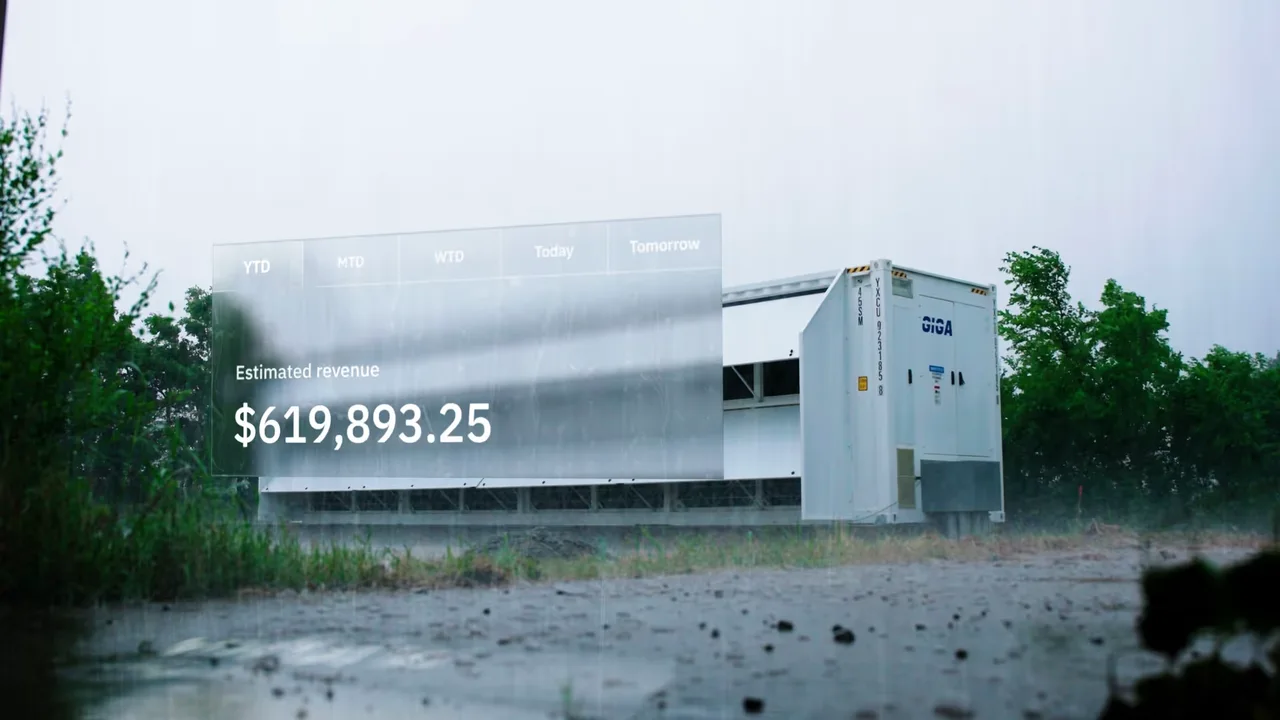
Add optimized demand response enrollment, ancillary services, and day-ahead market participation, and that same facility can generate approximately $3.25 million in additional gross annual revenue (calculated at an average of $65,000 per MW).
Strategy #2: Reduce capital costs through integrated infrastructure planning
Another way to maximize data center profit margins is to plan your infrastructure so you spend less upfront while still positioning your facility to capture maximum revenue.
Most operators approach infrastructure procurement the traditional way, partnering with one vendor for transformers, another for switchgear, a third for cooling systems, a separate DR aggregator for market participation, and finally, an engineering firm to fit it all together. When you source your infrastructure in this way, each vendor is incentivized to optimize for their own deliverables.
The hidden costs of this fragmented approach add up fast:
- Project delays when equipment from different suppliers doesn't integrate cleanly.
- Compatibility issues that force engineering changes or expensive workarounds.
- Finger-pointing where no single vendor wants to fess up when something goes wrong.
- Duplicated telemetry costs, because your DR aggregator needs a different monitoring infrastructure than your equipment suppliers provide.
Worst of all, you have zero procurement leverage with this approach, because you’re buying transformers from one company and optimization services from another. What’s more, you’ll struggle to participate effectively in energy markets with this approach.
Market participation has specific technical requirements that need to be built into infrastructure from day one. You’ll need telemetry infrastructure that meets ISO standards, rapid response capabilities for five-minute dispatch windows, and monitoring systems that meet your operation’s needs and the grid operator’s requirements.
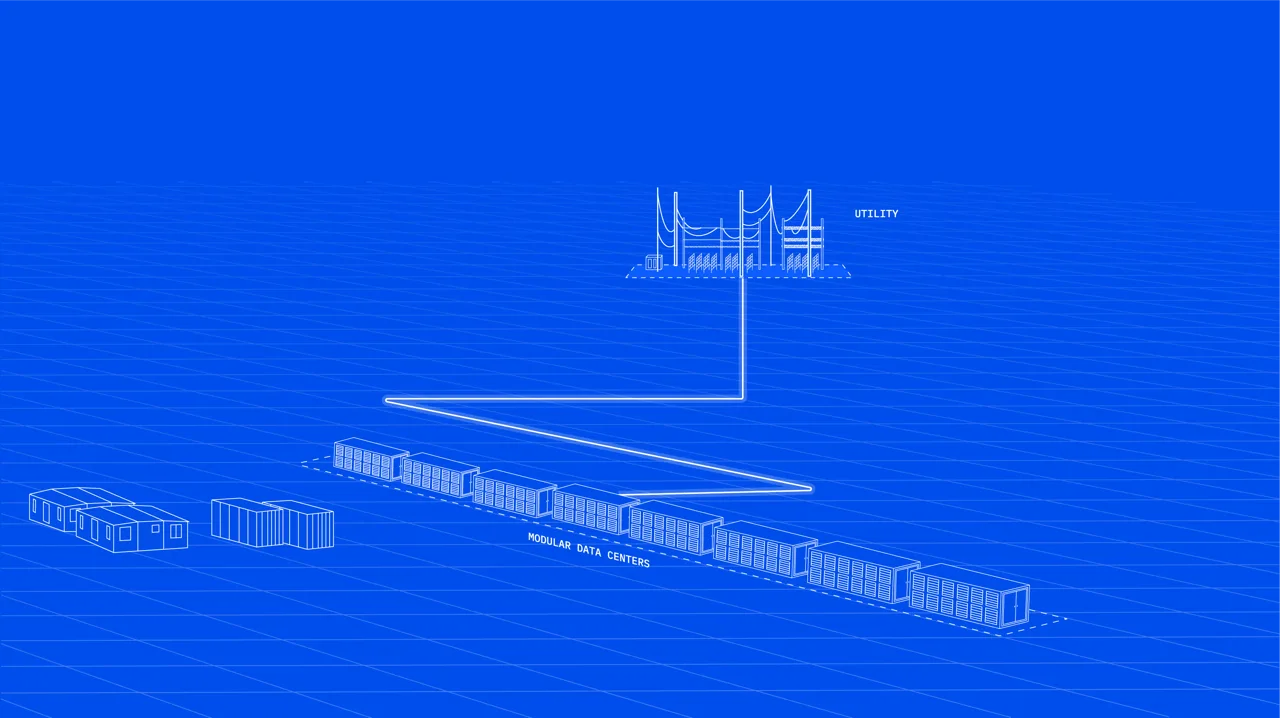
When you take an integrated approach to infrastructure procurement, you flip the economics. Instead of managing multiple vendors through separate timelines, you can deploy in a faster, integrated manner. You can energize sites and enroll in markets weeks or months earlier than you would be able to using a classic, fragmented approach. Lower upfront CAPEX plus higher ongoing revenue creates compounding ROI that starts building the second your site comes online.
Strategy #3: Leverage real-time data and self-service operations
The third strategy for maximizing data center profit margins is about control. More specifically, about having direct visibility into your market participation performance data in real time.
Traditional demand response aggregators operate on a monthly reporting cadence. You curtail when they tell you to, receive a settlement statement 60-90 days later, and hope the numbers match your expectations.
This approach means that if something doesn’t add up, you have to troubleshoot reactively. You’re always running a month or more behind real time, and if you want to adjust your strategy, you need to ask your aggregator to make changes and wait to see if they follow through. This approach might work for legacy demand response operations like hospitals, but when your energy market participation can represent millions in annual revenue for your business, that kind of reactivity doesn’t cut it.
Instead, you need a different, more nimble approach:
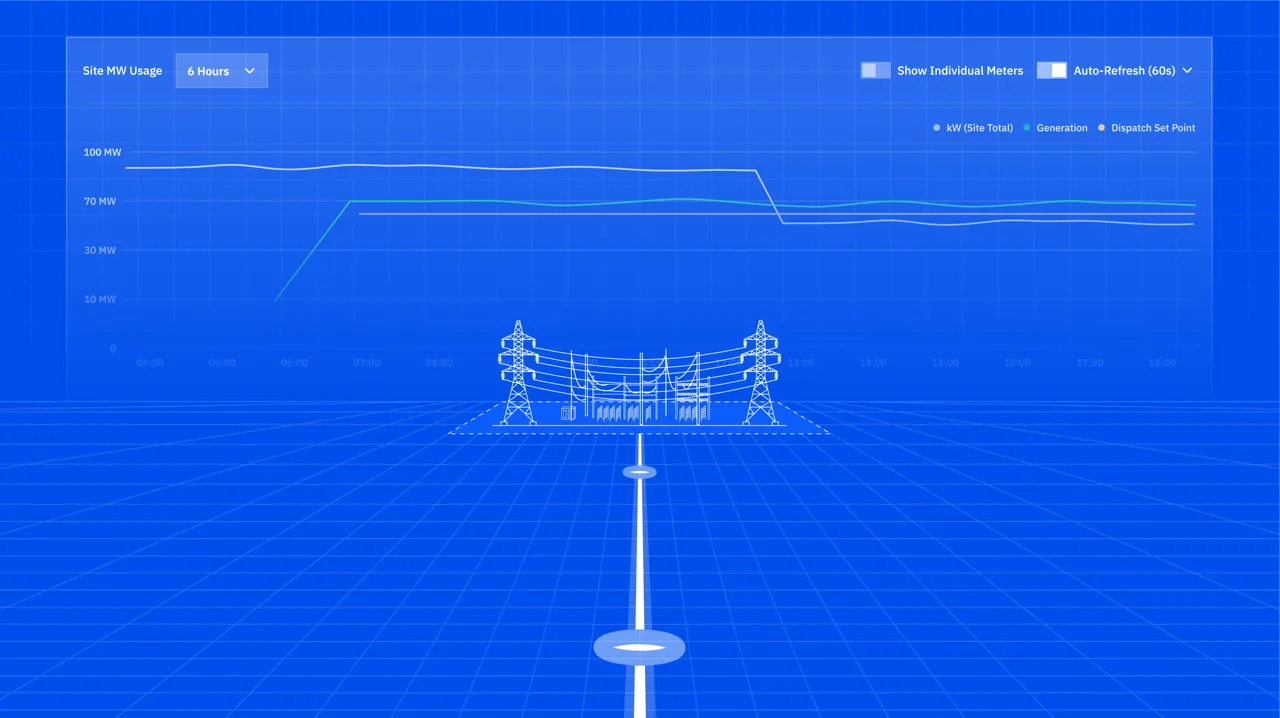
- Real-time dashboard access to energy costs, market prices, and dispatch schedules
- Immediate visibility into settlement status
- Self-service tools to make adjustments to offers, operations changes, and availability directly on the GPS platform
When you have daily visibility into how your energy market participation is performing, you can operate more efficiently. Instead of reactive troubleshooting, you can make proactive adjustments to your parameters as needed.
How can you ensure you’re working with a partner who can give you this real-time control and visibility? You’ll want to look for specific details:
- Integration with miner management software and compute workload schedulers
- Automated curtailment responses that respect your uptime SLAs and hosting agreements
- Breakeven calculation tools that compare real-time grid prices against hash price
Generic industrial DR platforms miss this entirely, so your best bet is to work with a team that runs its own flexible load sites. These partners are more likely to build the features that actually matter for data centers like yours.
On the other side, a more generic DR platform is optimized for factories and hospitals. They don't understand site-level economics, compute workload priorities, or why a 5% difference in uptime might breach a customer contract.
Another consideration is settlement speed. A traditional aggregator operates on a 60-90 day payment cycle. An optimized system built for flexible loads like Giga, on the other hand, can settle in half the time. To put this into perspective, if your facility generates $3 million in annual DR revenue, that difference means having an extra $250,000 to $500,000 in working capital on hand at any given time.
Read more: Faster lead times and better support led Satokie Mining to choose Giga mining containers
Next steps for maximizing data center profit margins
If you want to maximize your data center profit margins, your best bet is to get started with energy market participation. The right program can deliver $60,000 to $80,000 per MW annually, but how can you find the right program for your facility?
The difference between the right program and a generic demand response program comes down to three specifics: their ability to factor in site-level economics, integrated hardware and software offerings, and access to real-time data and control.
Not all market participation partners are built the same. Before you commit, you’ll want to ask the right questions to ensure you’re picking a partner with the experience and infrastructure you need.
- Do they operate their own flexible load sites, or just aggregate others'? Operators who run their own facilities understand the economics you're balancing far better than any aggregator.
- Can they provide both equipment and market participation, or just software? The more you can integrate your process, the faster you’ll start earning revenue.
- Do they offer self-service dashboards or make you wait for monthly reports? Transparency is key. If a provider just offers monthly reports, you’ll want to keep looking.
Giga Power Systems helps flexible load operators earn $60-80k per MW per year through full-market participation in SPP. Our platform uses all our technical know-how, plus the demand response strategies we use across our own sites. The result is faster payback and higher margins without compromising uptime.
Ready to see what your facility could earn? Schedule a consultation with our team to learn more and calculate your revenue potential.
.avif?w=1280)